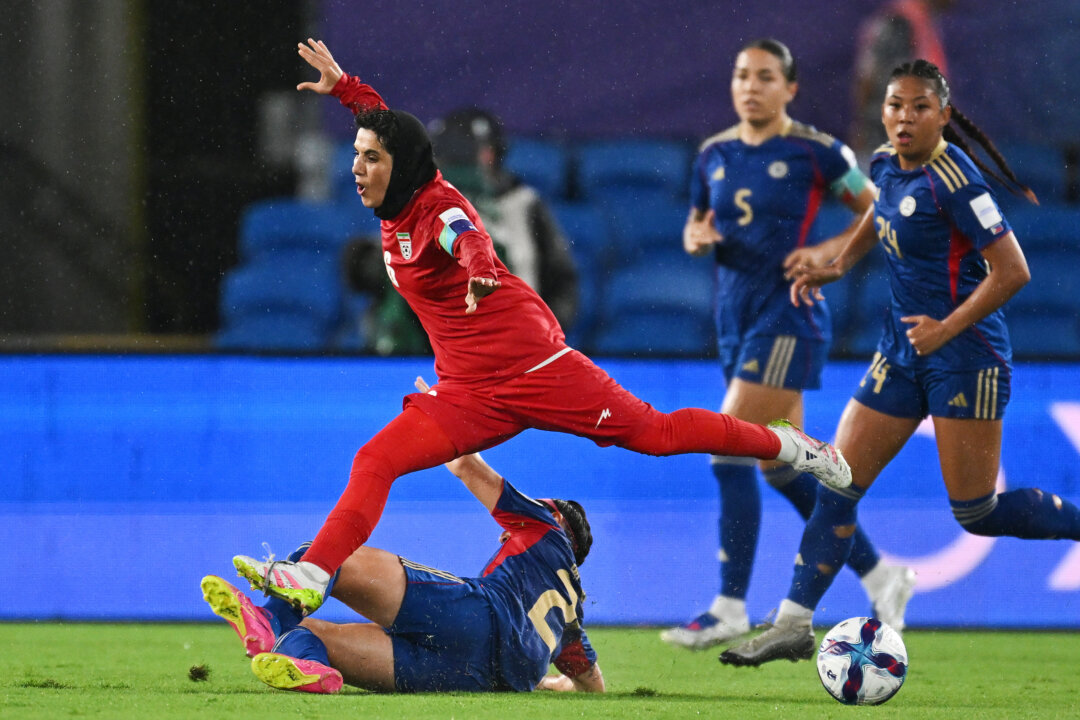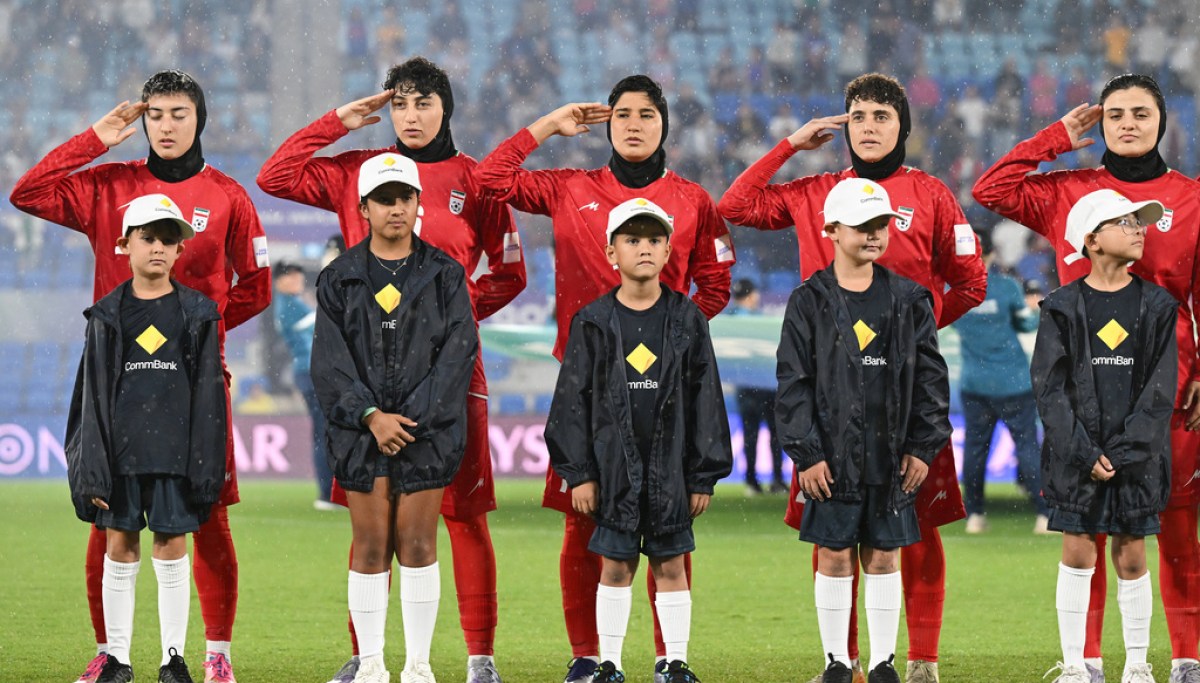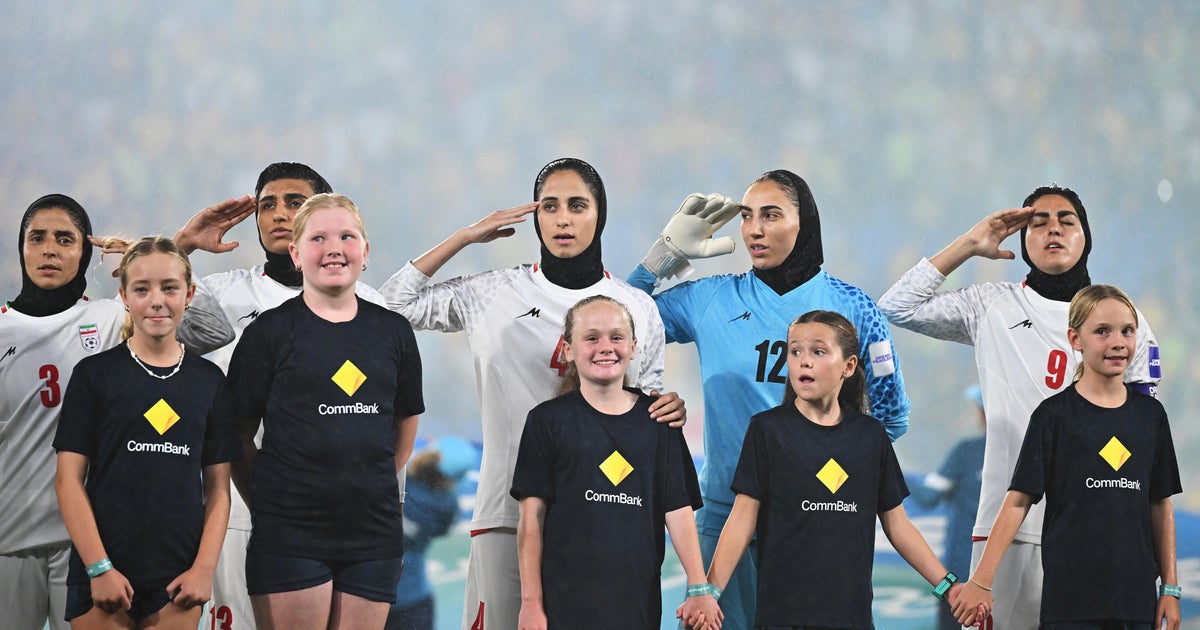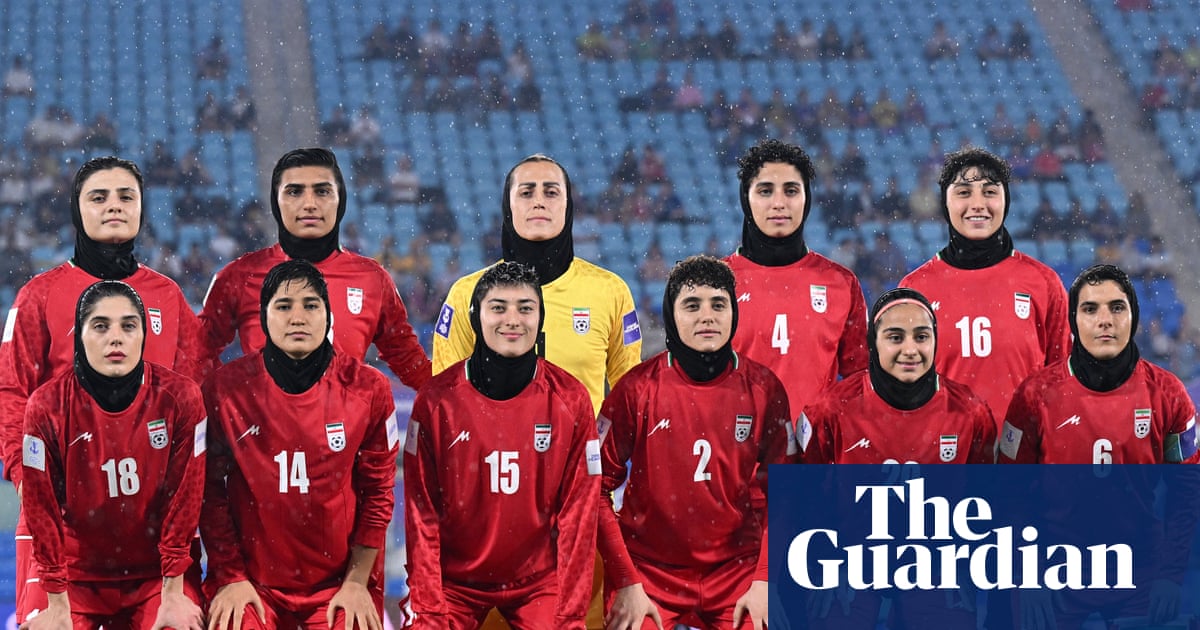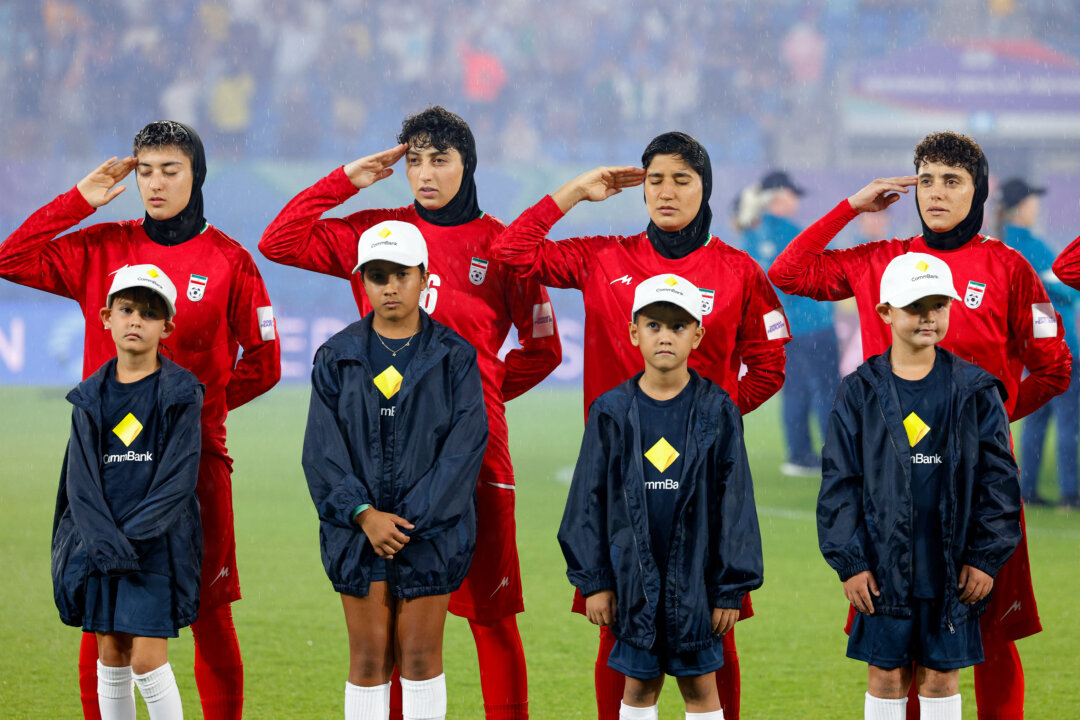





Five to seven members of Iran’s women’s national soccer team who were in Australia for the AFC Women’s Asian Cup sought protection after refusing to sing the Iranian national anthem before a match, a gesture widely described as a silent protest against the Tehran regime. Both liberal and conservative outlets agree that at least five players initially fled their team hotel and have now been granted temporary humanitarian visas by Australia, with two more later approved before remaining teammates departed; coverage on both sides notes that Australian Home Affairs Minister Tony Burke confirmed the asylum decisions and that Australian federal authorities moved the players to a secure location amid credible threats and hostile rhetoric from Iranian state media labeling them traitors.
Across the spectrum, reports emphasize that the players feared persecution or serious harm if forced to return to Iran, particularly because of the intersection of women’s rights, dissent, and Iran’s political climate. Liberal and conservative sources alike highlight that the Australian government coordinated with police and security agencies, that human rights and Iranian diaspora groups pressed Canberra to act, and that international political figures—including exiled opposition leader Reza Pahlavi and foreign leaders such as Donald Trump—publicly framed the case as emblematic of broader repression in Iran. There is common framing of the asylum as a test of international commitments to protect dissidents and women athletes, rather than merely a sports story.
Areas of disagreement
Framing of the protest and repression. Liberal-aligned outlets foreground the players’ refusal to sing the anthem as a human rights and women’s rights stand against a repressive theocratic regime, often linking it to wider Iranian protest movements. Conservative outlets also describe the refusal as a protest but tend to stress how Iranian state media branded the women traitors in wartime, casting the story in more overtly anti-regime and security terms. Liberals more often discuss systemic gender discrimination and past crackdowns on women athletes, while conservatives more frequently use the incident to underline the brutality of the Islamic Republic and the stakes of siding with Western allies.
Role of political leaders. Liberal coverage mentions Donald Trump’s involvement but usually as a secondary element, emphasizing that Australia—not the United States—is making the legal decisions and actually housing the players. Conservative coverage, by contrast, heavily features Trump’s statements, calls with Australia’s prime minister, and his offer of potential U.S. asylum, presenting him as an active defender of the athletes. Liberal sources highlight the Albanese government’s process and institutional decision-making, whereas conservative outlets frame the episode as a stage for strong leadership and Western solidarity spearheaded by Trump.
Emphasis on Australian institutions versus international politics. Liberal outlets concentrate on Australian immigration law, humanitarian visa procedures, and the role of Australian police and security agencies in relocating and protecting the women. Conservative outlets acknowledge these mechanisms but devote more attention to the international diplomatic angle, including U.S.–Australia coordination and what the case signals about Western resolve against Iran. The liberal narrative is more about asylum norms and domestic governance, while the conservative narrative uses those same facts to build a broader geopolitical story.
Future risks and broader implications. Liberal coverage tends to dwell on long-term safety concerns for the players, potential reprisals against their families in Iran, and what this means for future Iranian athletes who may defect. Conservative coverage more often extrapolates to questions about how the West should respond to Iranian aggression and support defectors as symbols of resistance, sometimes raising the possibility of further asylum offers from allied countries. Both see symbolic importance in the case, but liberals stress protection and precedent in refugee policy, while conservatives stress deterrence of Iran and affirmation of Western values.
In summary, liberal coverage tends to frame the asylum decision primarily as a human rights and women’s rights victory driven by Australian institutions and legal obligations, while conservative coverage tends to spotlight the episode as a geopolitical and moral showdown with the Iranian regime in which assertive Western leaders—especially Donald Trump—play a central role.
Story coverage