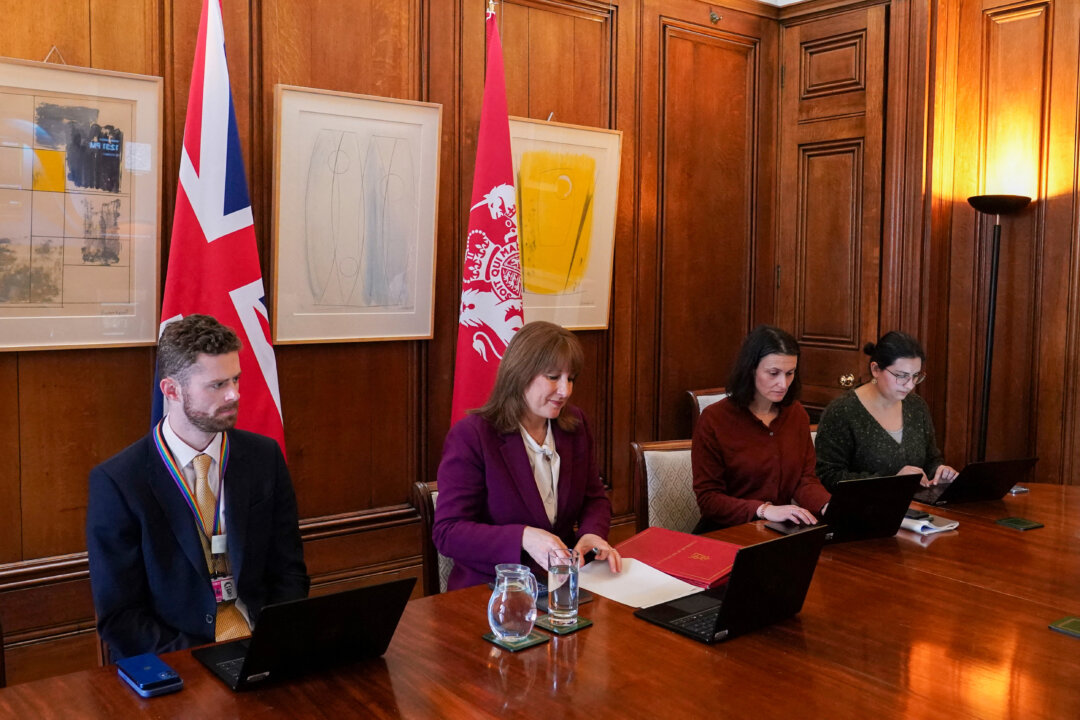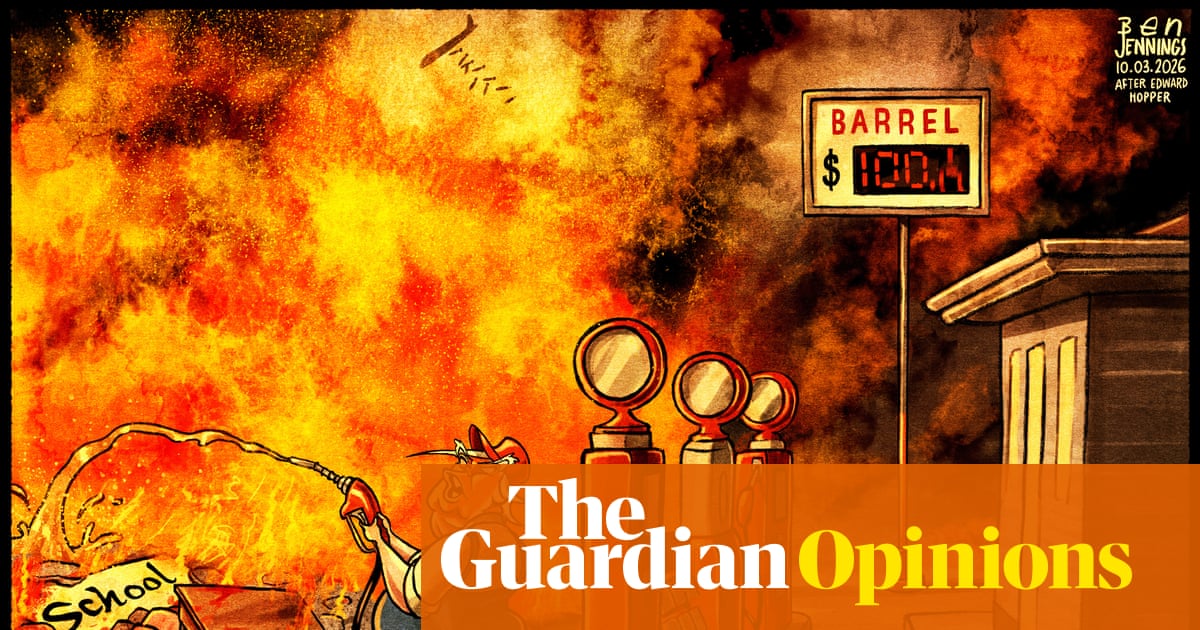


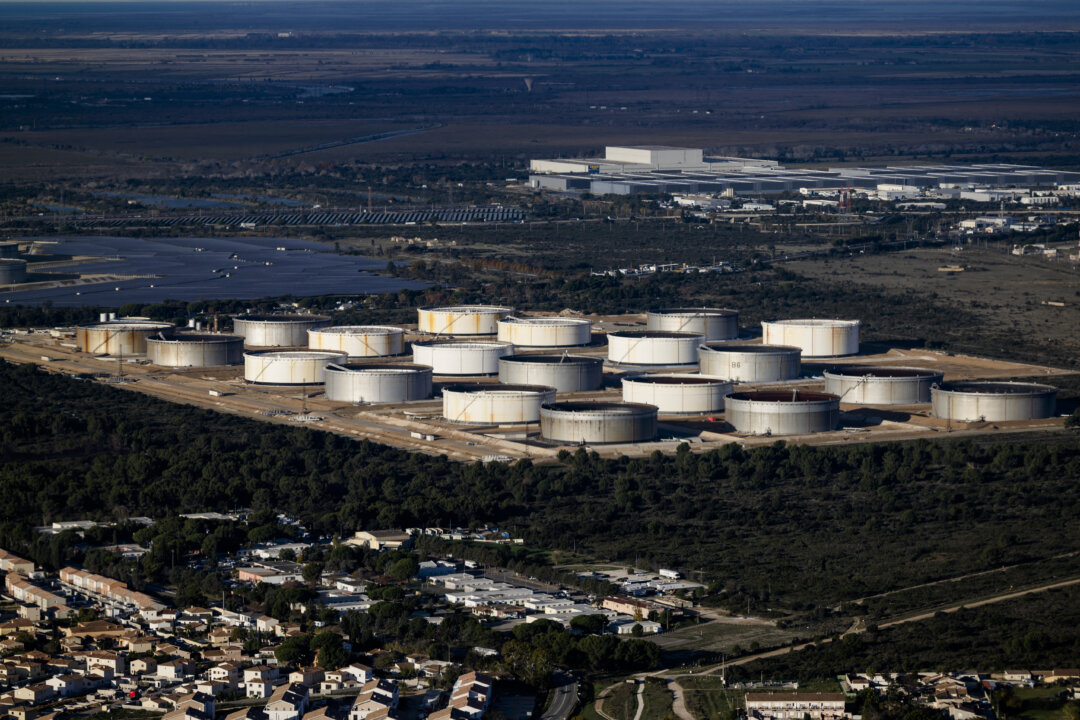
Energy and finance ministers from the Group of Seven countries have held emergency virtual meetings as oil prices surged past $100 per barrel, with some reports noting an intraday jump of about 25 percent to the highest levels since mid‑2022. Both liberal and conservative coverage agree that the immediate trigger is the Iran war and associated U.S.–Iran conflict, which has disrupted flows through the Strait of Hormuz, a vital chokepoint for global crude supplies. All sides report that G7 finance ministers met first and discussed but did not immediately decide on a coordinated release of strategic oil reserves, while G7 energy ministers are also convening to weigh options. They concur that the United States has floated a substantial possible release on the order of several hundred million barrels, that markets have reacted with sharp selloffs alongside the price spike, and that the G7 has pledged to use available tools, including possible stockpile drawdowns, to stabilize energy markets.
Across outlets, coverage situates the situation within the broader framework of global energy security, emphasizing the centrality of the Strait of Hormuz and the limited spare production capacity among major oil exporters. Both liberal and conservative sources note parallels being drawn to previous energy shocks, including comparisons to the crises of the 1970s, as policymakers confront the risk that prolonged disruptions could fuel inflation, slow growth, and deepen market volatility. There is shared attention to the institutional role of the G7 as a coordinating forum for crisis response, the use of strategic petroleum reserves as a key policy lever, and the political stakes for leaders—particularly the U.S. president—who are under pressure to mitigate economic fallout. Coverage also acknowledges that any decision on reserve releases must balance immediate price relief against longer‑term supply security and the finite nature of emergency stockpiles.
Areas of disagreement
Responsibility and blame. Liberal-aligned sources more often frame the price spike as a structural vulnerability of fossil-fuel dependence and a predictable consequence of escalating conflict with Iran, sometimes implying that aggressive U.S. policy choices helped create the conditions for crisis. Conservative outlets more sharply personalize responsibility, tying the surge directly to President Trump’s handling of the Iran war and portraying it as a test of his economic management. While liberals lean toward a systems-level critique of global energy and security policy, conservatives emphasize executive decision-making and the administration’s tactical missteps.
Policy response and reserves. Liberal coverage stresses the urgency of a coordinated G7 response and tends to treat a large, rapid release of 300–400 million barrels from strategic reserves as a likely or necessary step given the “historic” scale of the disruption and lack of spare capacity elsewhere. Conservative coverage, by contrast, highlights that G7 ministers have so far held off or even “ruled against” an immediate joint release, casting caution as prudent stewardship of finite emergency stocks and market discipline. Where liberals focus on the need for decisive intervention to shield consumers and stabilize markets, conservatives warn against panic moves that could exhaust reserves without addressing deeper supply issues.
Framing of the crisis. Liberal-oriented reports tend to portray the situation as an energy shock exposing long-running vulnerabilities, sometimes tying it to calls for diversification, transition away from oil, and strengthened multilateral cooperation. Conservative outlets more often frame it as a severe but familiar energy crisis akin to the 1970s, emphasizing price pain, market fallout, and the need for robust national energy policy rather than structural transformation. Liberals fold the episode into a broader narrative about global economic sensitivity to conflict and fossil fuels, whereas conservatives situate it within a story of geopolitical confrontation, security threats, and the need for assertive leadership.
Political and human-rights sidebars. Liberal-aligned coverage gives limited attention to side developments, focusing mostly on markets and G7 deliberations, while conservative sources more prominently feature associated political and security angles, such as Trump’s request for asylum for Iran’s women’s soccer team and an ISIS-inspired terrorism investigation in New York. Conservatives use these stories to underscore the broader human-rights and security dimensions of the Iran conflict and its ripple effects, while liberals largely keep the lens on economic governance and energy policy. This leads conservative pieces to feel more like a package of interlinked crises, while liberal pieces remain narrower and more technocratic in scope.
In summary, liberal coverage tends to emphasize structural energy vulnerabilities, multilateral policy tools, and the need for decisive, coordinated reserve releases within a broader critique of fossil-fuel dependence, while conservative coverage tends to stress presidential responsibility, caution on tapping reserves, analogies to past energy crises, and the broader security and political stakes surrounding the Iran conflict.