

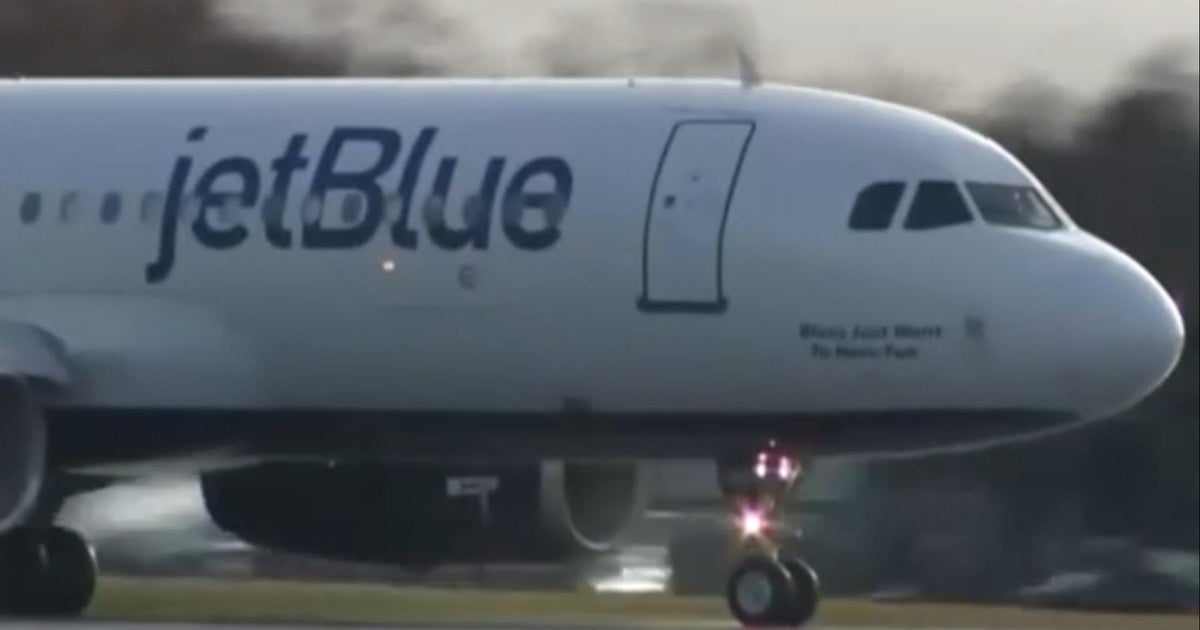
JetBlue experienced a brief nationwide ground stop early Tuesday affecting its flights across the United States, initiated after the airline requested that the Federal Aviation Administration temporarily halt its operations. Both liberal and conservative outlets agree that the pause stemmed from an internal JetBlue IT or system issue, that the FAA implemented the stop at JetBlue’s request and later lifted it once the technical problem was resolved, and that normal operations resumed afterward, though some delays and potential cancellations lingered. Coverage on both sides characterizes the event as short-lived and largely contained, with no reports of safety incidents or long-term disruptions.
Across the spectrum, outlets situate the incident within the broader framework of airline operational reliability, federal oversight of air traffic, and the growing dependence of carriers on complex IT systems. Both liberal and conservative reporting note that the FAA’s role is procedural and responsive when a carrier requests a ground stop, and they highlight that this kind of pause is a standard tool to prevent wider chaos when a carrier’s internal systems malfunction. There is shared acknowledgment that the precise share of delays attributable specifically to the ground stop, as opposed to cascade effects or preexisting schedule pressures, remains unclear, and that more detailed operational data from JetBlue would be needed to fully quantify the impact.
Areas of disagreement
Framing of responsibility. Liberal-leaning outlets tend to frame the incident as a JetBlue-specific internal IT failure that triggered a precautionary ground stop, with the FAA acting as a neutral facilitator responding to the airline’s request. Conservative outlets more explicitly foreground the FAA’s role by leading with language that the FAA grounded all JetBlue flights, even while acknowledging this was at the airline’s request. This difference subtly shifts perceived responsibility, with liberal coverage emphasizing corporate system vulnerability and conservative coverage making the federal action more salient in the narrative.
Regulatory emphasis. Liberal sources more often place the episode within ongoing discussions about airline reliability, consumer protection, and the need for robust technical and regulatory safeguards to minimize disruption. Conservative outlets, while noting the procedural role of the FAA, give less emphasis to regulatory reform or passenger-rights angles and focus more on the basic what-happened chronology. As a result, liberal coverage can read as a prompt for examining systemic resilience and oversight, whereas conservative reporting tends to treat it as a discrete operational event with limited policy implications.
Severity and impact characterization. Liberal-leaning coverage highlights that the ground stop was brief and quickly lifted, and notes uncertainty over how many delays or cancellations were actually caused by this specific halt versus other factors, which somewhat downplays the scale of the crisis. Conservative outlets likewise acknowledge the short duration but use stronger language around “all JetBlue flights” being grounded, which can leave a stronger impression of severity even if the disruption window was narrow. This leads to liberal narratives that emphasize containment and limited fallout, while conservative narratives underscore the dramatic nature of a nationwide grounding, if only for a short time.
In summary, liberal coverage tends to cast the JetBlue ground stop primarily as a contained internal IT issue that triggered standard FAA procedures and invites questions about airline tech reliability, while conservative coverage tends to spotlight the fact that the FAA formally grounded all JetBlue flights at the airline’s request and to present the event more as a notable but self-contained operational disruption.
