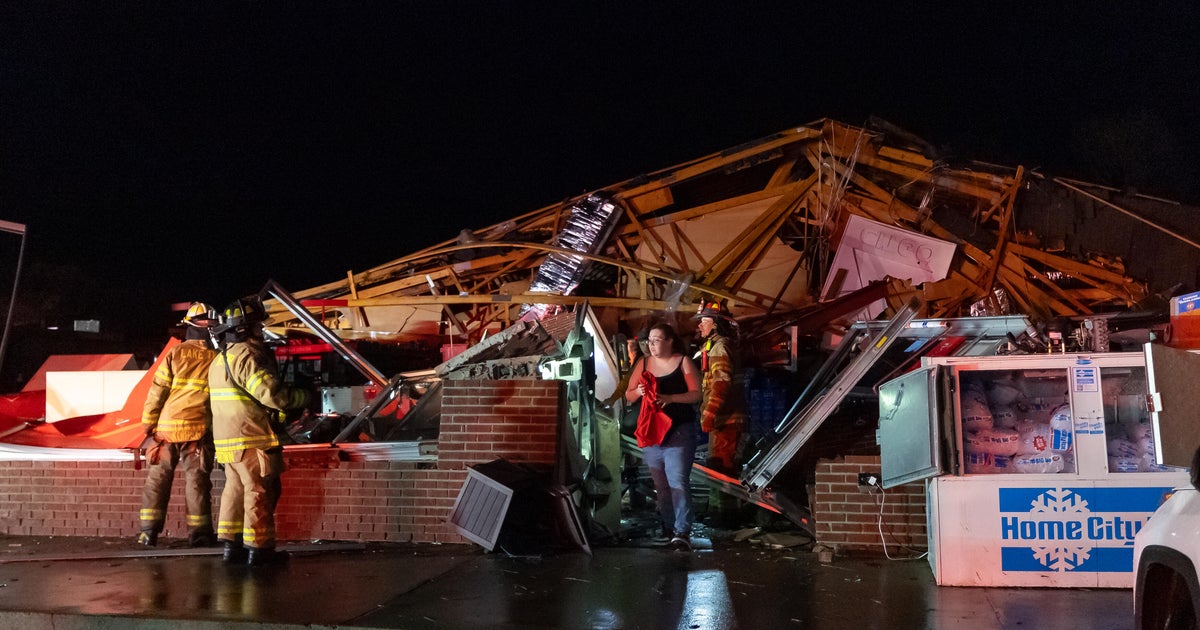


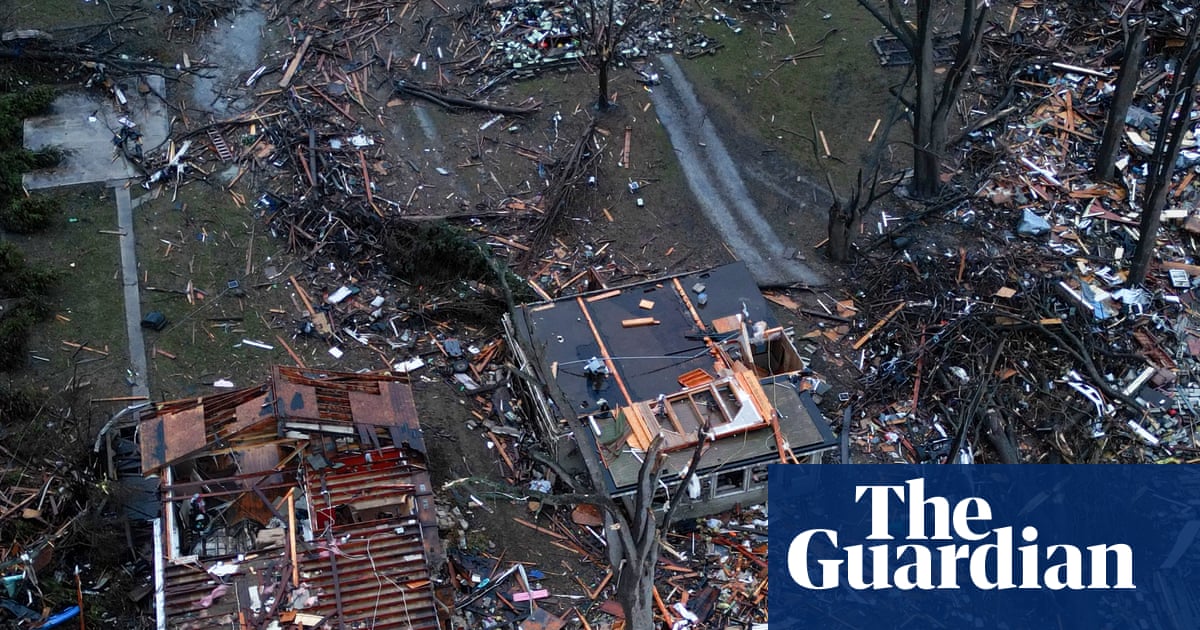
Tornadoes associated with a severe storm system swept across parts of the Midwest and South, particularly striking Indiana and Illinois late Tuesday and into the night, killing at least two people in Lake Village, Indiana, and injuring others. Across the affected region, news outlets agree that multiple tornadoes destroyed or heavily damaged homes, downed trees and power lines, and left entire blocks in some areas leveled, with softball-sized or record-large hail reported in both Indiana and Illinois. Coverage from both sides notes that emergency responders are engaged in search-and-rescue operations and damage assessments, that thousands experienced power outages, and that local officials have begun documenting the scale of the destruction.
Liberal and conservative outlets alike emphasize that this event is part of a broader pattern of recent severe weather in the central United States, coming on the heels of an earlier outbreak that killed at least six people in Michigan and Oklahoma. They agree that the same storm system also spawned tornadoes and severe storms in Texas and other states, and that forecasters from national meteorological institutions expect continued risk of tornadoes, damaging winds, and large hail for tens of millions of people from Texas to the Great Lakes and possibly toward the East Coast. Both perspectives highlight the role of the National Weather Service and local emergency management agencies in issuing watches and warnings, stress the need for residents to monitor evolving forecasts, and frame the storms as part of an active and dangerous severe-weather season across the central U.S.
Areas of disagreement
Emphasis on broader climate context. Liberal-aligned outlets are more likely to situate the Indiana and Illinois tornadoes within a pattern of increasingly volatile severe weather seasons and hint at or explicitly reference climate change as a backdrop, while conservative outlets tend to describe the storms as intense but episodic weather events without invoking long-term climate trends. Liberal coverage often connects this outbreak to recent deadly storms in other states to suggest a troubling escalation, whereas conservative coverage treats those earlier events mainly as chronological context without drawing systemic conclusions.
Scope of geographic focus. Liberal sources more frequently highlight the multi-state span of the storms, detailing impacts not only in Indiana and Illinois but also in Texas and the broader corridor from Texas to Michigan and potentially the Atlantic coast, underscoring how many millions remain at risk. Conservative coverage, by contrast, concentrates attention on Illinois and Indiana, particularly the combination of tornadoes and record-size hail, giving less narrative space to the wider national footprint of the storm system.
Human impact framing. Liberal reporting tends to foreground the personal toll with vivid descriptions of homes "annihilated," communities "devastated," and residents coping with back-to-back disasters, often underscoring the vulnerability of affected communities and the strain on public resources. Conservative outlets also note fatalities and injuries but more tersely summarize the damage as "widespread" and focus on counts of destroyed structures and infrastructure damage, presenting the human impact in a somewhat less emotive, more event-driven style.
Policy and preparedness implications. Liberal-aligned coverage is more inclined to imply or raise questions about whether severe-weather preparedness, infrastructure resilience, and emergency response funding are keeping up with the apparent increase in dangerous outbreaks. Conservative reporting generally treats the storms as tests of existing emergency protocols, praising or neutrally describing first responders' actions without delving into policy debates or calls for systemic reform tied to the storms.
In summary, liberal coverage tends to frame the Indiana tornado deaths and Midwest destruction within a broader pattern of worsening severe weather, multi-state risk, and questions about climate and preparedness, while conservative coverage tends to treat the event as a severe but discrete weather disaster, emphasizing localized damage, record hail, and the immediate emergency response without expanding into longer-term structural or climate-oriented critiques.
Story coverage