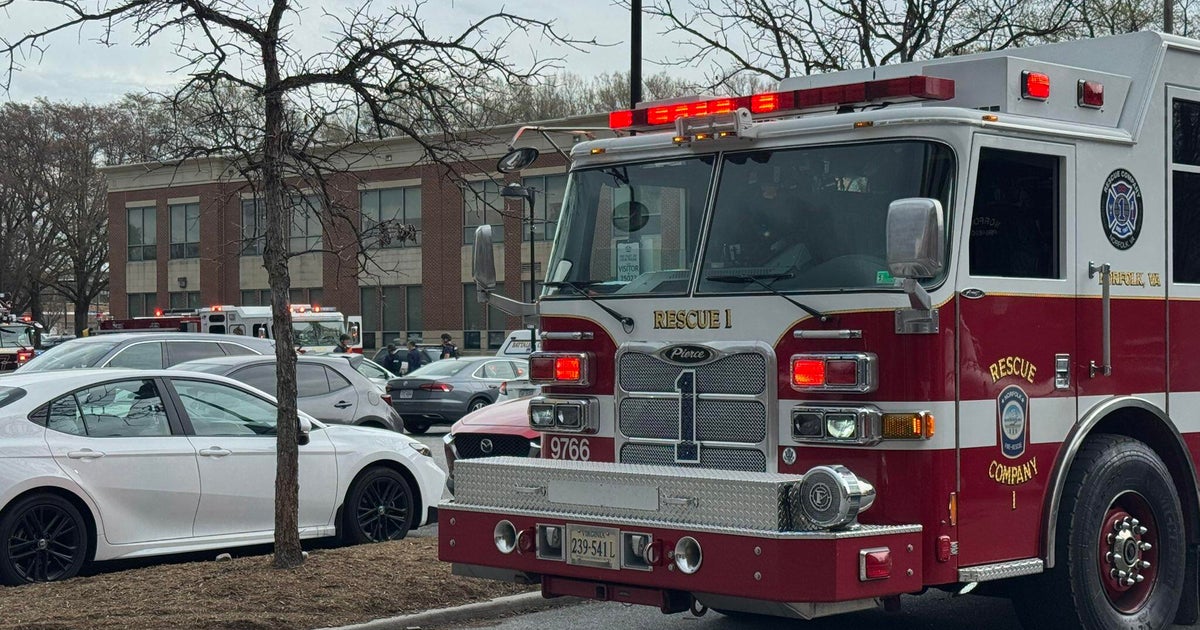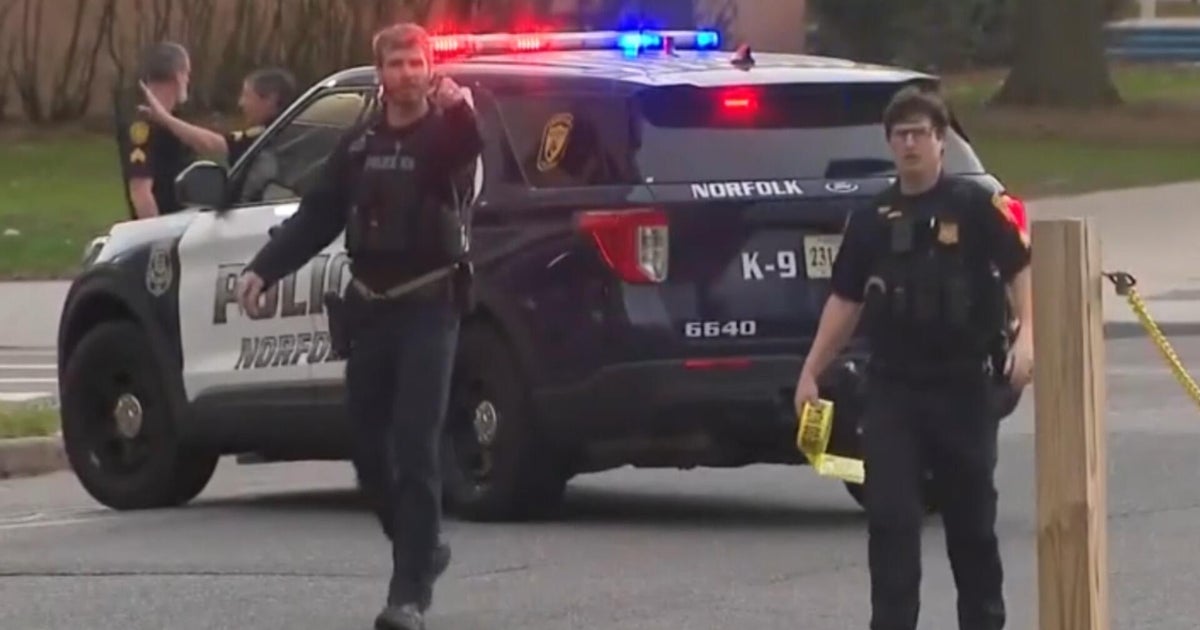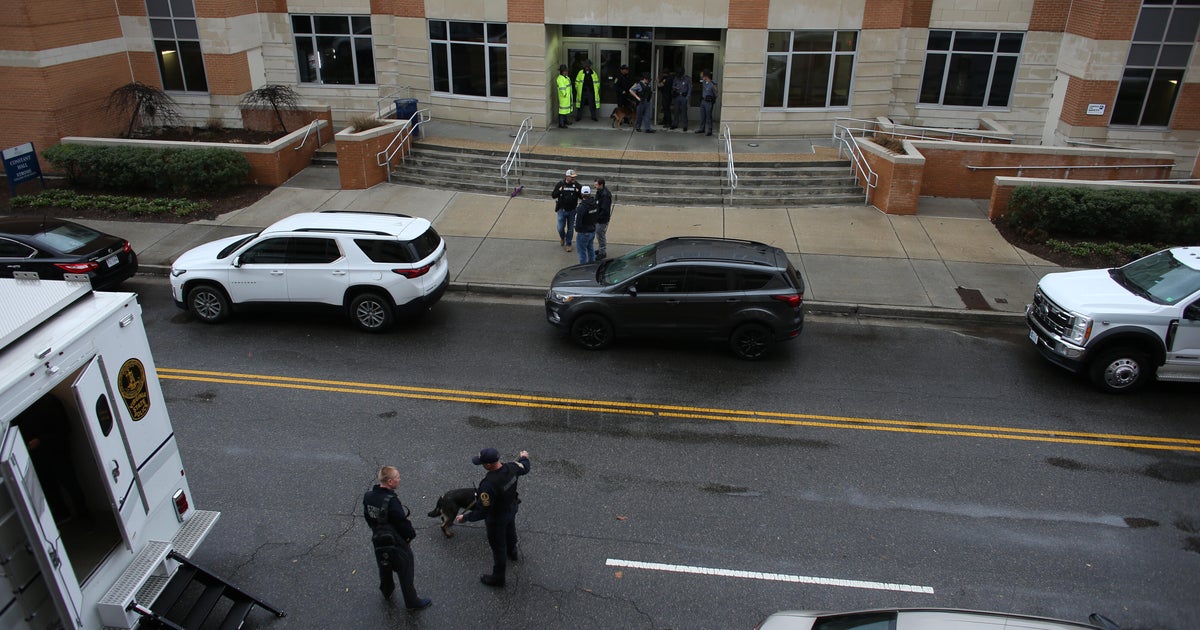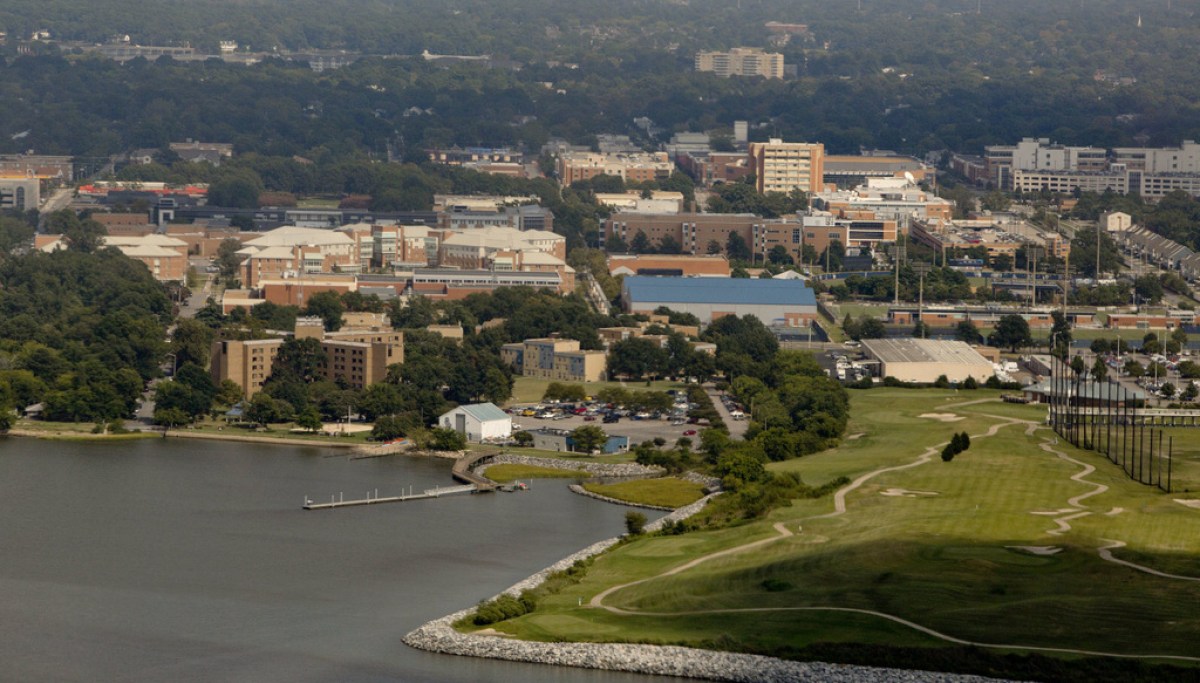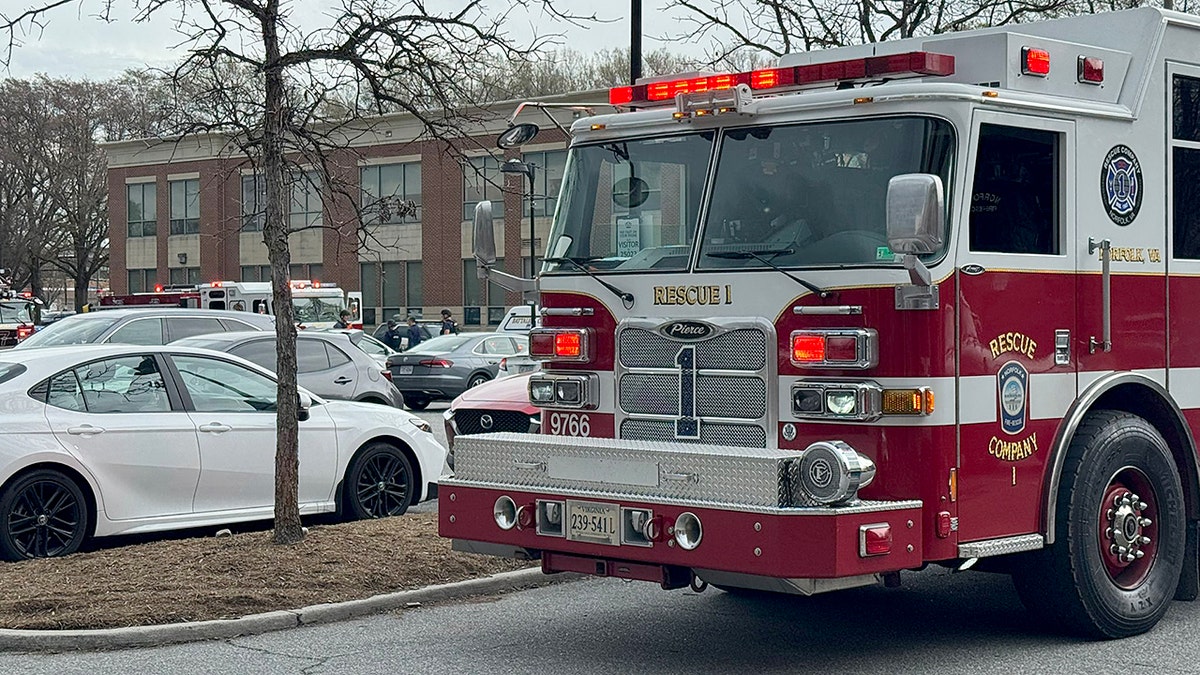



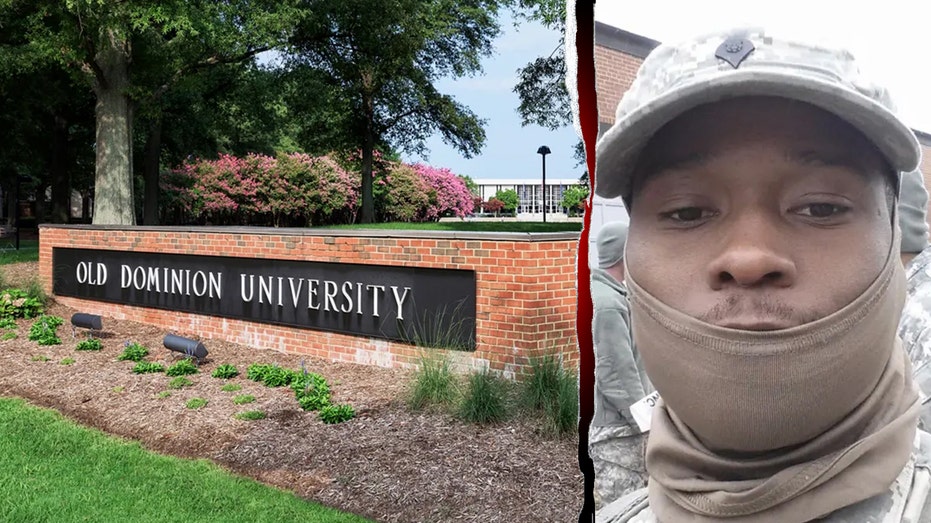
A shooting at Old Dominion University in Norfolk, Virginia, took place on Thursday inside Constant Hall, a business school building, leaving one person dead and two others injured before the gunman was killed at the scene. Both liberal- and conservative-aligned outlets report that the violence unfolded during a class session, triggered an emergency lockdown, led the university to cancel classes and operations for the rest of the day, and prompted nearby K–12 schools to go into a secure-hold status while police and federal agents responded. Coverage agrees that ROTC cadets in the classroom intervened and managed to stop the assailant, that the injured were transported to a hospital, and that law enforcement quickly confirmed there was no ongoing threat to the wider campus after the suspect was neutralized.
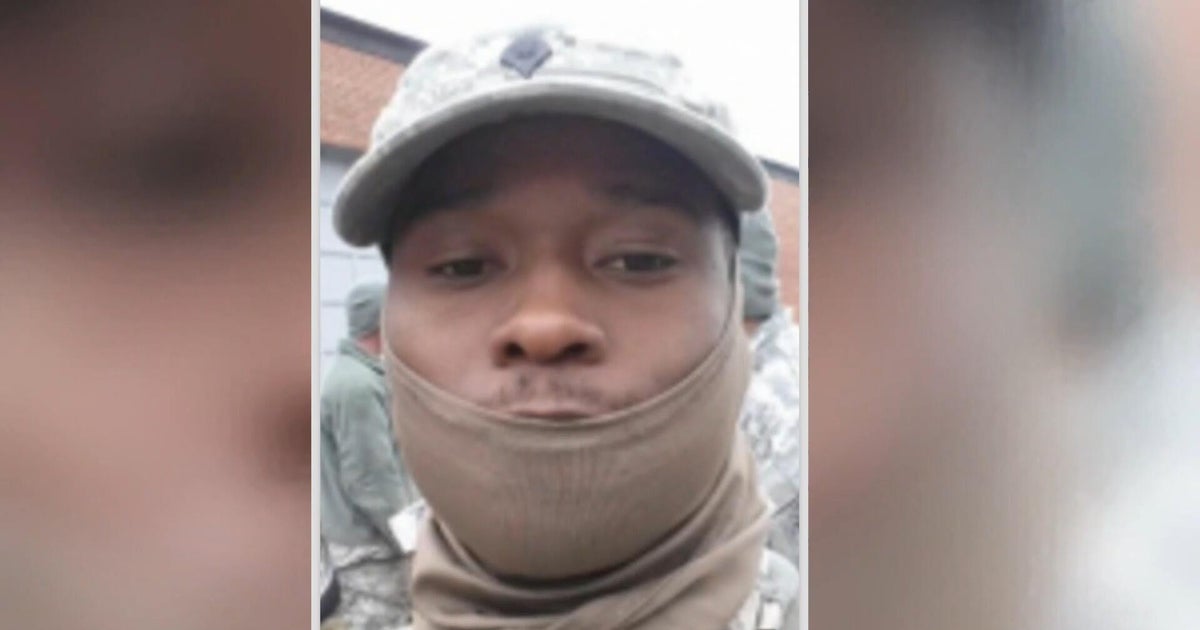
Across the political spectrum, outlets identify the shooter as Mohamed Bailor Jalloh, a former Virginia Army National Guard member and naturalized U.S. citizen who had previously pleaded guilty to providing material support to ISIS and served an 11‑year federal sentence before being released. Both sides note that the FBI and other federal authorities are investigating the incident as a potential act of terrorism, emphasize Jalloh’s prior conviction and extremist ties as key background, and highlight his apparent targeting of an ROTC classroom, where the slain victim is described as an instructor and Army officer. There is shared focus on the bravery of ROTC students who confronted the attacker, the rapid multi-agency response that included federal entities such as the FBI and ATF, and the broader questions raised about campus safety, radicalization, and how the criminal justice system handled Jalloh’s earlier terrorism case.
Areas of disagreement
Framing of the incident. Liberal-aligned sources tend to frame the event primarily as a campus shooting and domestic terrorism case, leading with the location, casualties, and federal investigation before delving into partisan or judicial angles. Conservative outlets, while agreeing on the terror investigation, more quickly cast it as a failed consequence of lenient sentencing and systemic lapses, foregrounding the narrative that a known ISIS supporter was allowed back on the streets. Liberal coverage generally keeps the tone closer to a breaking-news and public-safety report, whereas conservative coverage more often uses the episode as an exemplar of broader security and justice-system failures.
Terrorism and ideology. Liberal reports acknowledge Jalloh’s previous ISIS-related conviction and note that the FBI is probing the shooting as terrorism, but they typically discuss his ideology in a more clinical, fact-reporting style with limited emphasis on religious slogans or cultural framing. Conservative outlets more heavily stress his status as an ISIS supporter, report that he shouted "Allahu Akbar," and underline his prior material-support conviction to frame the attack explicitly as Islamist terrorism. This leads conservative pieces to place the incident squarely within a broader narrative about jihadist threats at home, whereas liberal pieces more often present it as one tragic instance of extremist violence among others.
Blame and institutional accountability. Liberal-leaning sources, while mentioning his prior conviction and sentence, generally refrain from assigning explicit partisan blame, focusing instead on the fact that a convicted extremist was released and on the need to examine how he was monitored post‑release. Conservative coverage sharply criticizes the judge who imposed an 11‑year sentence instead of the 20 years sought by the Trump Justice Department, arguing that this judicial leniency directly enabled the killing. As a result, conservative outlets more explicitly connect the shooting to perceived failures in the courts and, by implication, to broader issues of judicial philosophy, whereas liberal outlets keep responsibility more diffuse and process-oriented.
Portrayal of heroes and victims. Liberal outlets praise the ROTC students who intervened and credit them with preventing further casualties, but they tend to describe their actions in relatively restrained terms and focus on the overall response and campus impact. Conservative sources go further in glorifying the ROTC cadets and the slain instructor, often naming him as an Army war hero and devoted ROTC leader, and framing the students’ actions as a quintessentially patriotic response to Islamist terror. This leads conservative coverage to emphasize themes of heroism, military sacrifice, and defense of country, while liberal coverage centers more on community trauma, institutional response, and broader safety concerns.
In summary, liberal coverage tends to treat the shooting as a tragic convergence of campus violence and extremist recidivism within a broader public-safety and counterterrorism framework, while conservative coverage tends to spotlight Islamist ideology, judicial leniency, and patriotic heroism to argue that systemic failures and weak sentencing directly enabled the attack.
Story coverage