



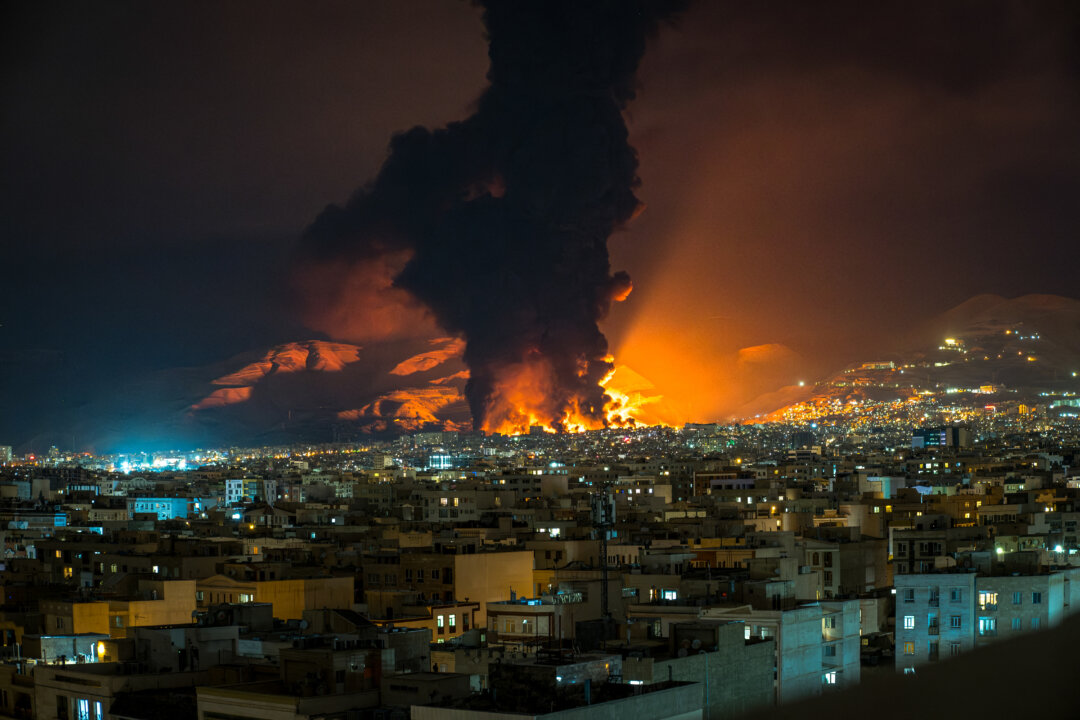
News coverage from both liberal and conservative outlets agrees that the ongoing war centered on Iran and the wider Middle East has triggered the largest oil supply disruption in the history of the global market, according to the International Energy Agency. They concur that exports and shipments through the Strait of Hormuz have been sharply curtailed, production from several Gulf producers has been slashed, and tanker traffic has come under attack or serious threat, creating an acute supply shock. Both sides also note that the IEA and the United States have released significant volumes from emergency reserves in an effort to stabilize markets, yet benchmark prices such as Brent crude have still surged toward or above the 100 dollar per barrel mark, reflecting the seriousness of the disruption.
Liberal and conservative coverage both describe the IEA as the central source of data and warnings, emphasizing its decision to cut its forecast for oil supply growth in light of the conflict-driven outages. They broadly agree that the disruption is rooted in regional geopolitical instability tied to the Iran war and the wider Middle East conflict, and that the Strait of Hormuz functions as a critical chokepoint for global energy flows. Outlets across the spectrum also highlight that the shock has implications for global economic growth, with reduced regional oil and gas output expected to weigh on manufacturing, trade balances, inflation, and consumer costs worldwide, underscoring the vulnerability of the global economy to security crises in key energy-producing regions.
Areas of disagreement
Scale and economic implications. Liberal-aligned sources emphasize the shock as a systemic threat to global growth, stressing projected slumps in overall output, risks to recovery, and the potential need for coordinated international policy responses. Conservative outlets focus more on the impact on energy costs, market volatility, and investor sentiment, often treating the disruption as a stark reminder of how dependent the world remains on Middle Eastern supply. While liberals tend to frame the disruption as part of a broader economic and humanitarian crisis requiring multilateral action, conservatives more often present it as a market and security challenge that underscores existing vulnerabilities in Western economies.
Policy lessons and energy strategy. Liberal coverage leans toward interpreting the disruption as evidence for accelerating diversification away from fossil fuels, strengthening international institutions like the IEA, and expanding strategic reserves and collective crisis mechanisms. Conservative coverage is more likely to argue that the shock validates the case for boosting domestic oil and gas production, reducing regulatory barriers, and prioritizing energy independence from unstable regions. Where liberals highlight long-term structural reforms and climate-aligned transitions as safeguards against similar shocks, conservatives largely stress near- and medium-term supply-side measures and national security–oriented energy policy.
Framing of geopolitical responsibility. Liberal sources, while acknowledging attacks on tankers and transit risks, place the emphasis on the broader instability of the region and the dangers of escalation, often using more neutral or multilateral language when describing the warring parties and regional power dynamics. Conservative outlets more sharply focus on Iran’s role and that of its proxies, portraying their actions as central drivers of the crisis and a direct menace to global trade routes. Thus, liberals foreground conflict de-escalation and diplomacy as key to stabilizing energy flows, whereas conservatives more strongly highlight deterrence and hard security measures aimed specifically at Iran-linked actors.
Assessment of emergency responses. Liberal coverage tends to present the record releases from IEA members and the United States as necessary, coordinated steps that have at least partially cushioned the blow to consumers, while warning these tools are finite. Conservative coverage gives more mixed assessments, sometimes questioning whether releases can meaningfully offset lost Middle Eastern supply and arguing that they may mask underlying policy failures on domestic production and strategic preparedness. As a result, liberals often treat emergency stockpiles as proof of the value of international coordination, whereas conservatives more frequently frame them as stopgaps that cannot substitute for robust national energy strategies.
In summary, liberal coverage tends to stress the disruption as a global systemic risk that underscores the need for multilateral cooperation, conflict de-escalation, and long-term shifts in energy systems, while conservative coverage tends to highlight Iran’s and its proxies’ responsibility, argue for stronger security and domestic production, and frame the crisis primarily as a test of Western energy resilience.


