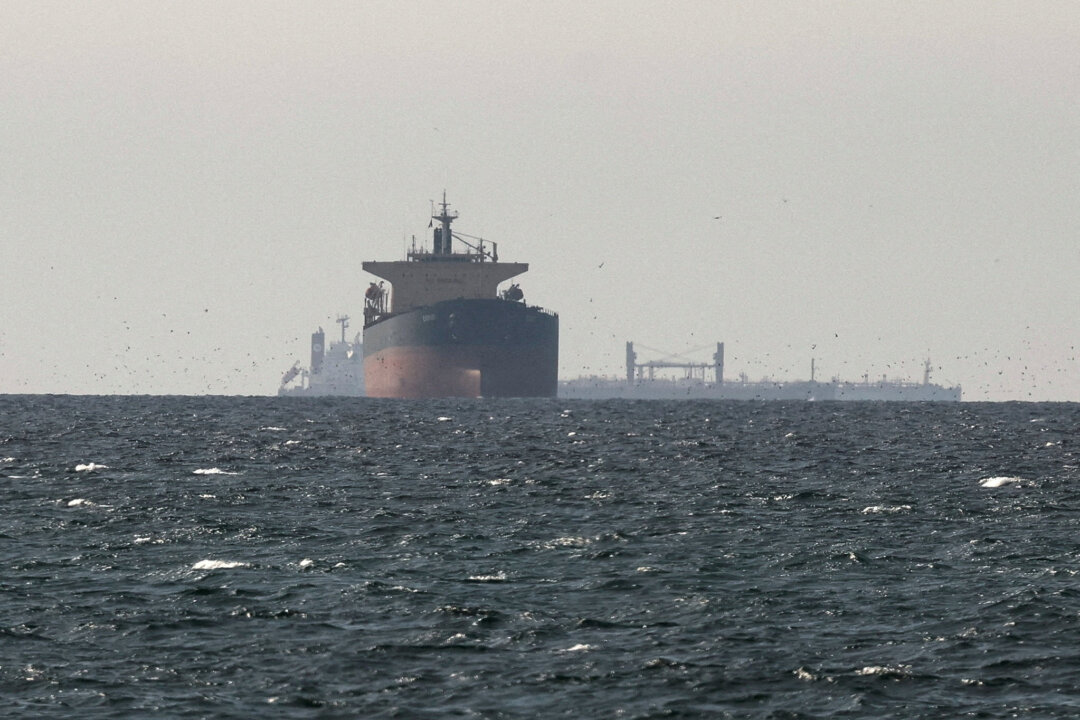

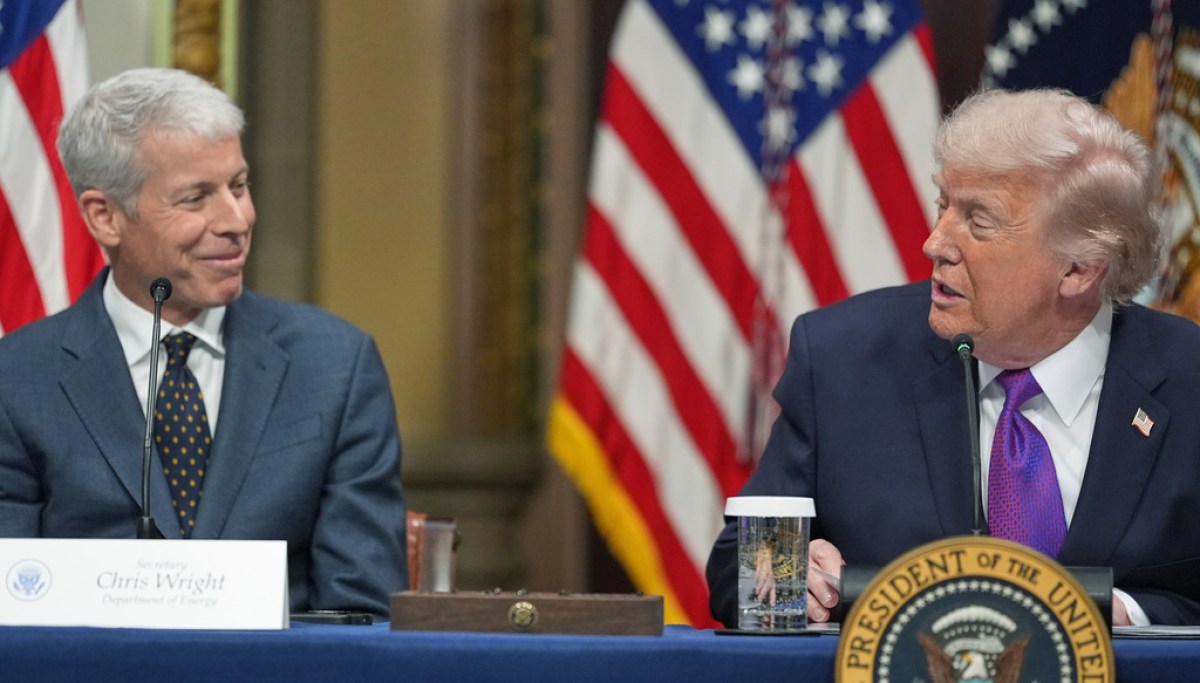
U.S. and allied coverage broadly agrees that senior officials have begun publicly outlining timelines for U.S. Navy escorts of oil tankers through the Strait of Hormuz, which is currently effectively closed or highly restricted due to the Iran war and associated security risks. Energy Secretary Chris Wright is consistently quoted as saying the Navy is not ready to start escorts immediately but is aiming to be able to do so by the end of the month, with current military resources focused on degrading Iran’s offensive capabilities. Both liberal and conservative outlets note that the shutdown or disruption of this chokepoint—through which roughly a fifth of global oil demand normally transits—has driven oil prices sharply higher, prompted fears of supply shortages, and led more than 30 countries to coordinate releases from strategic stockpiles, including a large drawdown from the U.S. Strategic Petroleum Reserve. They also agree that, at this stage, the promise to escort tankers is framed as a conditional commitment tied to what is “militarily possible” rather than a firm, immediate operational guarantee.
Across the spectrum, reporting presents the Strait of Hormuz as a critical global energy artery whose closure represents one of the largest oil supply disruptions in history, with attacks or threats against vessels compounding market anxiety. Both sides depict Iran’s leadership as intentionally leveraging the strait’s closure as pressure on the international community, and they describe U.S. and allied military operations as dual-purpose: both neutralizing Iran’s offensive capacity and ultimately enabling safer commercial navigation. Liberal and conservative stories alike stress the institutional coordination among the Pentagon, the Energy Department, the Treasury Department, and international partners in managing both the security and economic dimensions of the crisis. There is also shared acknowledgment that stockpile releases have so far failed to fully stabilize prices, underscoring how central the restoration of secure passage through the strait is to any longer-term solution.
Areas of disagreement
Urgency and readiness. Liberal-aligned outlets highlight Wright’s admission that the U.S. is “not ready” yet, stressing the gap between political promises and operational capacity and casting the end-of-month timeline as uncertain and contingent. Conservative outlets emphasize instead that the U.S. “intends” or “aims” to begin escorts by the end of the month, presenting the delay as a brief, necessary pause while assets are repositioned. Where liberal reporting focuses on present vulnerability and logistical constraints, conservative reporting foregrounds imminent action and portrays readiness as largely on track.
Framing of responsibility and causation. Liberal sources frame the crisis primarily as a consequence of the broader war against Iran and Iran’s deliberate decision to keep the strait closed as leverage, implicitly questioning the wisdom and planning behind U.S. and Israeli strikes that triggered such a severe disruption. Conservative coverage also notes Iranian pressure tactics but puts heavier emphasis on Iran’s aggression and vessel attacks, treating U.S. and Israeli military actions as justified responses that now require follow-on escort missions. As a result, liberal pieces distribute responsibility among Iranian escalation, regional war decisions, and U.S. planning gaps, while conservative pieces concentrate blame on Iran’s behavior and downplay Western strategic missteps.
Economic emphasis and policy critique. Liberal reporting underscores the unprecedented scale of the supply disruption and highlights that massive stockpile releases, including 172 million barrels from the Strategic Petroleum Reserve, have not stabilized markets, hinting at systemic vulnerabilities in global energy policy and crisis management. Conservative outlets acknowledge price spikes and shortages but frame escorts as a targeted, practical fix to “avert price increases,” with less focus on the limitations of stockpile policy or structural dependence on the strait. Thus, liberal stories are more inclined to question whether current U.S. energy and foreign policy tools are sufficient, while conservative stories cast the escort plan itself as an effective, near-term remedy.
Strategic narrative of the military campaign. Liberal-aligned coverage juxtaposes Treasury Secretary Scott Bessent’s assurance that escorts will start as soon as “militarily possible” with Wright’s comments about current unpreparedness, spotlighting internal tension and the risk that offensive operations against Iran are sidelining basic protection of global commerce. Conservative reporting similarly notes that resources are focused on dismantling Iran’s offensive capabilities and manufacturing, but it frames this as a coherent strategy in which degrading Iran now is a prerequisite to secure shipping later. Consequently, liberals emphasize strategic overextension and mixed messaging, while conservatives present a linear campaign: first neutralize Iran’s threats, then restore safe tanker passage.
In summary, liberal coverage tends to stress current gaps in U.S. readiness, the policy and planning risks behind such a massive supply disruption, and the possibility that the war’s escalation has outpaced secure maritime planning, while conservative coverage tends to emphasize Iran’s culpability, portray the end-of-month escort timeline as a credible and proactive solution, and frame U.S. military operations as a deliberate sequence moving efficiently toward restored tanker security.
Story coverage