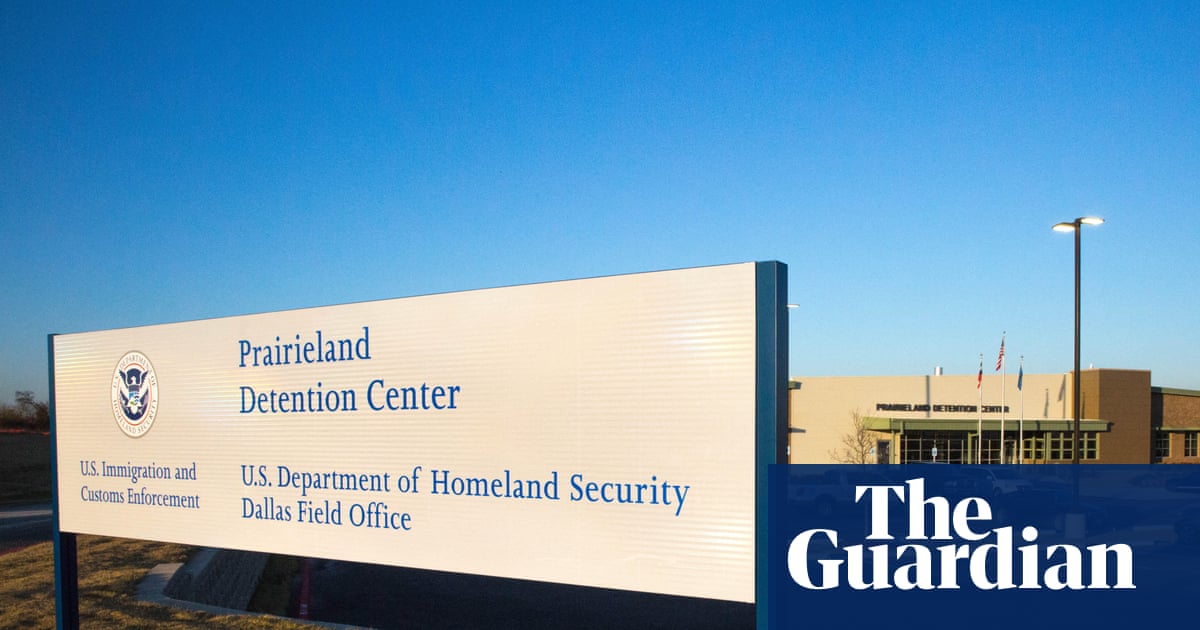
Nine defendants were convicted by a federal jury for their roles in an incident outside a Texas Immigration and Customs Enforcement detention facility, with both liberal and conservative outlets agreeing that prosecutors tied the group to antifa and brought terrorism-related charges. Coverage on both sides notes that the case centered on whether the defendants’ conduct during a protest crossed the line from protected speech and assembly into criminal support for terrorism, and that the judge emphasized the legal standards for terrorism charges rather than the political label of antifa itself.
Across the spectrum, outlets acknowledge that the proceedings were treated as an early test of how far federal authorities can go in applying anti-terrorism statutes to domestic political protesters, particularly those aligned with left-wing or anti-ICE activism. Both liberal and conservative reports describe the institutions involved—federal prosecutors, a Texas federal court, and ICE—and agree that the case sits at the intersection of immigration enforcement, public protest, and expanding domestic terrorism frameworks, raising broader questions about free speech, political extremism, and law enforcement powers.
Areas of disagreement
Framing of antifa and terrorism. Liberal-aligned coverage tends to question the significance of the antifa label, stressing that the judge said alleged antifa affiliation was legally irrelevant and warning against conflating left-wing protest with terrorism. Conservative coverage instead foregrounds antifa as a central identity marker, casting the case as the first major terrorism trial involving antifa adherents and emphasizing the group as an organized extremist threat.
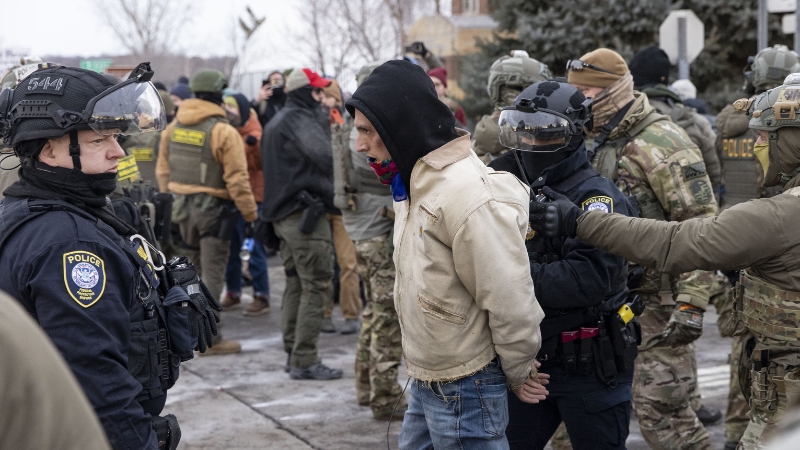
Characterization of the protest and attack. Liberal sources more often describe the episode as a protest outside an ICE facility that escalated and then became the basis for aggressive terrorism charges, focusing on civil liberties implications and the boundary between protest and crime. Conservative outlets frame it as an organized attack on a federal detention center, highlighting coordination, violence, and threats to law enforcement and detainees as evidence that this went well beyond ordinary protest.
Civil liberties versus security emphasis. Liberal coverage concentrates on First Amendment concerns and the risk of setting a precedent that could chill dissent, portraying the case as a test of how anti-terror statutes might be used against political activists. Conservative coverage prioritizes public safety and the protection of federal institutions, arguing that strong terrorism prosecutions are necessary to deter politically motivated violence and to support immigration enforcement operations.
Role of government and institutions. Liberal outlets scrutinize the government’s use of anti-terrorism tools, depicting federal prosecutors as potentially overreaching in a politically charged context and raising alarms about expanding domestic terrorism powers. Conservative outlets generally present the government’s role more favorably, portraying prosecutors and ICE as correctly using available legal mechanisms to respond to an ideologically motivated threat and to uphold the rule of law.
In summary, liberal coverage tends to downplay the centrality of antifa as a legal category and emphasize free speech, overreach, and civil liberties risks, while conservative coverage tends to stress antifa as a key extremist actor, frame the incident as a serious attack on a federal facility, and endorse robust terrorism prosecutions to protect security and immigration enforcement.
Story coverage