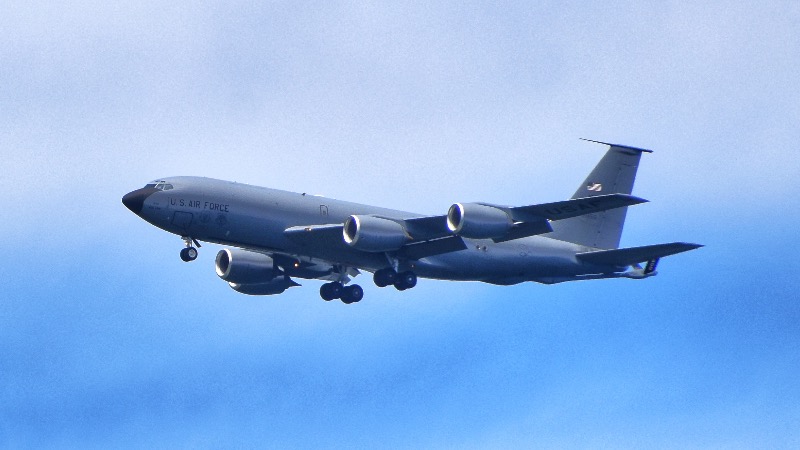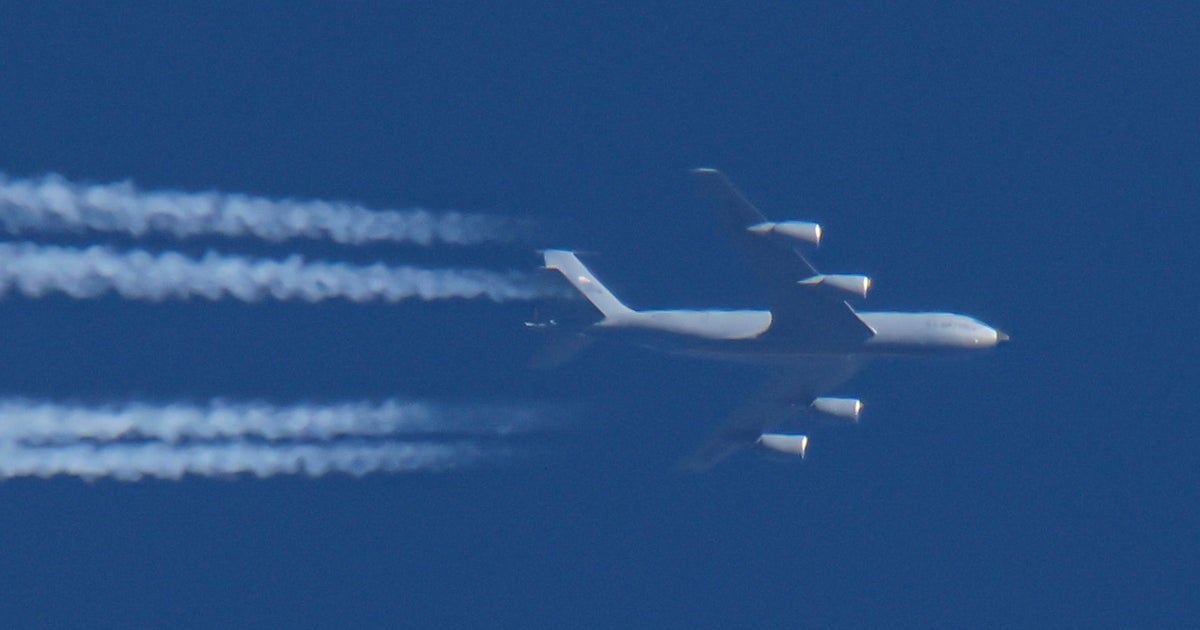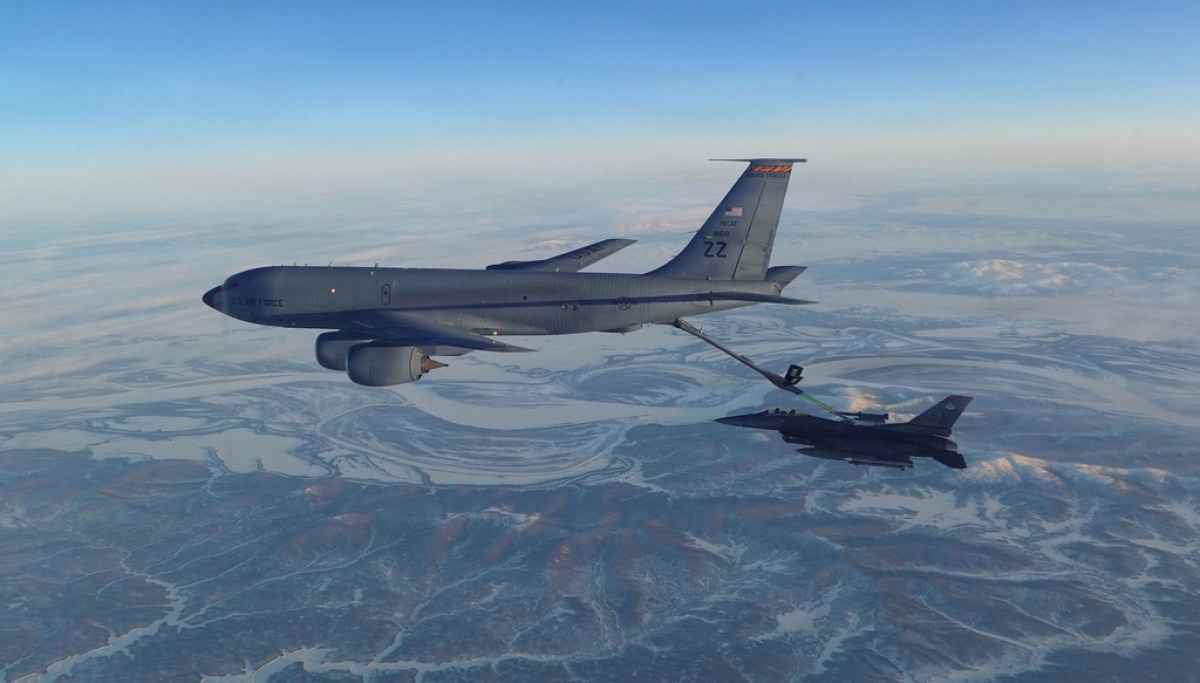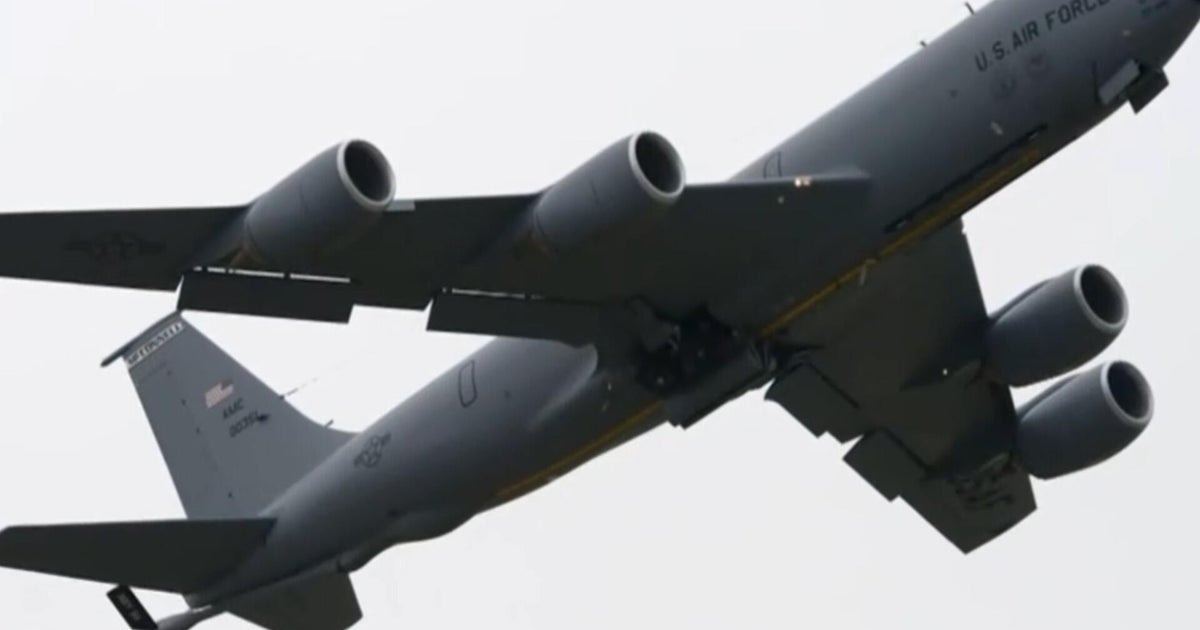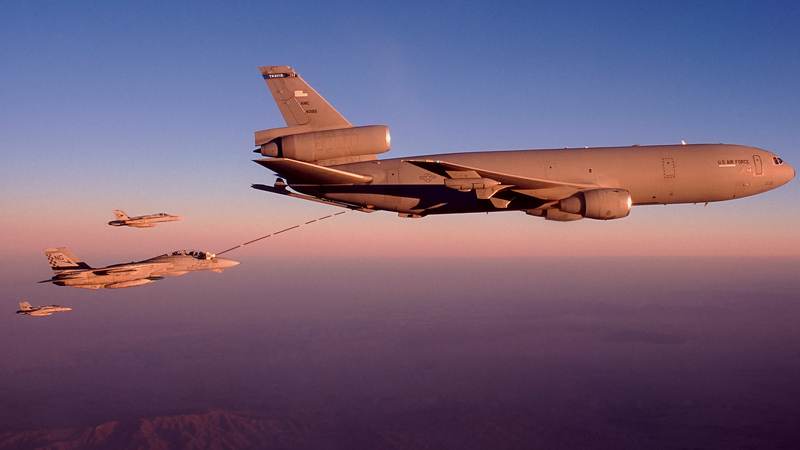



A U.S. Air Force KC-135 Stratotanker refueling aircraft crashed in western Iraq during Operation Epic Fury, killing all six service members on board. Both liberal- and conservative-aligned outlets agree that the crash occurred in the context of ongoing U.S. combat operations linked to the broader war with Iran, that it was the deadliest U.S. aerial incident of the campaign so far, and that the deaths raise the total number of American military fatalities in this conflict to 13. Reporting from both sides cites U.S. Central Command’s confirmation that there is no indication the aircraft was brought down by hostile or friendly fire, and that a formal investigation is underway while the names of the dead are being withheld pending notification of next of kin.
Coverage across the spectrum also situates the crash within the institutional framework of U.S. military operations in the Middle East: a KC-135 Stratotanker performing aerial refueling in support of sustained air missions, operating under CENTCOM authority in western Iraq. Outlets agree that the incident reflects the risks of high-tempo air operations during a rapidly evolving regional conflict with Iran, and they note that preliminary attention is focused on a possible mid-air collision or mechanical failure rather than combat damage. Both liberal and conservative reports frame the event as part of a sequence of U.S. and Iranian or Iran-aligned strikes across the region, underscoring that the war is entering its second week with no clear sign of de-escalation or political resolution.
Areas of disagreement
Cause and responsibility. Liberal-aligned sources hew closely to Pentagon and CENTCOM statements, emphasizing that there is no evidence of hostile fire and highlighting a possible mid-air collision as a leading line of inquiry. Conservative outlets, while also noting the official denial of enemy involvement, give more space and detail to claims from pro-Iran Iraqi militias that they shot down the aircraft, sometimes foregrounding those assertions in headlines or early paragraphs. This creates a contrast between a more restrained, investigation-focused narrative and one that keeps open, and at times amplifies, the possibility of enemy action despite the current lack of corroborating evidence.
Emphasis on human stories versus operational framing. Liberal coverage tends to keep the focus on the incident as a statistical and institutional event—six crew members killed, total deaths now 13, and the impact on the trajectory of the Iran conflict—while only lightly touching on the identities of the fallen. Conservative outlets more prominently feature biographical details, such as the Georgia father and recently promoted Alabama pilot, using family interviews and local angles to personalize the losses. This leads liberal reports to feel more policy- and conflict-oriented, while conservative reports often frame the crash through the lens of sacrifice and community impact.
Characterization of the broader war context. Liberal-aligned reporting generally describes the hostilities as an ongoing conflict with Iran, stressing that the war is nearing the two-week mark with no end in sight and casting the crash as one more cost of an expanding confrontation. Conservative outlets more frequently frame the situation as a U.S. “war against Iran” in which American forces are conducting extensive strikes and responding to prior Iranian or proxy attacks, placing greater narrative weight on Iranian aggression and the need for U.S. resolve. As a result, liberal pieces may read as more focused on escalation risks and war weariness, while conservative pieces highlight deterrence, retaliation, and strategic toughness.
Information hierarchy and uncertainty. Liberal sources typically prioritize official confirmations and incremental updates, emphasizing what is known and explicitly flagging what remains under investigation, with sparse mention of unverified claims. Conservative coverage, especially in earlier pieces, places stronger emphasis on breaking-news elements like rescue efforts, the involvement of a second KC-135 that landed safely in Israel, and militant boasts, sometimes before full official clarity is available. This difference in information hierarchy can make liberal coverage appear more cautious and institutionally anchored, whereas conservative coverage appears more willing to surface contested details and battlefield rumors as part of the evolving story.
In summary, liberal coverage tends to foreground official statements, investigation-focused details, and the crash’s role in a costly, open-ended conflict with Iran, while conservative coverage tends to emphasize the human stories of the fallen, highlight Iranian or proxy threats and militant claims, and situate the incident within a narrative of American resolve and response in a broader war.
Story coverage