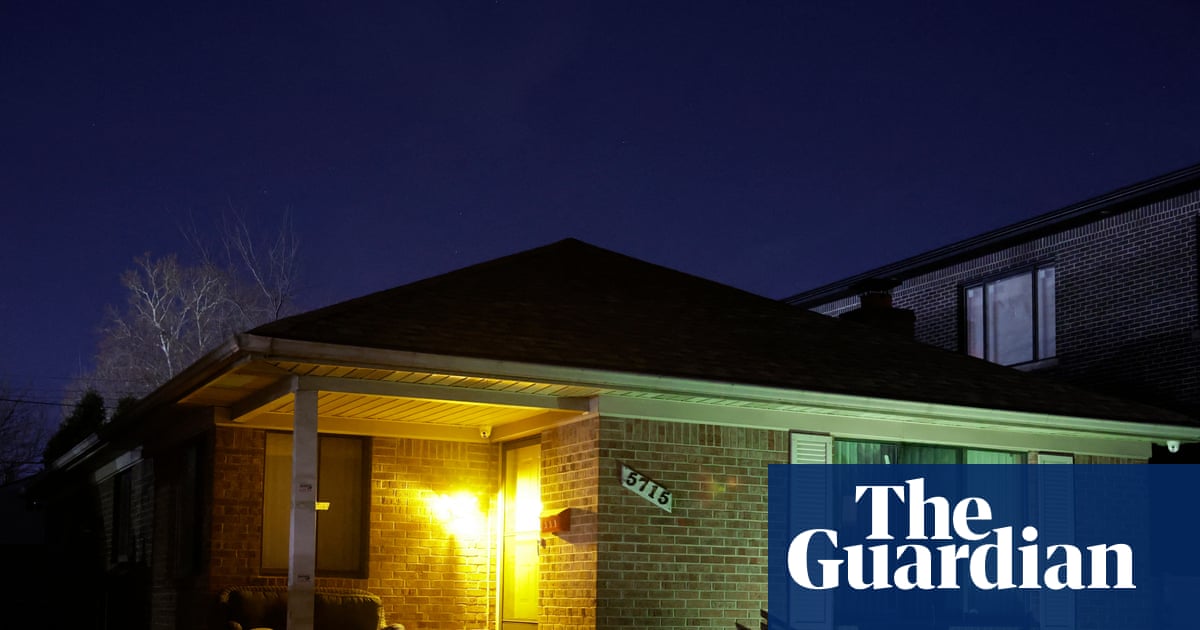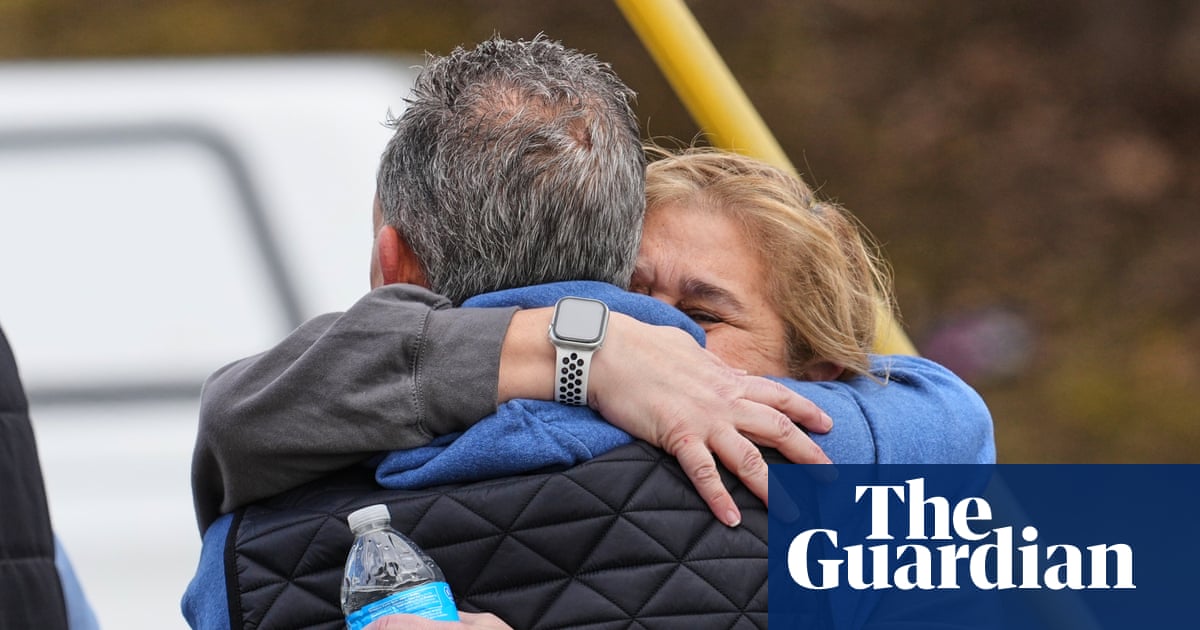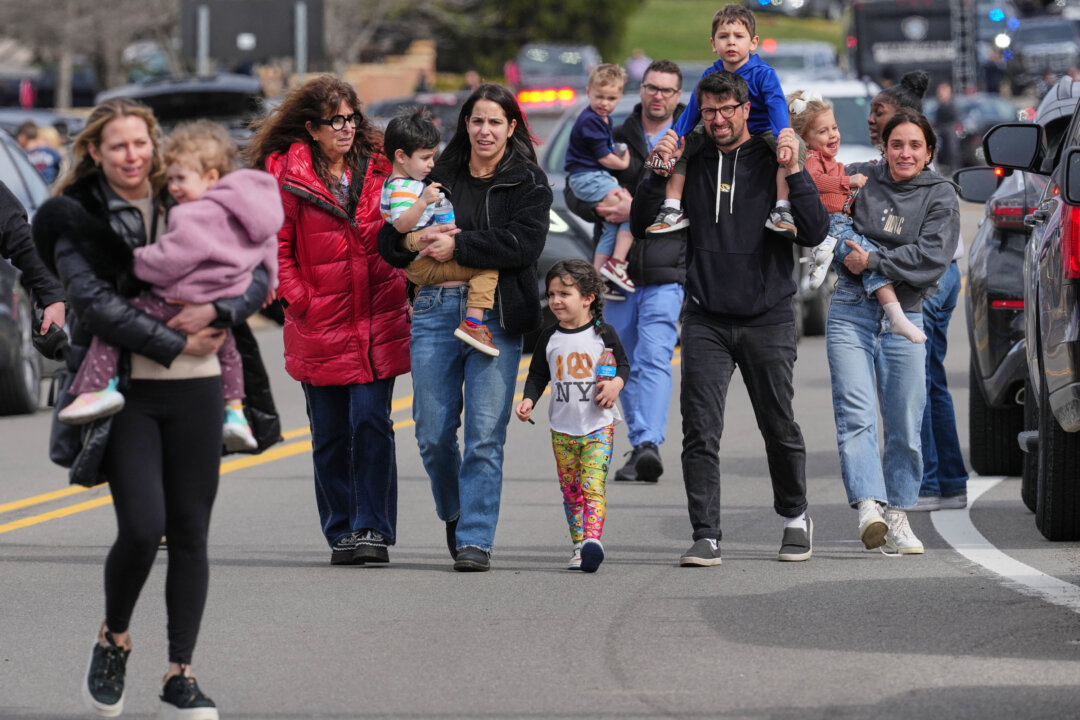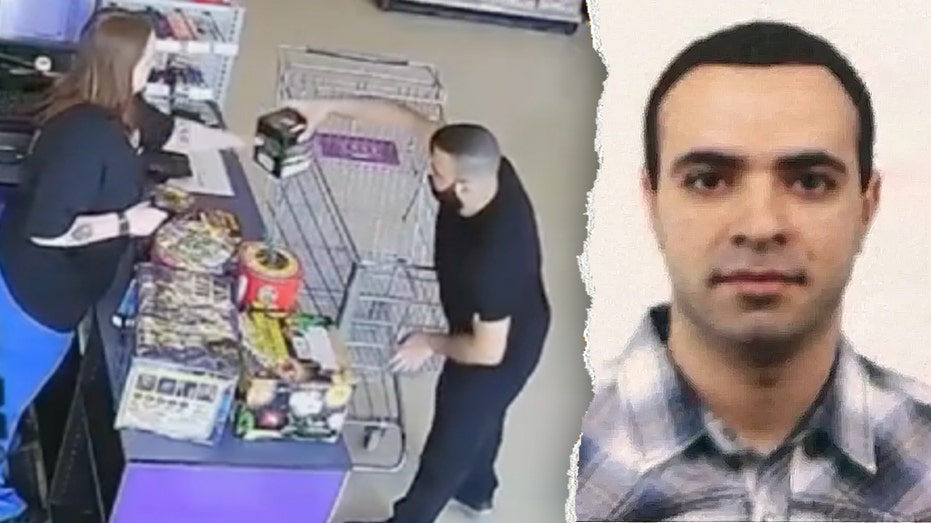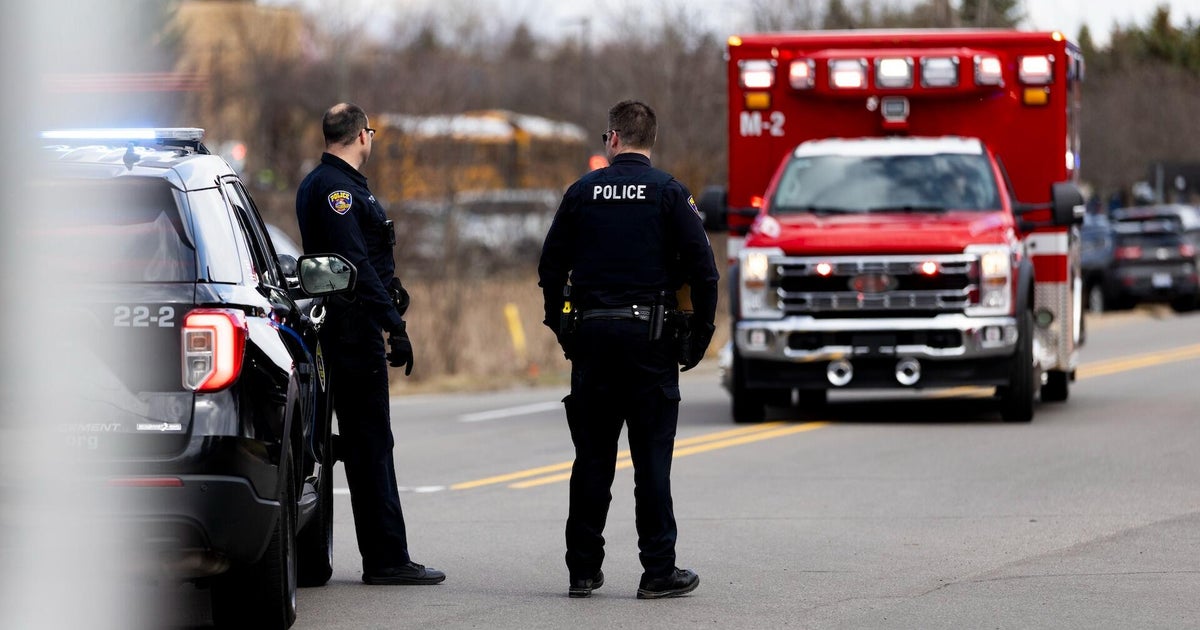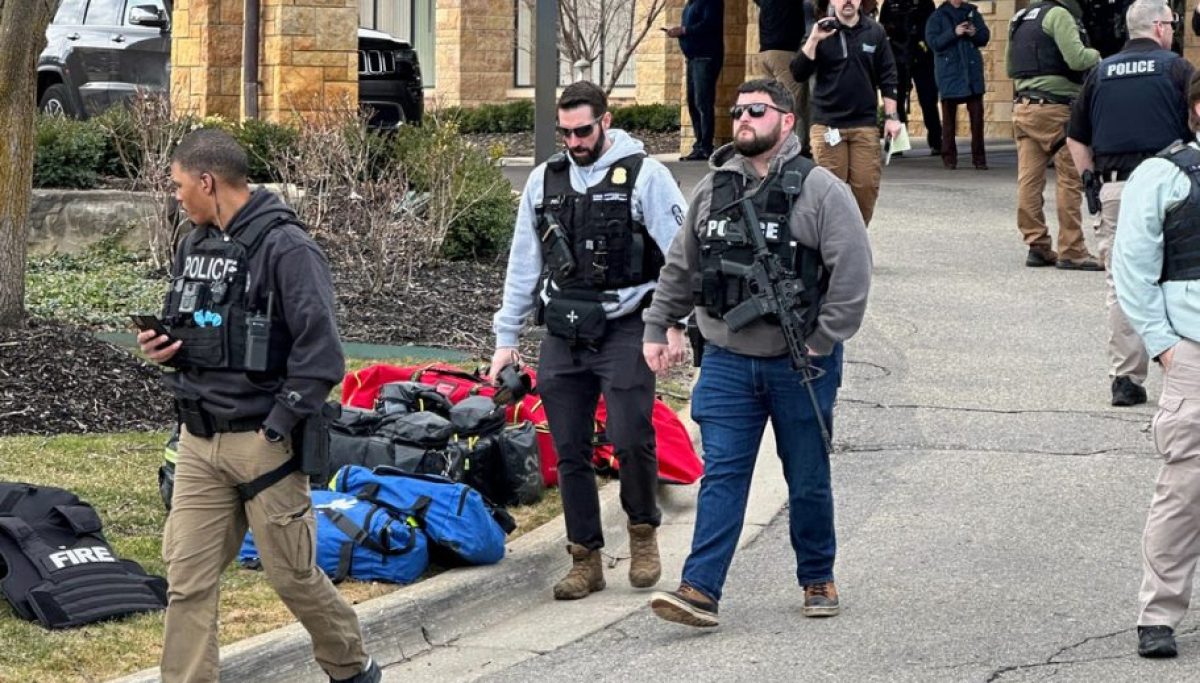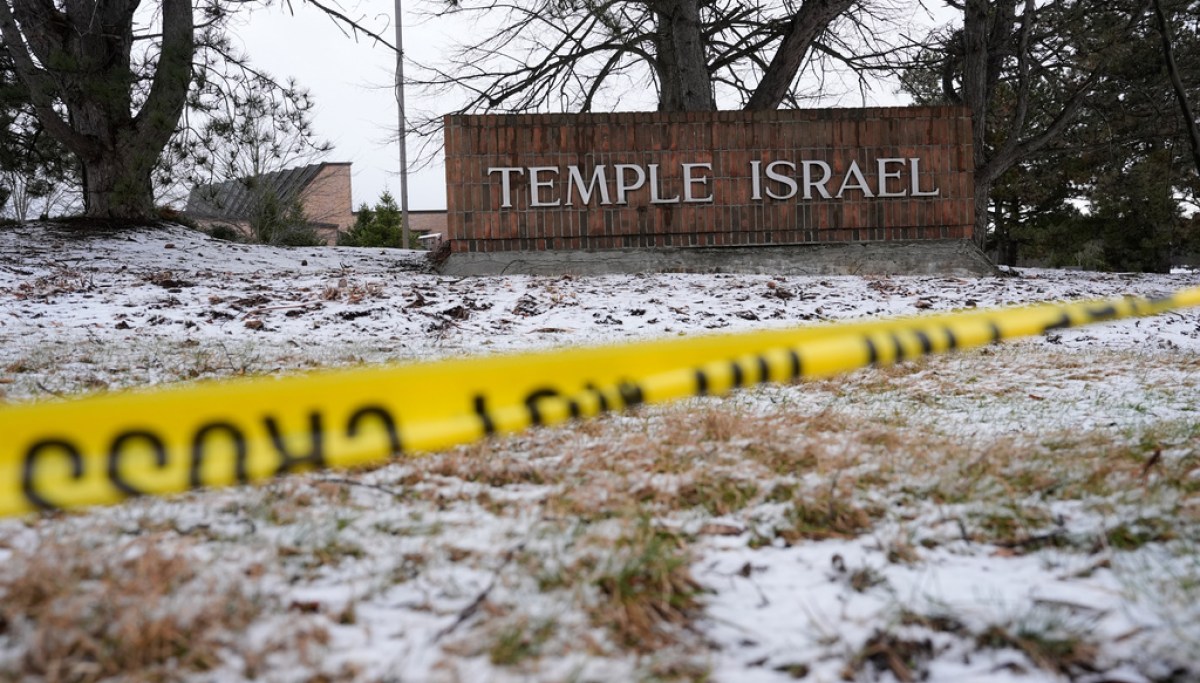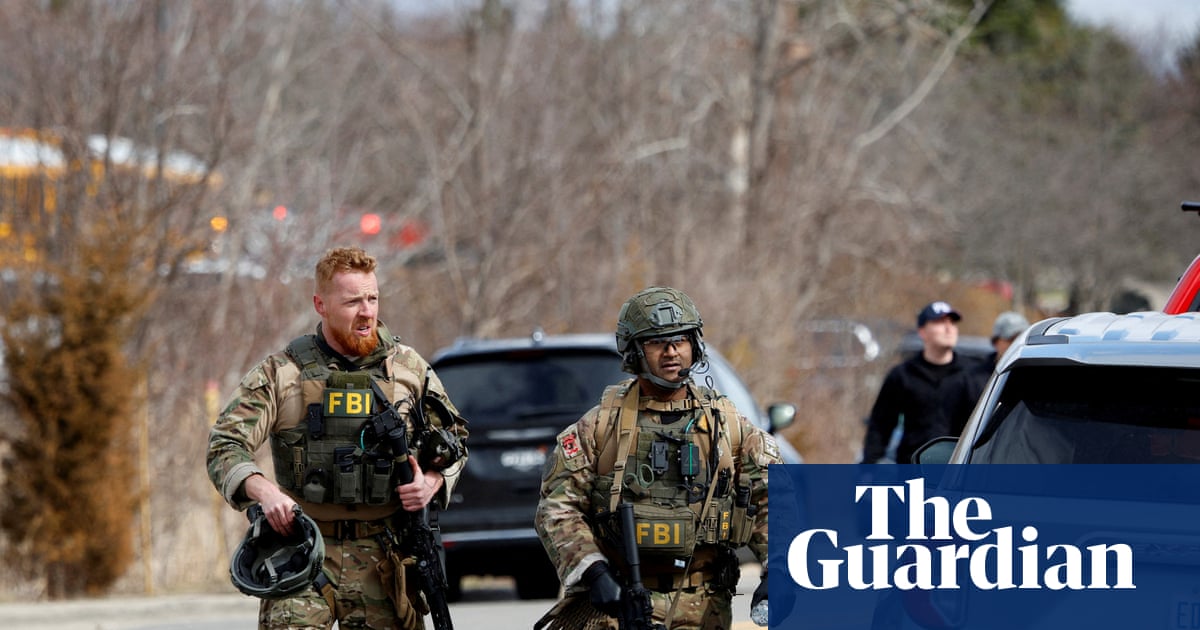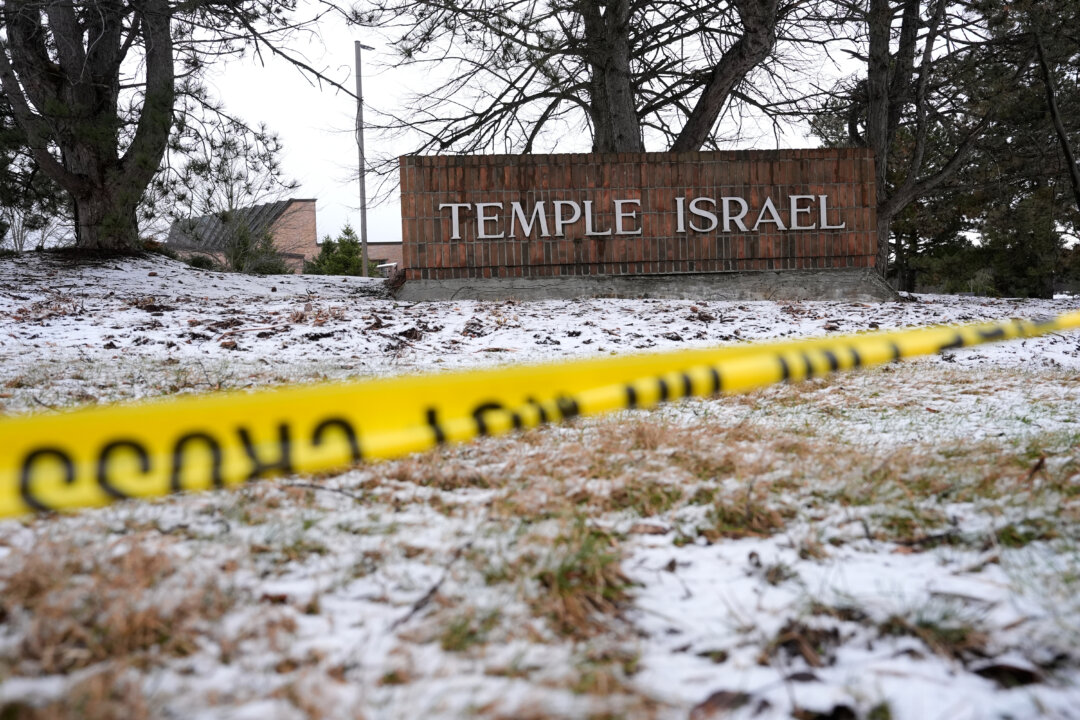



An armed man identified as Ayman Mohamad Ghazali, a naturalized US citizen originally from Lebanon, drove a truck into Temple Israel, a large synagogue and community complex in West Bloomfield, Michigan, setting off a fire and then exchanging gunfire with on-site security before being fatally shot. Both liberal- and conservative-leaning outlets agree that the attack occurred while about 140 children and additional staff were inside the facility, that no congregants or children were physically harmed beyond one injured guard, and that explosives and a rifle were recovered from the scene. Coverage on both sides notes that the synagogue had been bolstering its security for months, including hiring a police lieutenant as security director and conducting active-shooter training, and that these measures, along with the rapid response of security officers and local law enforcement, likely prevented mass casualties. They also concur that the FBI is investigating the incident as a targeted act of violence against the Jewish community and that the episode is being viewed within a broader rise in antisemitic threats and attacks against Jewish institutions in the West.
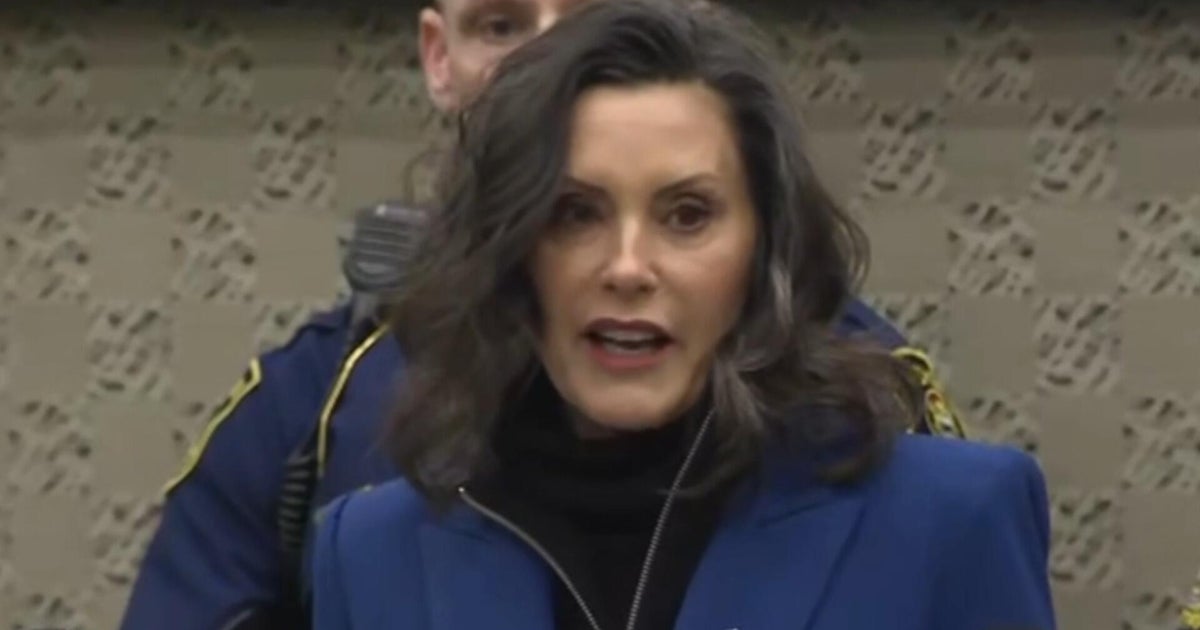
Shared context across the spectrum emphasizes that Temple Israel is not just a synagogue but also a school and community center, making the presence of children and educators central to the story and to officials’ statements. Outlets broadly note that the incident occurred amid an atmosphere of heightened tension linked to the Israel–Hamas war and Israel’s parallel confrontation with Hezbollah, with Ghazali’s recent loss of four relatives in an Israeli strike in Lebanon cited as a potential element of his personal background. Liberal and conservative sources alike highlight that authorities have not yet publicly released a definitive motive, that investigators are weighing both antisemitic and geopolitical dimensions, and that political leaders, including Michigan Governor Gretchen Whitmer and federal officials, are decrying antisemitic violence and promising enhanced protection for Jewish sites. Across the board, coverage places the Michigan attack alongside other recent attacks or attempted attacks on Jewish institutions in the United States and Europe, underscoring a shared narrative of vulnerable religious communities, the centrality of security infrastructure, and continuing federal counterterrorism scrutiny.
Areas of disagreement
Motive and framing. Liberal-aligned outlets more often balance discussion of antisemitism with attention to Ghazali’s personal history, including his relatives’ deaths in an Israeli strike in Lebanon, framing this as relevant context without declaring it a justification. Conservative outlets, by contrast, tend to treat any emphasis on his family’s loss as an attempt to rationalize or downplay what they portray as straightforward antisemitic or terroristic violence against Jews. Liberal coverage typically leans on official language about a "targeted act of violence" and an ongoing investigation, while conservative coverage more quickly labels the attack as part of a broader jihadist or intifada-style threat tied to anti-Israel agitation.
Link to wider Middle East conflict. Liberal sources commonly situate the attack within the chain of escalation since the Israel–Hamas war and Israeli strikes in Lebanon, sometimes presenting Ghazali’s background as an example of how the foreign conflict reverberates domestically and can radicalize isolated individuals. Conservative sources instead emphasize that anti-Israel propaganda and rhetoric—on campuses, in protests, and by some politicians—has created an ideological environment that incites violence against Jews regardless of specific personal grievances. Where liberal coverage stresses the need to understand the complex intersection of foreign policy, diaspora trauma, and domestic security, conservative coverage stresses that importing the narratives of “genocide” and “resistance” from the region directly fuels attacks like the one in Michigan.
Political accountability and rhetoric. Liberal-leaning reports largely focus on official condemnations of antisemitism, highlighting statements by Governor Whitmer and Jewish community leaders, and tend to avoid assigning partisan blame beyond generic references to rising hate. Conservative outlets, however, explicitly target particular Democratic mayors, activists, and media figures for what they call mealy-mouthed or rationalizing responses, arguing that references to Israeli military actions or casualty figures in the same breath as the attack serve to excuse it. Liberal coverage thus frames political leaders as partners in shoring up security and community resilience, while conservative coverage frames certain liberal officials and commentators as contributing to a permissive climate for antisemitic violence.
Security and policy responses. Liberal coverage underscores the need for increased funding and institutional support for security at Jewish and other vulnerable religious sites, often situating this within broader discussions of hate crimes, civil rights protections, and community-based security training. Conservative sources place more emphasis on the synagogue’s proactive security posture, using it as evidence that robust armed defense, including trained security officers and law-enforcement integration, is necessary and effective. While liberal outlets focus more on systemic responses—federal grants, law enforcement resources, and interfaith solidarity—conservative outlets more often connect the episode to debates over counterterrorism vigilance, border and immigration policy, and the dangers of underestimating "sleeper cells" or ideologically motivated actors.
In summary, liberal coverage tends to frame the Michigan synagogue attack within a broader landscape of rising antisemitism, complex geopolitical spillover, and the need for institutional security and community protection, while conservative coverage tends to emphasize clear ideological culpability, criticize any contextualization as rationalization, and highlight armed preparedness, anti-terror vigilance, and the role of anti-Israel rhetoric in inciting such violence.
Story coverage