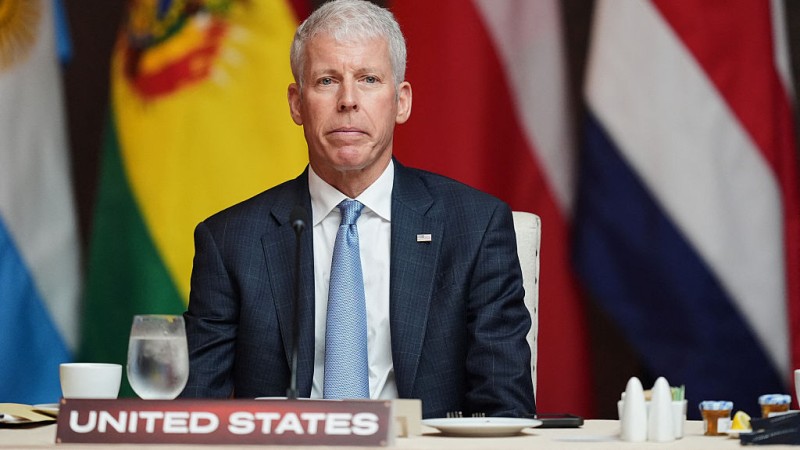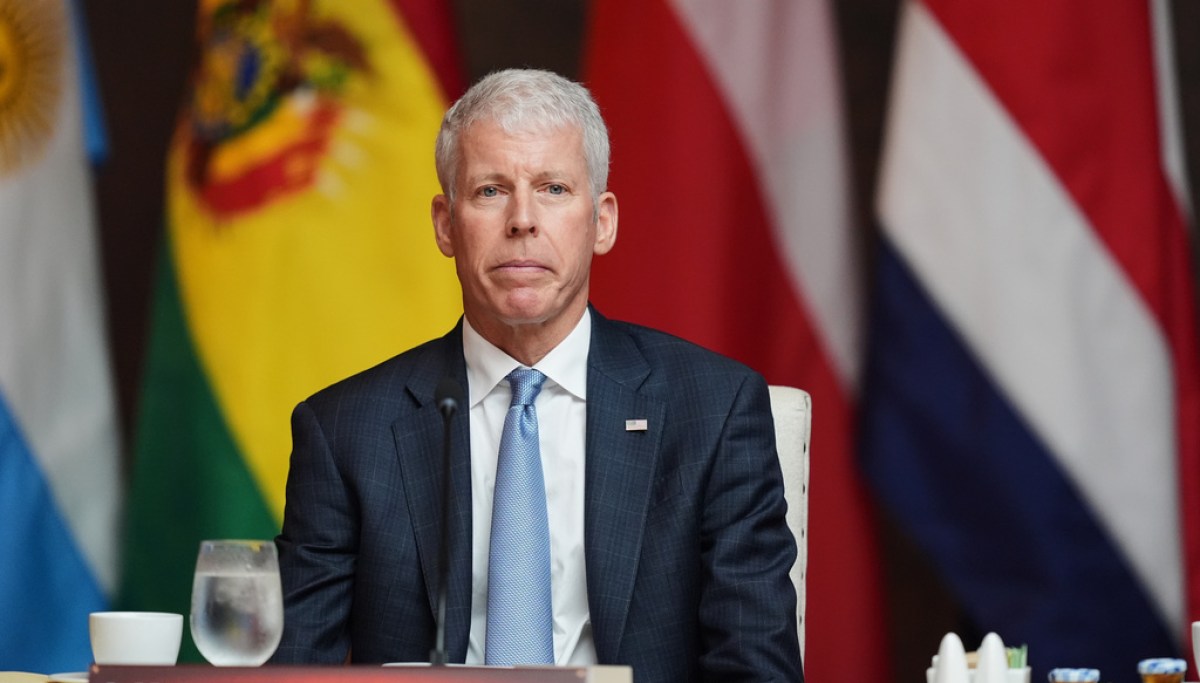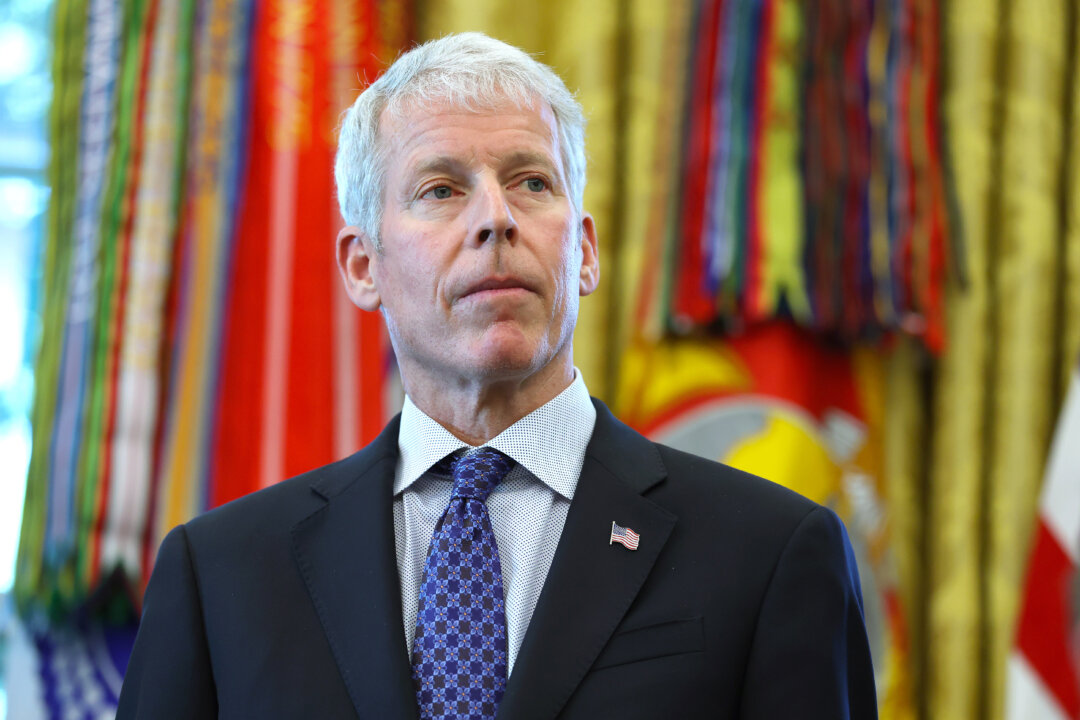



Coverage across the spectrum agrees that U.S. Energy Secretary Chris Wright has repeatedly predicted that the current U.S.-backed conflict involving Israel and Iran, and related tensions around Iran, will likely wind down within “the next few weeks,” possibly sooner. Both liberal and conservative descriptions highlight that he made these remarks in high-profile television interviews, framed them around the impact on oil and gasoline prices, and tied the volatility to perceived war-related risks in and around the Strait of Hormuz and broader Middle East supply concerns. Outlets on both sides report that Wright forecast a near‑term period of elevated gas prices lasting a few more weeks, after which he anticipates some easing, and that he pointed to recent releases from the Strategic Petroleum Reserve as a tool Washington has used to steady markets.
Across ideological lines, reports agree that the underlying context is the vulnerability of global energy markets to geopolitical shocks, especially when key shipping lanes and major producers are involved. They similarly describe Iran as central to recent tensions, whether framed as a formal “war” or a broader conflagration involving Israel, U.S. forces, and Iranian proxies, with the Pentagon and energy agencies monitoring supply flows and price benchmarks. Liberal and conservative outlets alike reference the role of institutions such as OPEC, U.S. energy regulators, and the administration’s economic team in shaping policy responses, and they converge on the idea that any de-escalation of fighting and regional risk would likely relieve some pressure on crude oil and gasoline prices.
Areas of disagreement
Framing the conflict. Liberal-aligned coverage tends to describe the situation more cautiously as a regional escalation or conflict involving Iran, Israel, and U.S. forces rather than a clearly defined “U.S.-Israel war against Iran,” questioning whether it truly constitutes a formal war and emphasizing the complexity of proxy dynamics. Conservative outlets, by contrast, are more likely to use direct “war with Iran” or “Iran war” language in headlines and ledes, presenting Wright’s comments as a confident prediction about the end of a distinct war. Liberals often highlight uncertainties about timelines and warn that predictions of a quick resolution have proved wrong in past Middle East crises, while conservatives treat Wright’s forecast as credible and actionable guidance for both policy and markets.
Energy prices and policy responsibility. Liberal sources generally connect high gas prices to a wider mix of factors, including long‑term market trends, cartel decisions, climate policy constraints, and what they portray as structural underinvestment in clean energy and resilience, with Wright’s prediction framed as only one variable in a complex system. Conservative coverage focuses far more tightly on the Iran conflict as the main driver of recent price spikes and contrasts current price levels favorably with those under the Biden administration before this crisis, sometimes implying that previous policy choices created unnecessary vulnerability. Whereas liberal pieces are more inclined to question whether conflict‑related relief will fully or fairly reach consumers, conservative outlets highlight Wright’s suggestion that prices could fall to or below psychologically important thresholds, like $3 per gallon, once the war risk premium fades.
Assessment of administration performance. Liberal-leaning outlets tend to cast Wright’s statements as part of a broader Biden administration attempt to reassure anxious consumers and markets, while still scrutinizing whether the White House has an adequate long‑term energy and foreign policy strategy. They are more likely to mention criticisms that short‑term tools like Strategic Petroleum Reserve releases cannot substitute for broader reforms, and some question the wisdom of making optimistic forecasts about conflict timelines. Conservative coverage, in contrast, frequently uses Wright’s comments to argue that the administration is managing wartime energy conditions more competently than it did peacetime inflation, emphasizing that today’s higher prices are portrayed as temporary and tied to a “cause” that could reshape geopolitics. These outlets often stress that prices, though elevated, remain below previous Biden-era peaks, implicitly defending current management while still critiquing earlier policy choices.
Risk and optimism about outcomes. Liberal sources commonly underline the persistent risks even if open hostilities recede in the coming weeks, pointing to Iran’s capacity to disrupt shipping, the fragility of cease-fires, and the potential for sudden escalations that could again rattle energy markets. They tend to treat Wright’s optimism about a more abundant and affordable energy landscape post‑conflict as aspirational, contingent on diplomatic success, and dependent on broader structural changes. Conservative outlets, however, more readily echo his confidence that removing near‑term war risk will quickly translate into lower prices and improved supply security, presenting his outlook as a positive turning point. In this framing, the end of the Iran conflict is depicted as a likely pivot toward stronger American and allied leverage in global energy markets, with less emphasis on lingering uncertainty.
In summary, liberal coverage tends to treat Wright’s prediction as one cautious variable within a complex and risky geopolitical and energy landscape, questioning both the certainty of a quick end to fighting and the speed with which consumers will feel relief, while conservative coverage tends to embrace his timeline and optimism, frame the situation more starkly as a discrete “Iran war” whose resolution will swiftly ease prices, and use the episode to defend current wartime energy management while critiquing past Biden-era price spikes.
Story coverage