

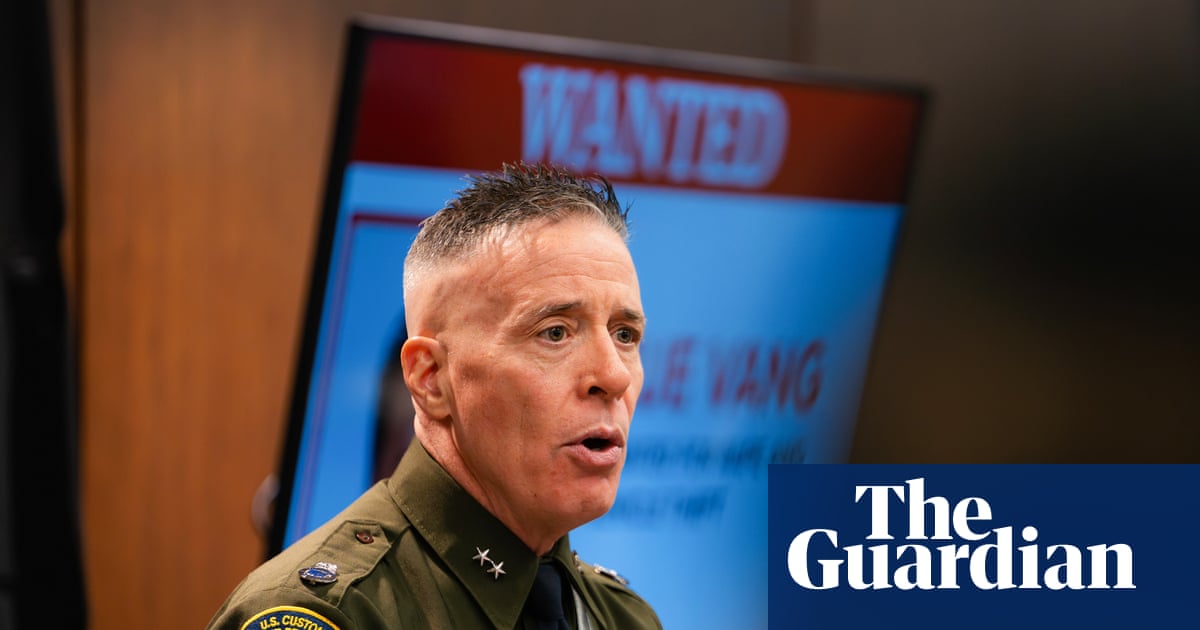
Gregory Bovino, a longtime U.S. Border Patrol commander with roughly three decades of service, has announced he will retire at the end of March after being demoted earlier in the year. Across coverage, he is described as having held leadership roles in multiple locations, including California and a later post overseeing an immigration enforcement initiative in Minnesota, and as a prominent figure in large-scale immigration crackdowns and raids in major U.S. cities under federal direction.
Reporting also agrees that his Minnesota assignment, commonly referred to as Operation Metro Surge in Minneapolis, was controversial and linked to fatal shootings and street-level protests over what critics saw as heavy-handed enforcement tactics. Outlets concur that his tenure was marked both by praise for frontline agents working under difficult conditions and by internal scrutiny, including an investigation into alleged disparaging comments he made about a prosecutor’s faith, reflecting broader institutional tensions over border enforcement strategy and accountability.
Areas of disagreement
Framing of his legacy. Liberal-aligned coverage typically presents Bovino’s retirement in the context of contentious immigration crackdowns, emphasizing that his tenure is inseparable from aggressive raids, civilian fatalities, and civil rights concerns. Conservative-aligned framing, where present, is more likely to foreground his decades of "service" and operational experience, casting him as a seasoned professional who implemented national policy in difficult conditions. While liberals stress the costs of his approach to migrant communities, conservatives tend to spotlight operational success and perseverance amid political backlash.
Characterization of operations. Liberal sources describe Operation Metro Surge and other city raids as heavy-handed, controversial crackdowns that provoked community protests and raised questions about use of force and oversight. A conservative perspective would more often characterize the same operations as necessary enforcement efforts responding to illegal immigration and public safety threats, with controversy attributed to political opposition rather than inherent flaws in the tactics. Thus, liberals highlight the human toll and civil liberties issues, while conservatives emphasize law-and-order imperatives and deterrence.
Accountability and internal scrutiny. Liberal-aligned reporting underscores Bovino’s January demotion and the investigation into alleged disparaging remarks about a prosecutor’s faith as indicators of broader accountability issues inside Border Patrol and the need for reform. A conservative narrative would be more inclined to frame these episodes as either personnel matters being weaponized by critics or as isolated incidents that should not overshadow his career. Liberal outlets treat these investigations as central to understanding his departure, whereas conservatives tend to minimize or de-emphasize them in favor of his long-term contributions.
Political context. Liberal coverage situates Bovino’s role within the Trump-era escalation of immigration enforcement, suggesting his leadership in large city raids reflects a broader political project of hardline border policy. Conservative voices, by contrast, are more apt to depict him as executing the lawful directives of elected leaders amid a border crisis, separating his actions from partisan motives. This leads liberals to connect his retirement to shifting political and policy winds, while conservatives portray it as the natural close of a demanding career in national security.
In summary, liberal coverage tends to cast Bovino’s retirement as the coda to a controversial and often harmful enforcement career tied to Trump-era crackdowns and internal misconduct probes, while conservative coverage tends to emphasize his decades of difficult service, portray operations as necessary responses to illegal immigration, and downplay broader institutional culpability or the need for major reforms.
