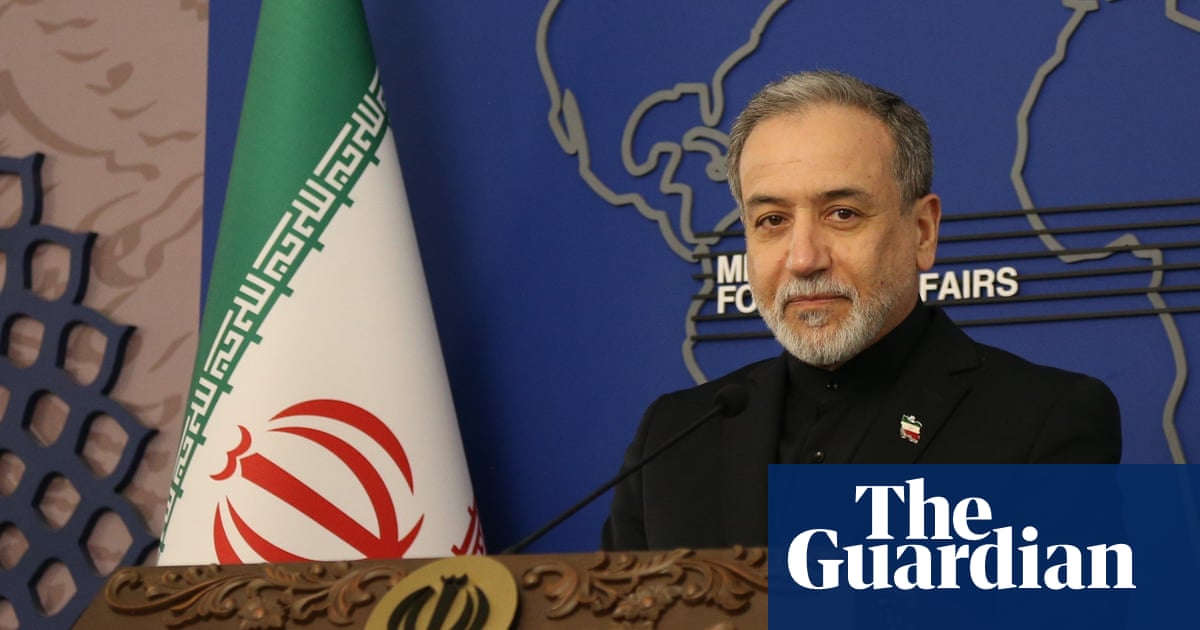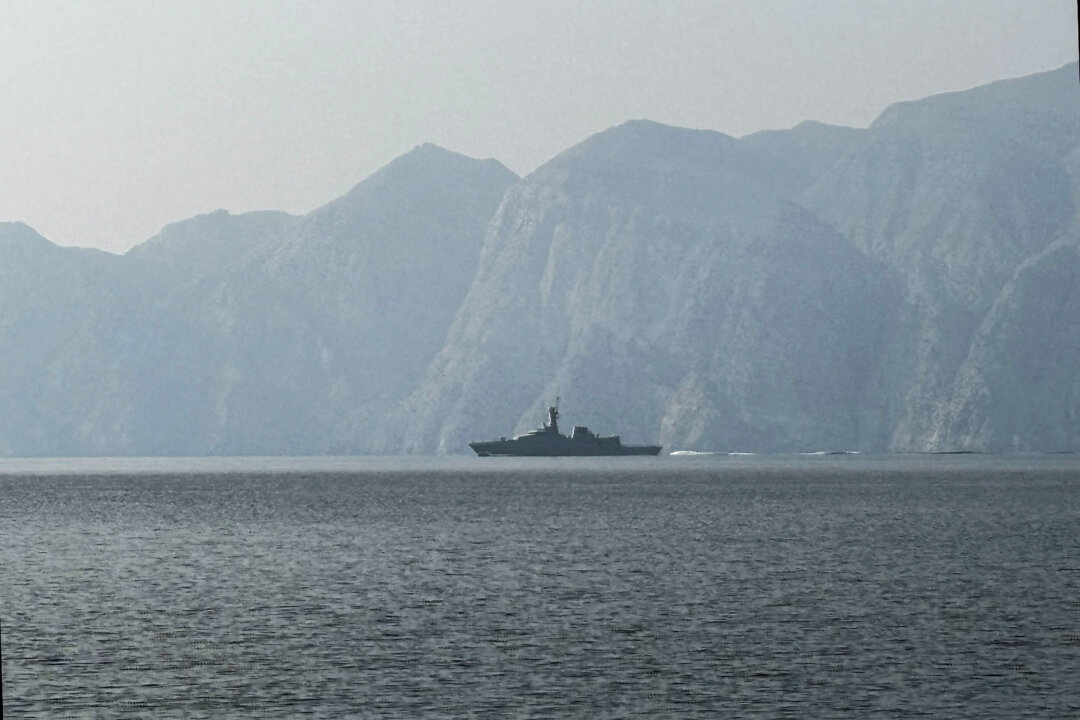

Iran’s foreign minister, identified in coverage as Abbas Araghchi, has publicly asserted that the Strait of Hormuz remains open to all countries except those Iran defines as “enemies,” primarily the United States, Israel, and their allies. Both liberal and conservative outlets agree that these remarks came in the wake of recent attacks on vessels and energy infrastructure in and around the Gulf and followed former President Donald Trump’s call for a multinational coalition to protect shipping through the waterway. Reports concur that Iran is signaling a conditional restriction rather than a total blockade, positioning its stance as a response to prior US bombing raids on Iranian assets, attacks on Kharg Island, and a broader escalation between Iran, the US, and regional Gulf states. All sides also note that maritime risk assessors such as Lloyd’s are monitoring attacks in the area and have not yet identified a clear, consistent pattern behind them.
Across the coverage, there is shared acknowledgment that the Strait of Hormuz is a strategically vital chokepoint for global energy supplies and that any disruption there has serious implications for international oil markets and regional security. Both liberal and conservative sources situate Iran’s rhetoric within a long history of brinkmanship, sanctions pressure, and proxy conflicts between Iran, the US, and Gulf monarchies such as Saudi Arabia, the UAE, Bahrain, and Qatar. They agree that Iran has threatened retaliatory action against American and allied energy infrastructure if its own assets are attacked and that Gulf states host US forces that play a central role in regional power dynamics. There is also consensus that Iran faces intense internal pressure amid casualties from recent bombardments, internet blackouts, and censorship, which shape both Tehran’s external messaging and the urgency of international diplomatic efforts.
Areas of disagreement
Severity and intent of Iran’s threat. Liberal-aligned coverage portrays Iran’s statement that the strait is closed to “enemies” as part deterrent and part political signaling, framed against what they describe as prior US bombing raids and coalition pressure, implying Iran is reacting defensively rather than launching a new escalatory step. Conservative outlets more often characterize the same language as an aggressive threat to freedom of navigation and an implicit challenge to international norms, highlighting the risks to global shipping and the possibility of further military confrontation. While liberals emphasize that Iran still claims the strait is broadly “open,” conservatives stress the conditional closure to US- and Israel-aligned traffic as a dangerous precedent.
Allocation of blame for escalation. Liberal sources tend to emphasize US airstrikes on Kharg Island, Trump’s push for a naval coalition, and alleged encouragement from Gulf monarchies as key drivers of the crisis, suggesting that regional hosts of US bases may be “covertly encouraging” attacks that fuel Iranian retaliation. Conservative coverage, by contrast, centers Iranian missile and drone strikes across Bahrain, Saudi Arabia, Qatar, and the UAE, and the long record of Iranian proxy activity, as primary evidence that Tehran is the main destabilizing actor. Where liberals highlight the role of external pressure and sanctions in cornering Iran, conservatives underscore Iran’s own decision to expand attacks and threaten energy flows as the proximate cause of tension.
Characterization of Gulf states and US policy. Liberal-aligned outlets often depict Gulf governments as complicit or at least opportunistic, reporting claims that figures like Saudi Crown Prince Mohammed bin Salman urged Washington to “hit the Iranians hard,” and framing US coalition-building as serving Saudi and Emirati security agendas. Conservative reporting generally presents Gulf states as vulnerable partners seeking protection from Iranian aggression and casts Trump’s call for a patrol coalition as a necessary effort to safeguard commercial shipping and deter further attacks. The liberal narrative tends to scrutinize the motives and accountability of US-aligned monarchies, while the conservative narrative largely normalizes their security concerns and focuses criticism on Tehran.
Humanitarian and domestic angles. Liberal coverage devotes more attention to Iran’s internal toll, citing an Iranian death count approaching 1,500, intensified bombardment of Iranian territory, and escalating censorship such as internet blackouts, portraying the regime’s hardline posture in the strait as intertwined with domestic strain and authoritarian control. Conservative sources downplay or omit detailed casualty figures and internal repression, concentrating instead on external security risks and strategic calculations, and using data points like Lloyd’s assessment of attack patterns to frame the situation in maritime and insurance terms. As a result, liberals more often connect the strait dispute to human suffering and regime survival, whereas conservatives keep the focus on deterrence, risk assessment, and military posture.
In summary, liberal coverage tends to frame Iran’s conditional closure rhetoric as a defensive, context-bound response intertwined with US and Gulf actions and Iran’s internal strain, while conservative coverage tends to cast it as a straightforward act of aggression that threatens freedom of navigation and validates tougher containment and deterrence measures.
Story coverage