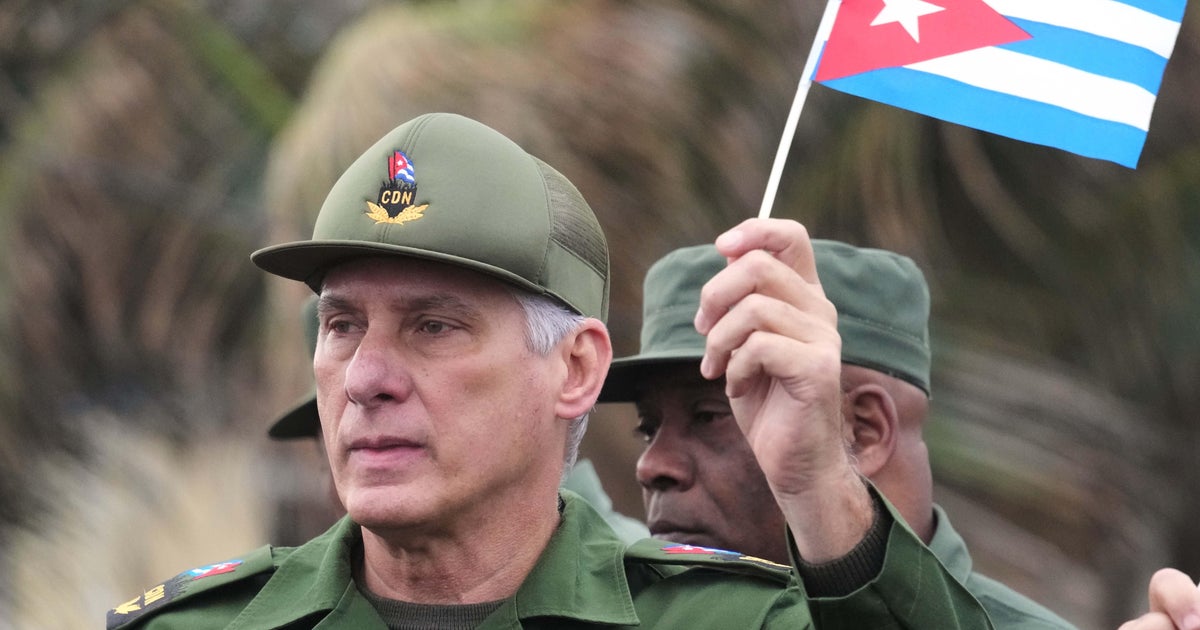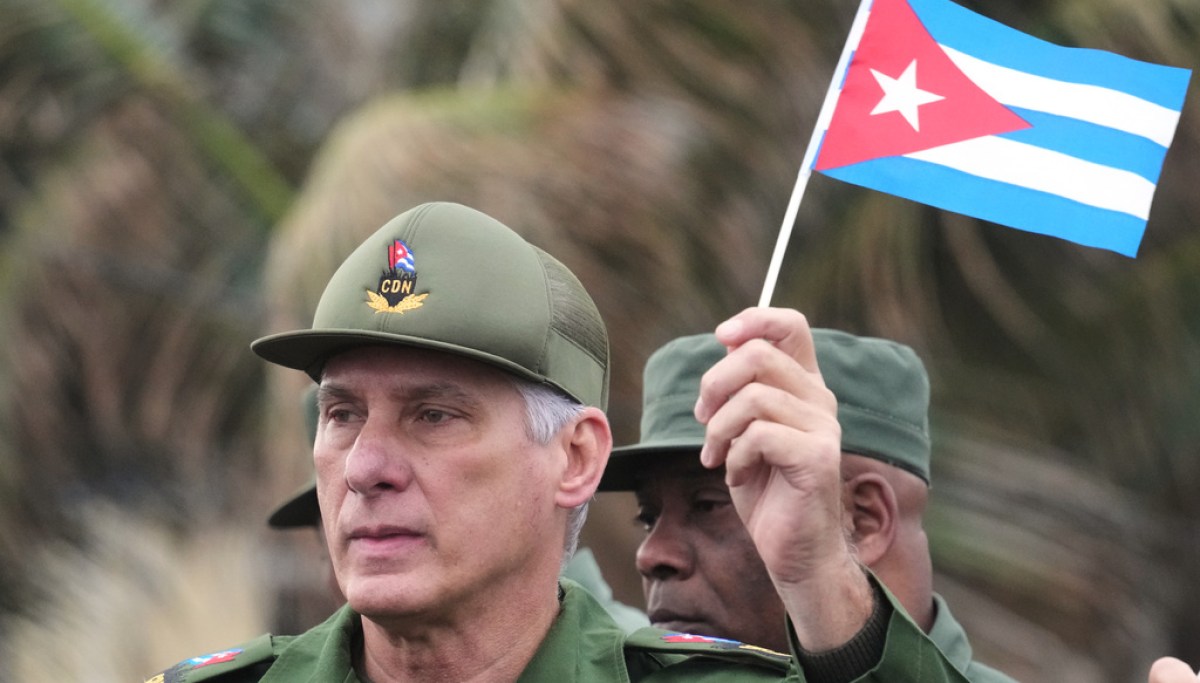



President Donald Trump has said the United States could take “imminent action” and do “whatever he wants” regarding Cuba, comments widely reported as a threat of potential intervention or escalation in pressure on Havana. Cuban President Miguel Díaz-Canel responded publicly, condemning Trump’s remarks as aggressive and warning that any attempt to force political change or “take” Cuba would face what he called “impregnable” or “unyielding” resistance, even as he acknowledged that diplomatic talks with Washington remain ongoing but far from any agreement. Across outlets, reports agree that this exchange comes amid a period of heightened U.S. sanctions and restrictions on fuel shipments to Cuba, which have contributed to severe energy shortages and a nationwide blackout lasting more than a day before power was partially restored.
Coverage also converges on broader structural context: Cuba is undergoing one of its deepest economic and energy crises since the collapse of the Soviet Union, with chronic fuel shortages, blackouts, and mounting public frustration. Both liberal and conservative sources note that Washington has tightened economic pressure in recent years, including measures aimed at constraining oil flows to the island, while Havana has simultaneously begun limited economic adjustments such as considering foreign investment in local companies and discussions of expanding renewable energy, though experts across the spectrum question whether these steps can quickly offset the immediate crisis.
Areas of disagreement
Causation and responsibility. Liberal-aligned outlets emphasize U.S. sanctions and deliberate oil-blockade-style measures as primary drivers of Cuba’s blackouts and economic distress, framing Trump’s “imminent action” comment as another escalation in a long-running policy of collective punishment. Conservative sources more often present the crisis as the product of decades of Cuban mismanagement and socialist economic failure, noting sanctions but treating them as only one factor among many or as a justified response to Havana’s behavior. While both sides acknowledge the severity of the shortages, liberals foreground external pressure, whereas conservatives foreground internal dysfunction.
Framing of Trump’s threat. Liberal coverage tends to cast Trump’s language about being able to do “whatever he wants” with Cuba as reckless, potentially illegal under international norms, and suggestive of regime-change ambitions or even talk of “taking” the island’s resources. Conservative outlets generally portray his words more ambiguously, as strong rhetorical pressure or a bargaining signal rather than a concrete plan for invasion or annexation, and they are less likely to dwell on legal or moral implications. This leads liberal pieces to stress danger and destabilization, while conservative reports lean into themes of leverage and deterrence.
Portrayal of Cuba’s leadership and public sentiment. Liberal sources often depict Díaz-Canel’s vow of “impregnable” or “unyielding” resistance as a nationalist, defensive response to external aggression, and sometimes highlight Cuban public anger at U.S. policies alongside frustration with shortages. Conservative coverage is more inclined to frame his rhetoric as regime self-preservation, portraying the government as authoritarian and out of touch, and it highlights segments of the population who see Trump’s pressure as a possible catalyst for political change. Thus the liberal narrative leans toward solidarity with Cuban sovereignty, whereas the conservative narrative stresses opposition to the ruling system.
Evaluation of policy options. Liberal-oriented reporting tends to treat further U.S. escalation as dangerously counterproductive, arguing that easing sanctions, supporting dialogue, and allowing Cuba more access to energy and investment would better serve humanitarian and regional stability goals. Conservative outlets, by contrast, often describe continued or intensified economic pressure as a legitimate tool to compel reforms or weaken an entrenched regime, with less emphasis on humanitarian downside and more on strategic opportunity. Liberal pieces underscore risks of interventionism and collective hardship, while conservative ones highlight the potential gains of maintaining a hard line.
In summary, liberal coverage tends to depict Trump’s “imminent action” language and sanctions as aggressive moves deepening a U.S.-made humanitarian and energy crisis in Cuba, while conservative coverage tends to frame his stance as firm but justifiable pressure on a failing authoritarian regime, with Cuba’s leadership and long-term mismanagement bearing the brunt of the blame.