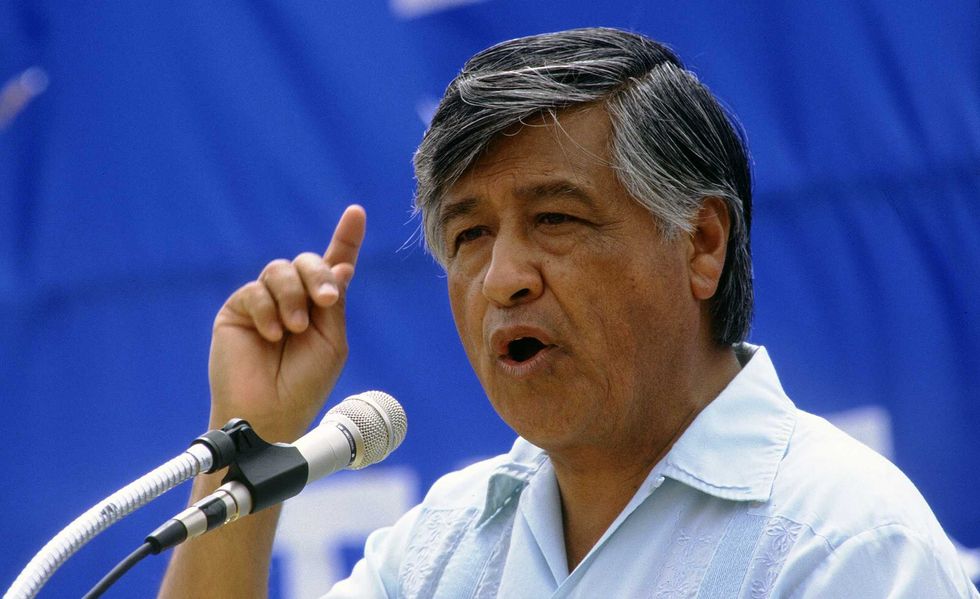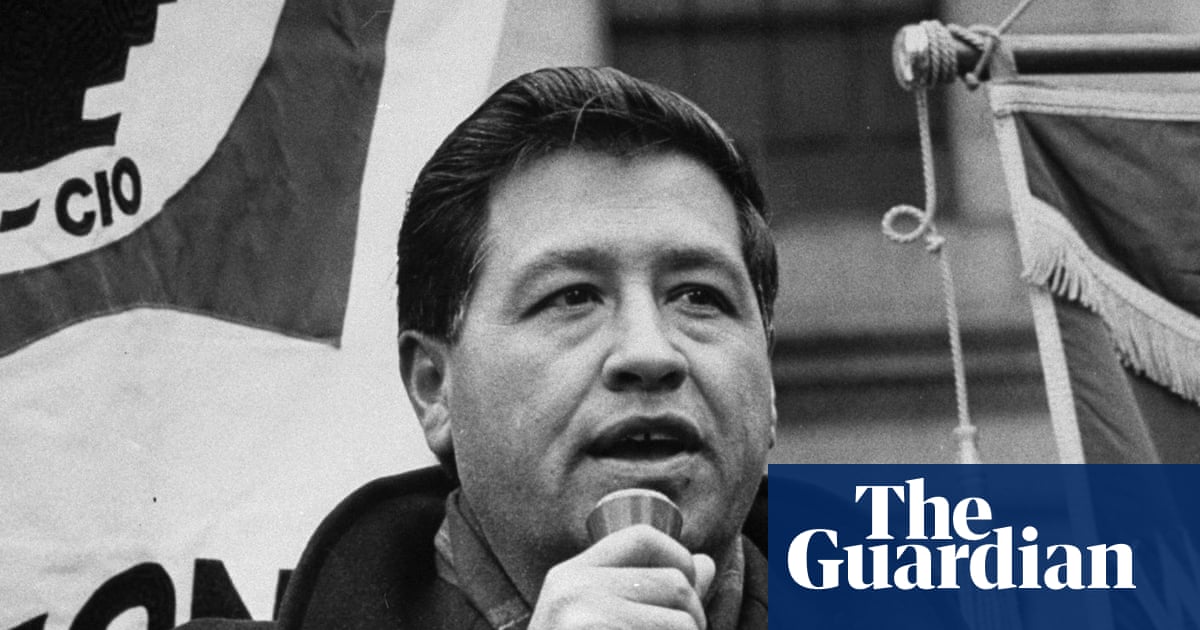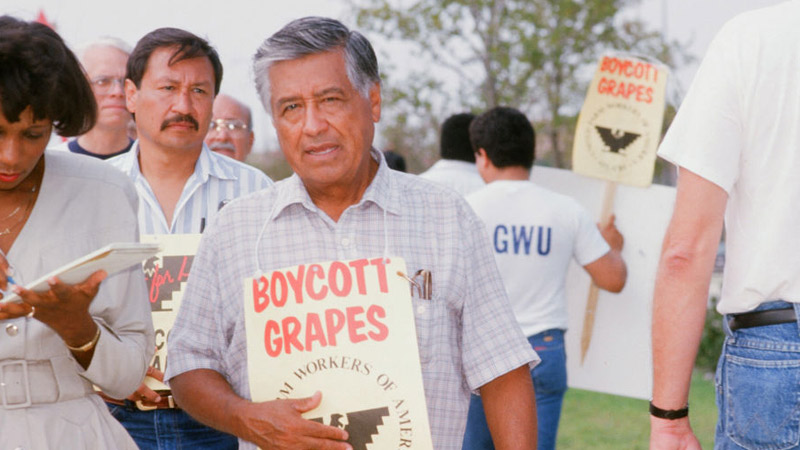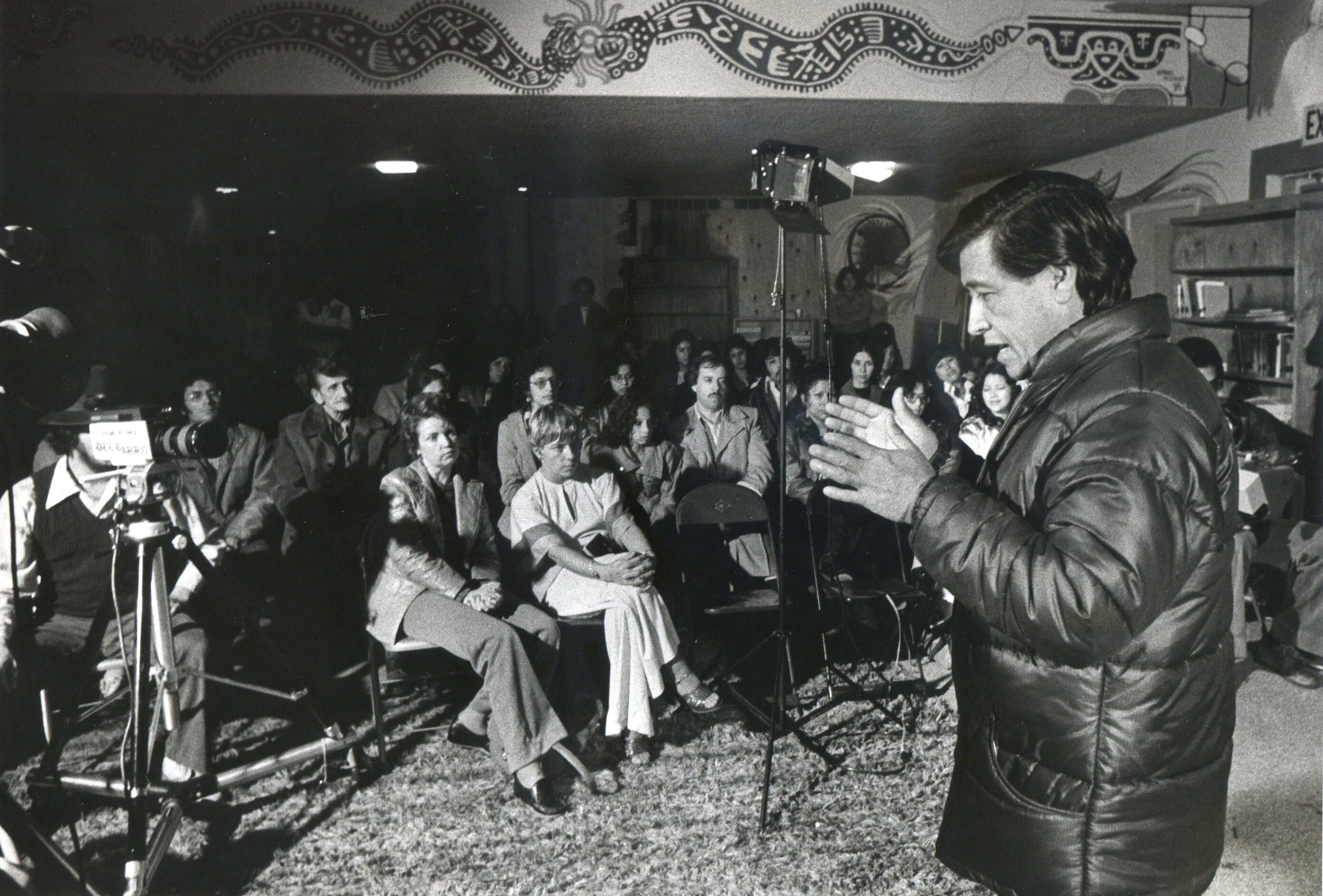

Multiple outlets report that a New York Times investigation detailed allegations that farmworker labor leader Cesar Chavez sexually abused and groomed young women and girls, including two named accusers, Ana Murguia and Debra Rojas, who say they were assaulted as minors. In response, the United Farm Workers union, which Chavez co‑founded, along with the Cesar Chavez Foundation and various state and local governments, have canceled, postponed, or renamed Cesar Chavez Day marches, birthday observances, and commemorative events across several states, including Arizona and others in the West, describing the allegations as profoundly shocking, troubling, and incompatible with their values.
Coverage across the spectrum notes that key figures in the farmworker and civil rights movement, especially Dolores Huerta, have publicly corroborated patterns of inappropriate behavior and emphasized the need to support survivors while separating the movement’s achievements from Chavez as an individual. Both liberal and conservative sources agree that these revelations have triggered a broader reassessment of Chavez’s legacy, prompted institutions that long honored him to reconsider how or whether to commemorate him, and raised questions about how social justice movements address historical abuses by revered leaders.
Areas of disagreement
Framing of Chavez and his legacy. Liberal-aligned outlets generally frame Chavez as a complex historical figure whose labor and civil rights achievements must now be reexamined in light of serious abuse allegations, stressing the need to decenter him rather than erase the broader movement. Conservative outlets more often describe him as a leftist or liberal icon whose fall from grace exemplifies the hypocrisy of his admirers, sometimes emphasizing that the scandal “deals a blow” to the left. While liberals foreground the pain of survivors and institutional accountability, conservatives foreground the collapse of a progressive hero’s moral standing.
Emphasis on survivor voices versus ideological symbolism. Liberal coverage centers detailed accounts from alleged victims and from Dolores Huerta, highlighting grooming dynamics, power imbalances, and the obligation of unions and community groups to believe and protect survivors. Conservative coverage tends to mention victims more briefly and instead dwells on the symbolic impact on “liberals” and “the left,” portraying the scandal as undermining progressive moral authority. Thus, liberals treat the story primarily as a sexual abuse and institutional reckoning narrative, whereas conservatives often recast it as a story about ideological embarrassment.
Characterization of institutional responses. Liberal sources portray the United Farm Workers and related organizations as engaging in a difficult but necessary process of canceling celebrations, rebranding events, and reevaluating commemorative practices to align with their professed values. Conservative sources note the same cancellations but sometimes frame them as the left “turning on” Chavez under pressure, suggesting that institutions long ignored or dismissed rumors until exposure made honoring him untenable. Liberals highlight reforms and introspection, while conservatives emphasize prior complicity and belated distancing.
Implications for broader movements. Liberal coverage uses the scandal to question the culture of icon-making in progressive movements, arguing that no leader should be placed beyond scrutiny and that future organizing should be less centered on singular heroic figures. Conservative coverage more often extrapolates from Chavez’s case to critique contemporary progressive causes, implying that other celebrated left-wing figures or movements may harbor similar unaddressed abuses. As a result, liberals focus on internal reform and survivor-centered practices, whereas conservatives stress ideological critique and the perceived fragility of progressive moral claims.
In summary, liberal coverage tends to frame the Chavez scandal as a survivor-centered reckoning within labor and civil rights movements, emphasizing institutional reform and a move away from hero worship, while conservative coverage tends to present it as the collapse of a prominent left-wing icon that exposes perceived hypocrisy and moral failure on the broader political left.
Story coverage