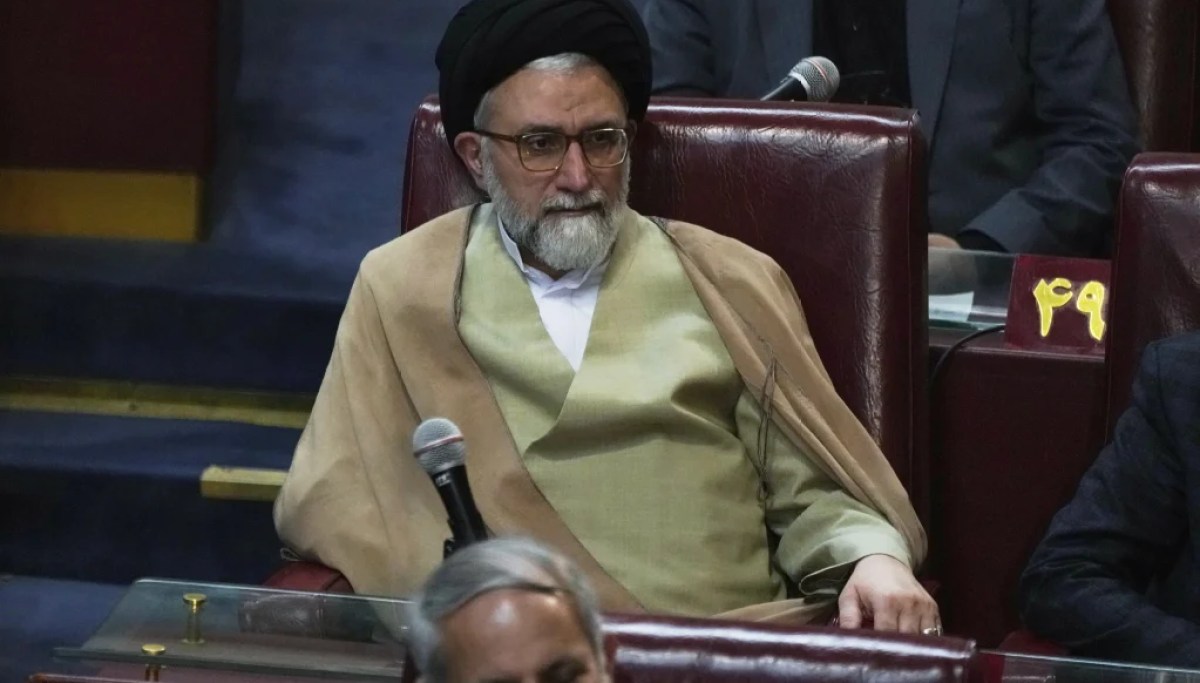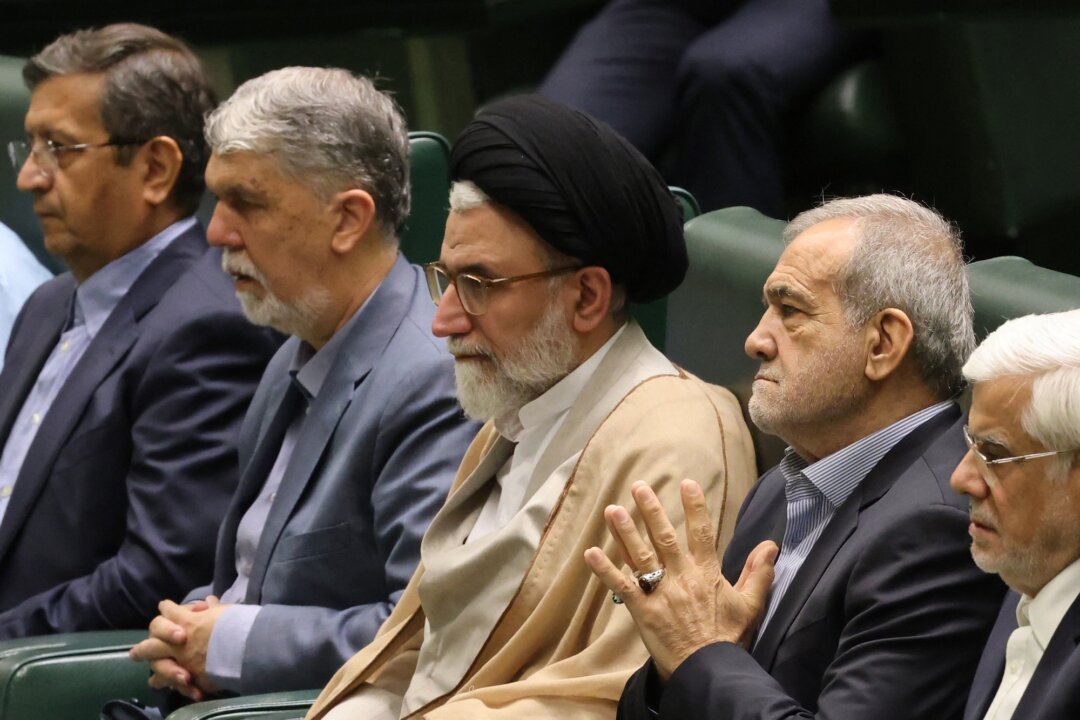



Israel and the Israel Defense Forces announced that an overnight airstrike in Tehran killed Iran’s intelligence minister, Esmaeil (Esmail) Khatib, describing him as the country’s top intelligence chief. Both liberal and conservative outlets agree that the strike took place in the Iranian capital and is part of a rapid series of assassinations or targeted killings of senior Iranian figures, including Ali Larijani and other security or military officials. Coverage also notes that Iranian President Masoud Pezeshkian publicly confirmed Khatib’s death along with several other senior officials and declared a period of mourning, signaling that Tehran acknowledges the losses even as it condemns the attack. Conservative reports additionally highlight that the same wave of strikes included the killing of Hamas commander Yahya Abu Labda in Gaza, and that Israel has framed these operations as precise blows to Iran’s security apparatus.
Liberal and conservative outlets concur that Khatib was a central figure in Iran’s internal security and intelligence structure, with responsibilities that included overseeing operations against domestic dissent and foreign adversaries. Both sides place the event within a broader campaign of reciprocal covert actions and targeted strikes between Israel and Iran, depicting it as part of a long-running shadow conflict that has recently intensified. They agree that the assassination of such a high-ranking intelligence chief represents a serious disruption to Iran’s security hierarchy and comes amid escalating regional tensions involving Iran-backed groups such as Hamas. There is also shared recognition that these killings risk further escalation, as Iran has already engaged in retaliatory actions in the region, and external actors like the United States and Gulf states are watching the fallout closely.
Areas of disagreement
Legitimacy and framing of the strike. Liberal-aligned coverage tends to describe the killing as an alleged Israeli assassination or targeted extrajudicial killing, emphasizing its gravity as a political assassination on foreign soil and tying it to a pattern of potentially destabilizing covert operations. Conservative outlets more often adopt the IDF’s language of a precise overnight strike or elimination, portraying it as a legitimate military or counterterrorism action against an enemy official. While liberals underline the breach of sovereignty and implications for international norms, conservatives foreground operational success and strategic necessity.
Characterization of Khatib and Iran. Liberal sources typically introduce Khatib primarily as Iran’s intelligence minister and senior official, focusing on his institutional role within the regime and the impact of his loss on Tehran’s leadership. Conservative reports go further in characterizing him as responsible for suppressing protests and backing terrorist activities against Israel and others, casting him as a key architect of repression and regional violence. Where liberal coverage emphasizes the hierarchy and political significance of his office, conservative coverage concentrates on moral culpability and portrays the strike as a blow against terrorism.
Escalation risks and regional fallout. Liberal-leaning outlets stress the danger that a string of high-level assassinations poses to regional stability, linking Khatib’s killing to Iranian retaliatory attacks, damage to energy infrastructure, and the potential for a broader conflict drawing in Gulf states and great powers. Conservative sources acknowledge retaliation but place more weight on the strategic benefits of degrading Iran’s security leadership and deterrence against future attacks, often casting escalation as a calculated risk Israel must take. Liberals tend to highlight humanitarian and diplomatic costs alongside energy-market vulnerabilities, while conservatives more often frame the episode within a necessary pressure campaign on Tehran.
Broader geopolitical narrative. Liberal coverage situates the incident in a cycle of covert warfare and mutual escalations, treating it as symptomatic of a wider failure to establish diplomatic off-ramps and emphasizing how repeated targeted killings can entrench hard-liners on all sides. Conservative outlets more frequently weave the story into a narrative of Iran’s malign regional activities and the need for robust Western and Israeli responses, sometimes connecting it to debates over US policy in the Gulf and protection of strategic waterways. While liberals stress systemic risks and international legal concerns, conservatives underscore power projection, alliance solidarity, and the message sent to Iran’s leadership.
In summary, liberal coverage tends to cast the killing of Esmaeil Khatib as a dangerous escalation within a volatile regional power struggle that raises legal and diplomatic alarm bells, while conservative coverage tends to present it as a justified, strategically valuable blow against a repressive and hostile regime whose actions demand firm military responses.
Story coverage