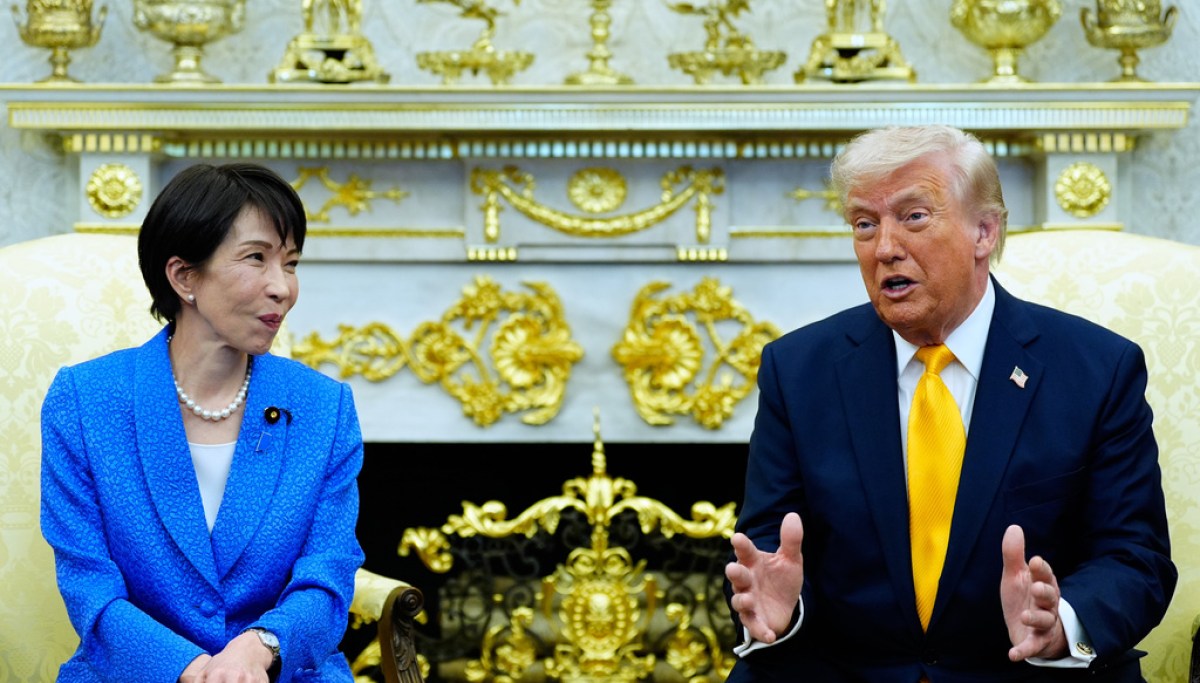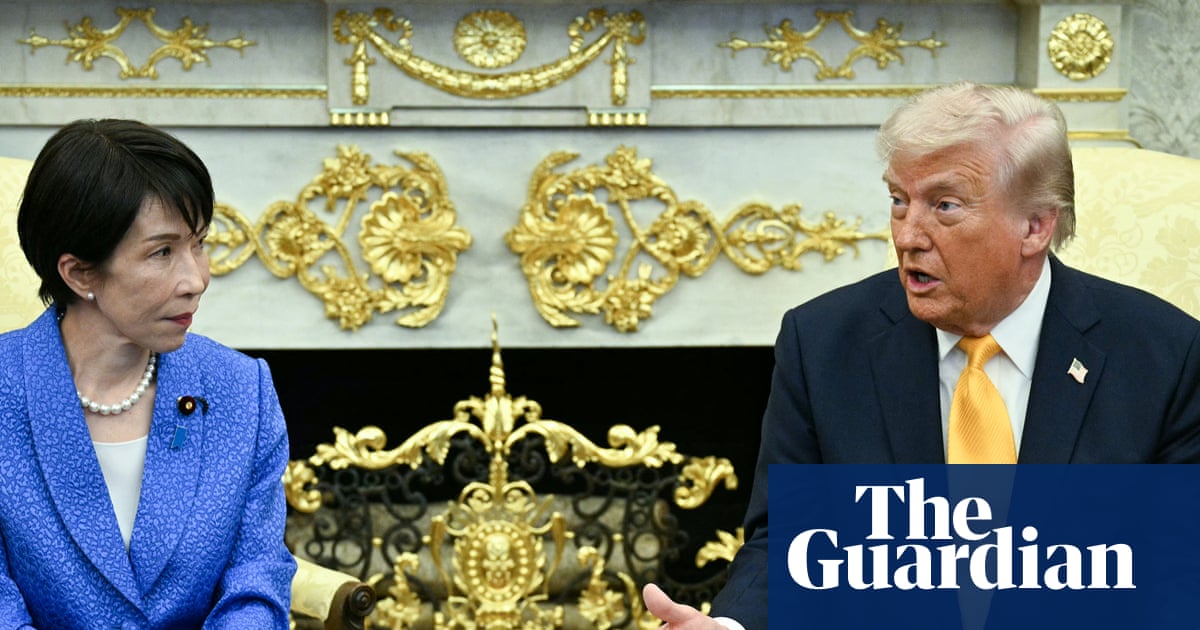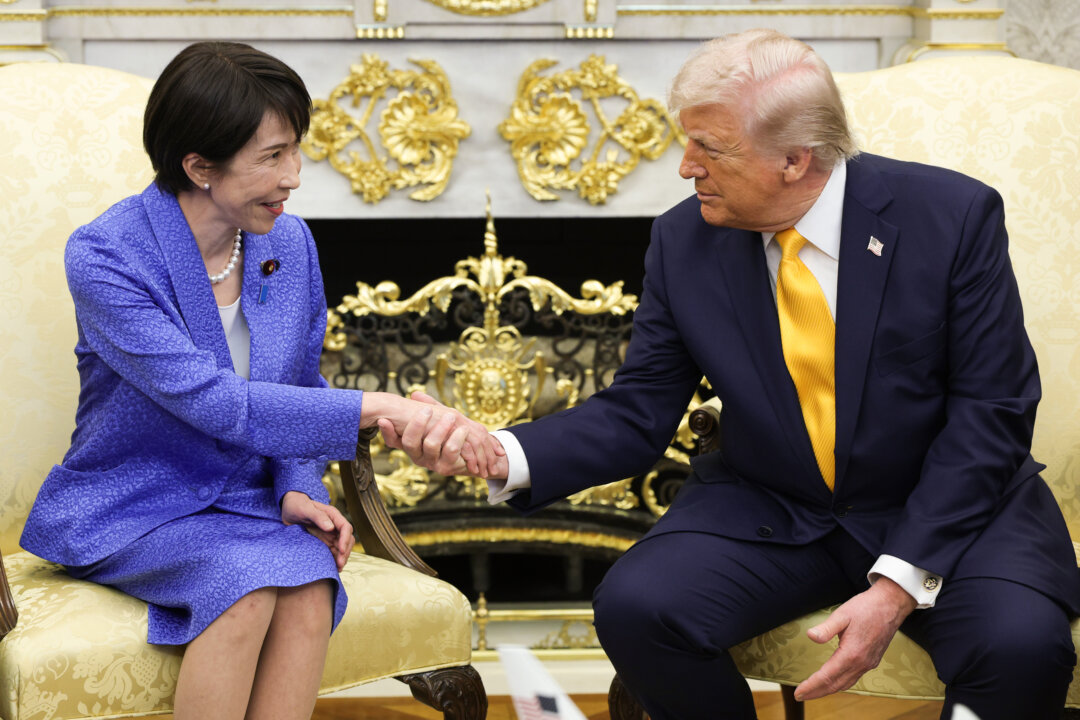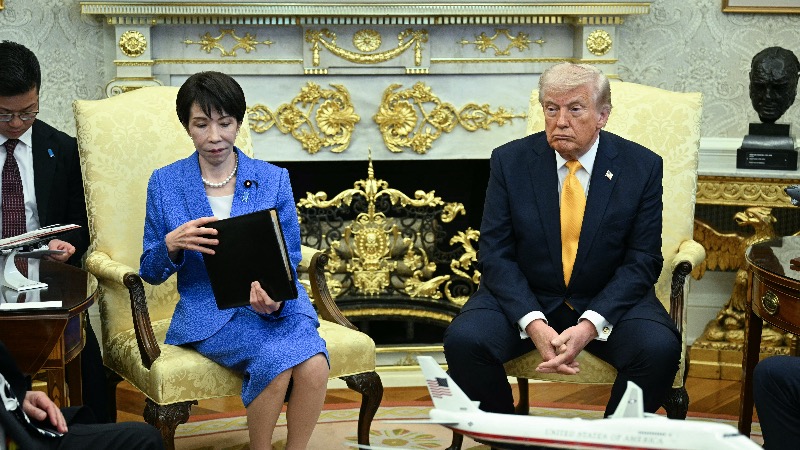



News coverage from both liberal- and conservative-aligned outlets agrees that during a White House meeting between President Donald Trump and Japanese Prime Minister Sanae Takaichi, Trump responded to a Japanese reporter’s question about why allies were not informed in advance about a surprise U.S.-led strike on Iran by invoking the 1941 attack on Pearl Harbor. In front of the press, he joked that “who knows better about surprise than Japan?” and followed by asking, “Why didn’t you tell me about Pearl Harbor?”; reports note that initial laughter in the room subsided after the remark. Both sides concur that Trump used the Pearl Harbor reference to justify keeping allies, including Japan, in the dark about the timing of the Iran operation, arguing that warning partners would undermine the element of surprise. Coverage also agrees that this moment went viral and became the headline highlight of the otherwise policy-heavy bilateral meeting focused on Iran, security in the Strait of Hormuz, and a large-scale nuclear energy cooperation package.
Outlets across the spectrum report that the meeting took place against the backdrop of an ongoing U.S.-Iran conflict, including Iranian strikes on energy infrastructure in Qatar and rising oil prices, and that Trump was seeking greater allied support to secure the Strait of Hormuz. Both liberal and conservative sources describe Japan as an important U.S. ally that is "stepping up" in the Iran war context, and they note that European NATO partners have been more hesitant or critical of U.S. actions. Coverage also converges on the fact that Trump and Takaichi announced a major $40 billion nuclear reactor deal aimed at building advanced small modular reactors in the United States, framed as an expansion of an earlier American-Japanese "Technology Prosperity" agreement worth hundreds of billions. Across outlets, there is agreement that the Pearl Harbor joke overshadowed much of the policy discussion in subsequent media attention, with the remark becoming a central point of international commentary about the meeting.
Areas of disagreement
Tone and offensiveness. Liberal-aligned coverage frames Trump’s Pearl Harbor remark as crass, embarrassing, or insensitive, stressing that laughter in the room died and highlighting critics who saw the joke as mocking a national trauma and a pivotal moment in U.S.-Japan history. Conservative-aligned outlets, by contrast, tend to describe the comment neutrally or as a lighthearted joke delivered while making a substantive point about military surprise, often emphasizing that some in the room laughed and downplaying broader offense. Liberal stories foreground discomfort and social media backlash, while conservative pieces either omit such reactions or mention them briefly without endorsing the criticism.
Emphasis on scandal vs. policy. Liberal sources center their coverage around the Pearl Harbor exchange itself, treating it as the defining feature of the meeting and only briefly noting the Iran context or nuclear energy deal. Conservative outlets, however, lead with policy angles such as Japan “stepping up” in the Iran confrontation, the need to protect the Strait of Hormuz, and the large nuclear reactor agreement, mentioning the Pearl Harbor remark as a colorful aside. As a result, liberal readers encounter the event primarily as another Trump controversy, whereas conservative readers are presented with a story about strategic alliance-building in which the joke is secondary.
Interpretation of Trump’s intent. Liberal-aligned reporting generally portrays the comment as either a gaffe or a deliberate provocation that trivializes historical suffering, framing Trump’s use of Pearl Harbor as an example of his disregard for diplomatic norms and sensitivities. Conservative-aligned coverage instead interprets his words as a pointed, if edgy, illustration of the logic of surprise in military operations, positioning the Pearl Harbor reference as an analogy rather than an attack on Japan. Where liberals highlight discomfort among observers and potential diplomatic awkwardness, conservatives emphasize Trump’s own explanation that secrecy was operationally necessary and treat the remark as part of his characteristic rhetorical style.
Historical framing and stakes. Liberal sources stress the symbolic weight of Pearl Harbor and allude to historical scholarship that contests drawing simple parallels between that attack and a modern U.S.-led strike on Iran, implying that Trump’s comparison is historically and morally misplaced. Conservative outlets are more likely to accept the analogy at face value as a shorthand for “surprise attack,” focusing less on historical nuance and more on the practical message that allies may be excluded from planning to preserve operational secrecy. Liberal coverage thus situates the joke within a broader pattern of what it sees as Trump’s misuse of history, whereas conservative coverage situates it within a narrative of tough-minded wartime decision-making.
In summary, liberal coverage tends to cast the Pearl Harbor remark as a tasteless gaffe that overshadowed the meeting and exemplified Trump’s insensitivity to history and diplomacy, while conservative coverage tends to fold the joke into a larger story of strategic cooperation with Japan, treating it as a colorful but peripheral illustration of the need for military surprise.
Story coverage