

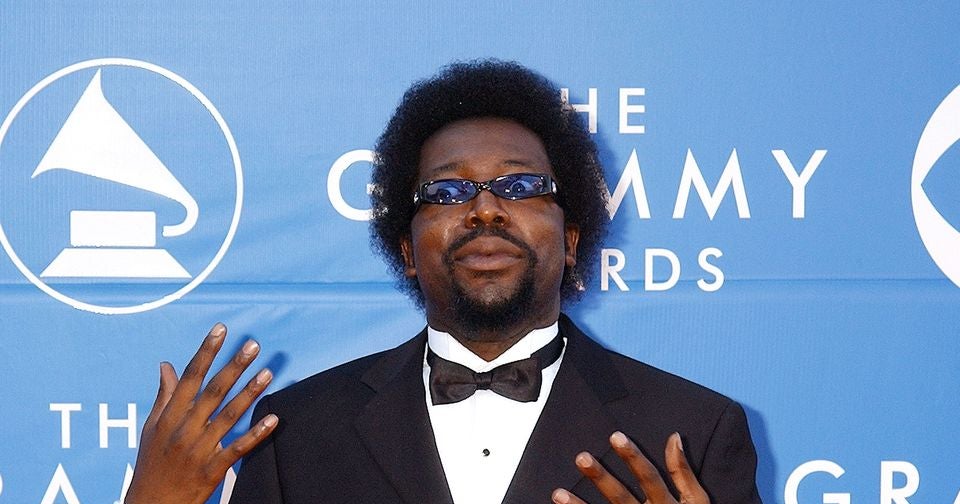
Grammy-nominated rapper Afroman won a defamation lawsuit brought by seven Ohio sheriff’s deputies over his use of home-security footage from a 2022 raid on his Ohio home in music videos and social media posts that mocked the officers. Both liberal and conservative outlets agree that the deputies claimed the videos subjected them to ridicule and harmed their reputations, sought monetary damages, and lost when a jury sided with Afroman, effectively finding that his conduct did not amount to defamation under the law. Coverage on both sides notes that Afroman incorporated images of the raid directly into his creative work, that the case centered on whether this use was legally protected expression, and that the verdict leaves the officers without the compensation they had demanded.
Liberal and conservative reporting both situate the case within the broader context of the First Amendment, acknowledging that the core legal question was whether an artist can freely use and criticize law-enforcement actions captured on his own property. They describe the lawsuit as part of a wider pattern of disputes over police accountability, viral media, and the use of real-world encounters with authorities as raw material for commentary and entertainment. Across the spectrum, outlets emphasize that the decision reinforces strong speech protections for creators when they comment on official conduct, and they frame the outcome as a notable example of courts defending expressive works that may embarrass or criticize public officials.
Areas of disagreement
Free speech framing. Liberal-aligned outlets portray the verdict as an emphatic win for First Amendment protections and artistic political speech, highlighting Afroman’s argument that he was speaking "for Americans" and using art to hold law enforcement to account. Conservative sources acknowledge the free-speech dimension but tend to treat it more narrowly as a straightforward legal outcome about what the Constitution allows in the use of surveillance footage. Liberal coverage leans into themes of civil liberties and resistance to official overreach, while conservative coverage more often presents the ruling as a specific instance of the courts clarifying the boundaries of defamation without celebrating it as a broader activist victory.
Portrayal of police. Liberal reporting generally casts the deputies as public officials trying to shield themselves from criticism, sometimes implying that their lawsuit was an attempt to intimidate or silence a critic after a controversial raid. Conservative outlets are more likely to describe the officers in neutral terms as plaintiffs seeking to protect their reputations after becoming the subject of viral mockery, without heavily questioning their motives. As a result, liberal pieces often foreground concerns about police power and accountability, whereas conservative coverage tends to frame the officers’ actions as a legitimate, if unsuccessful, recourse within the legal system.
Significance of the case. Liberal sources tend to frame the jury’s decision as symbolically important beyond Afroman himself, suggesting it sets or confirms a strong precedent for using official conduct in art and satire and may embolden other critics of law enforcement. Conservative coverage is more inclined to treat the case as a relatively contained dispute about one celebrity and one raid, offering less speculation about its broader impact on police-critic relationships or future litigation. This leads liberal narratives to emphasize potential ripple effects in activism and music, while conservative narratives focus more on the immediate parties and outcome.
Cultural and political resonance. Liberal-leaning outlets frequently connect the story to ongoing debates about policing, racial justice, and the role of artists in challenging state power, positioning Afroman’s work as part of a tradition of protest and social commentary. Conservative outlets, when they note cultural angles at all, more often frame the videos as entertainment or satire that happened to generate a legal dispute, rather than as a significant political statement. Consequently, liberal coverage embeds the verdict in a larger conversation about systemic reform, while conservative coverage tends to minimize overt ideological framing and treat it as a quirky legal news item involving a well-known musician.
In summary, liberal coverage tends to highlight the case as a broader victory for artistic protest, civil liberties, and police accountability, while conservative coverage tends to present it as a narrower legal decision about defamation and reputation with limited wider political resonance.
