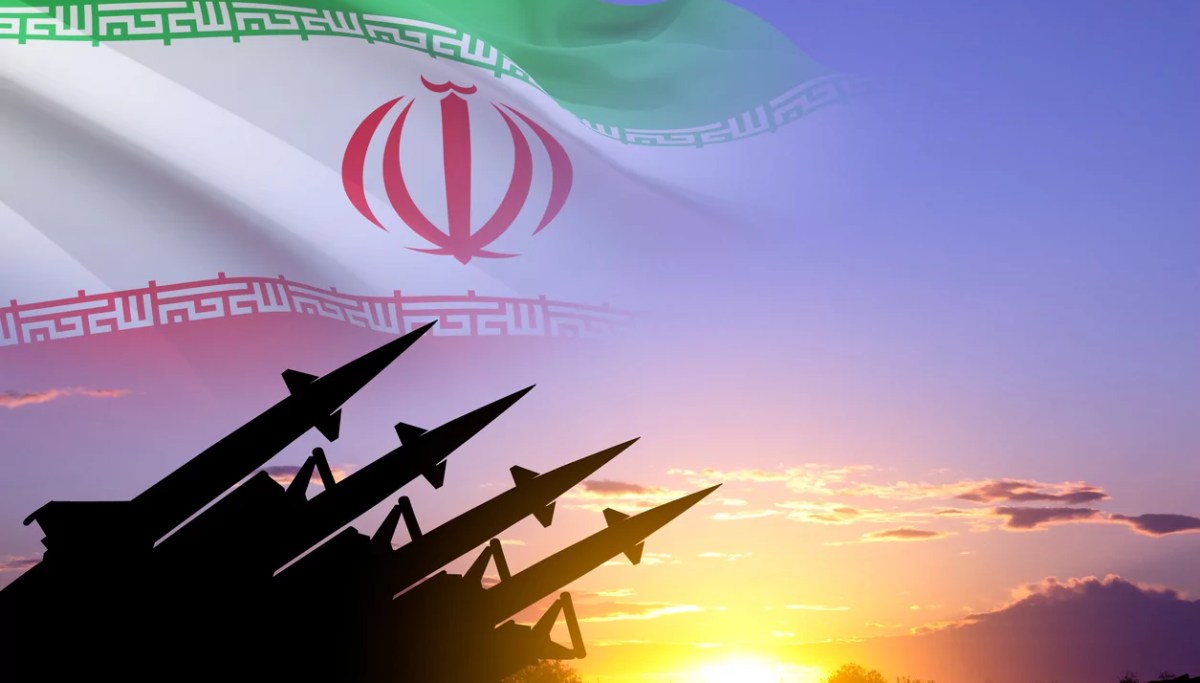

Iranian and international reports agree that Ali Mohammad Naini, a spokesman for Iran’s Islamic Revolutionary Guard Corps (IRGC), was killed in an overnight airstrike amid escalating military exchanges between Iran and Israel. Coverage broadly aligns that the strike occurred shortly after Naini had publicly commented on Iran’s ballistic missile capabilities in response to statements from Israeli Prime Minister Benjamin Netanyahu, and that his role involved official communications and information operations for the IRGC. Outlets also concur that this incident comes as part of a broader cycle of attacks and counterattacks in the Middle East, including Iranian missile launches toward Israel and heightened military posturing by the United States, which has deployed additional naval assets to the region.
Across the spectrum, there is agreement that the IRGC is a central institution in Iran’s security architecture, designated as a foreign terrorist organization by the United States and widely viewed as a key power center within Iran’s political and military system. Both liberal and conservative outlets frame Naini’s death within the ongoing confrontation between Israel, Iran, and their respective allies, tying it to long-running disputes over Iran’s missile and nuclear programs and its support for non-state armed groups across the region. Shared context emphasizes that the airstrike reflects growing concerns over regional war spillover, threats to Gulf energy infrastructure, and the broader risks to global markets and security, even as states like the U.S. attempt deterrence through military reinforcement and diplomatic engagement.
Areas of disagreement
Responsibility and intent. Liberal-aligned sources tend to treat responsibility for the airstrike more cautiously, often attributing the strike to “Israeli-led” or “U.S.-backed” operations and emphasizing the opacity of covert targeting decisions. Conservative outlets are more likely to state plainly that Israeli and, in some accounts, U.S. forces carried out the strike, underscoring deliberate targeting of a military propagandist. While liberal coverage highlights the ambiguity of command decisions and the potential for miscalculation, conservative coverage presents the killing as a clear, intentional move within a justified campaign to degrade Iran’s operational capabilities.
Framing of Naini’s role. Liberal-aligned reporting typically describes Naini as an IRGC spokesman or media official, stressing his function in state communications and hinting at questions over whether such a figure qualifies as a high-priority military target. Conservative outlets instead foreground his alleged role in spreading propaganda to support terror attacks, often adopting Israeli and U.S. security language that portrays him as an operational cog in regional aggression. The former tends to linger on civilian–military gray zones and international law implications, while the latter portrays the distinction as largely irrelevant given the IRGC’s designation and activities.
Escalation risks and proportionality. Liberal coverage generally focuses on the risk that targeted killings like Naini’s will fuel an escalatory spiral, stressing potential regional war, civilian harm, and the vulnerability of Gulf energy infrastructure. Conservative coverage emphasizes deterrence and proportional response, arguing that failing to strike such figures would embolden Iran’s missile and proxy campaigns. Where liberal sources often question whether the benefits outweigh the risks to stability and diplomacy, conservative sources argue that robust military action now is necessary to prevent greater conflict later.
U.S. involvement and policy implications. Liberal-aligned outlets are inclined to scrutinize possible U.S. operational involvement and strategic backing, tying the strike to debates over congressional oversight, war powers, and the Biden administration’s broader Middle East policy. Conservative reporting tends to depict U.S. support, including the deployment of additional warships, as overdue but necessary, criticizing what they see as earlier restraint or mixed signals toward Tehran. The former often warns of the U.S. being drawn into another open-ended conflict, while the latter frames assertive alignment with Israel against the IRGC as a cornerstone of credible deterrence.
In summary, liberal coverage tends to underscore uncertainty, escalation risks, legal and humanitarian concerns, and questions about the wisdom of striking a spokesperson-level figure, while conservative coverage tends to emphasize clear responsibility, the legitimacy and necessity of targeting IRGC personnel like Naini, and the importance of assertive U.S.-Israeli action to deter Iran and its proxies.