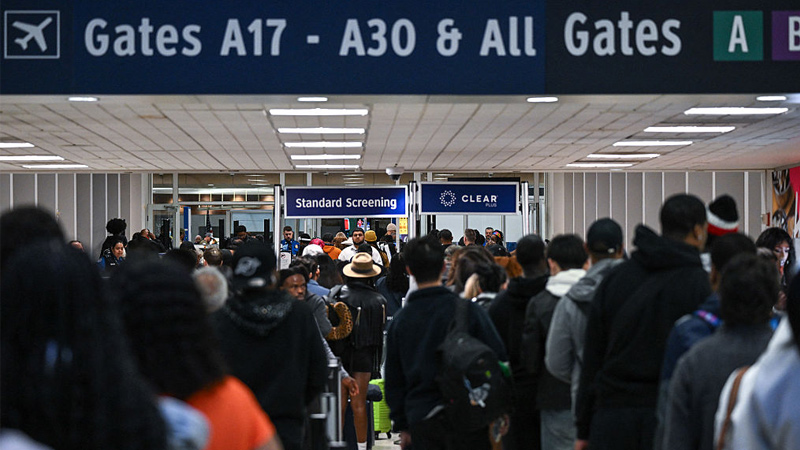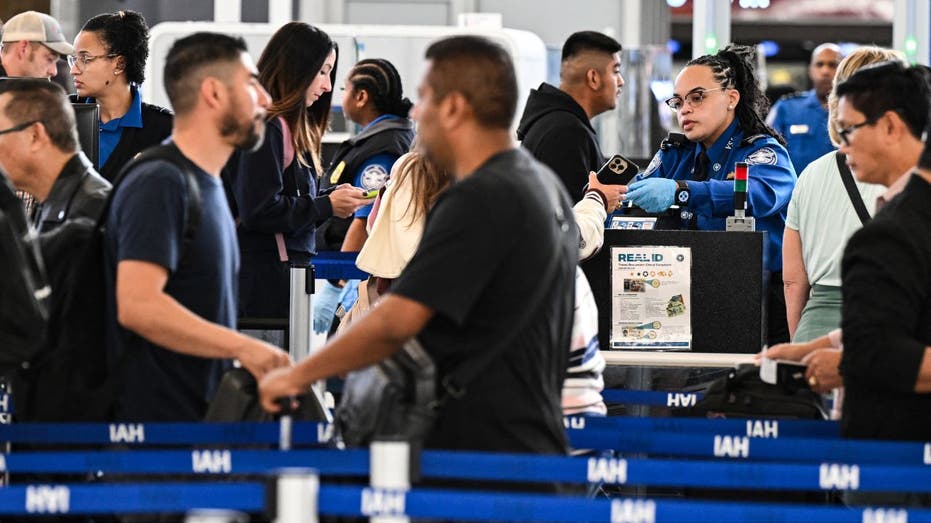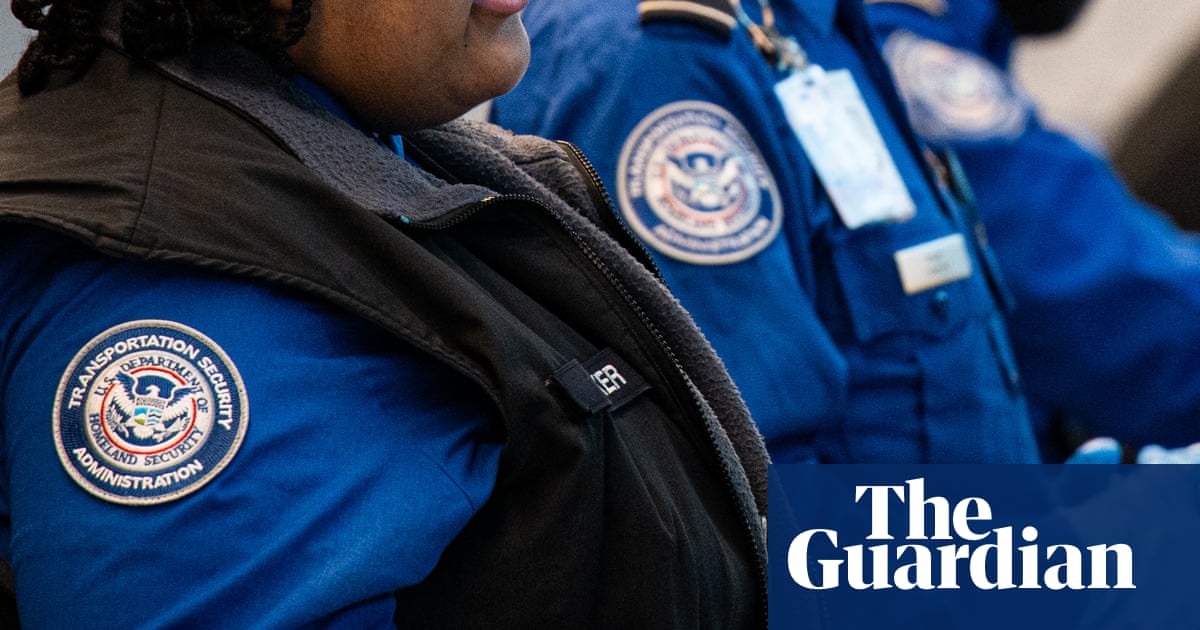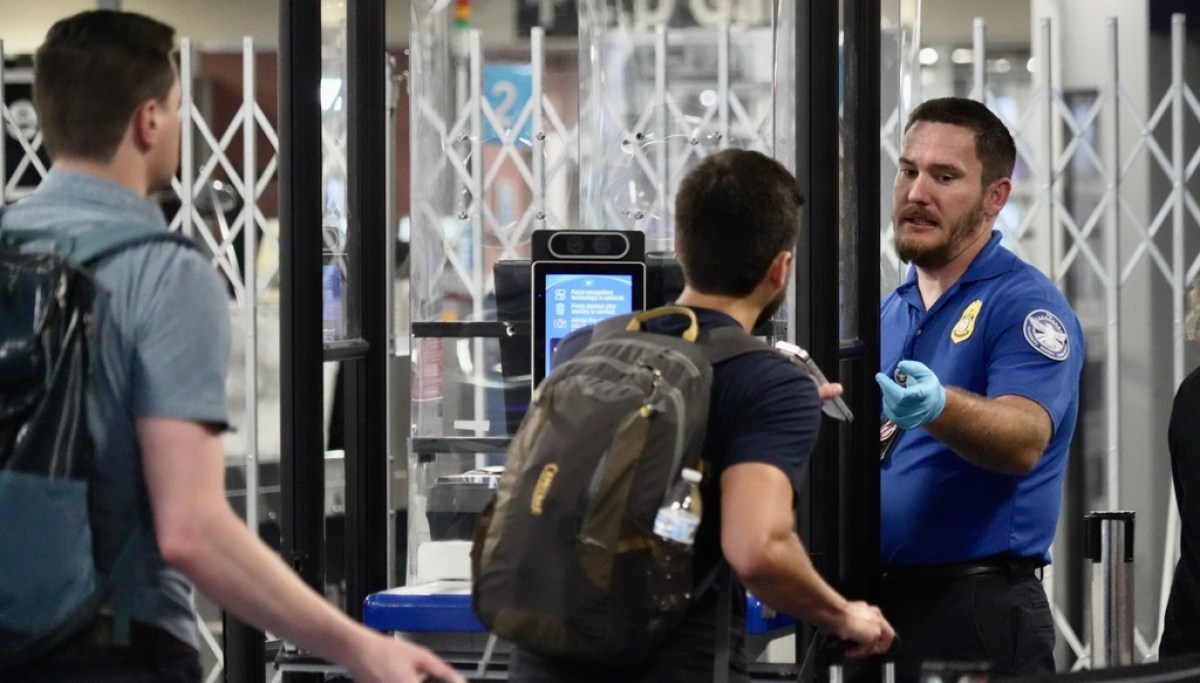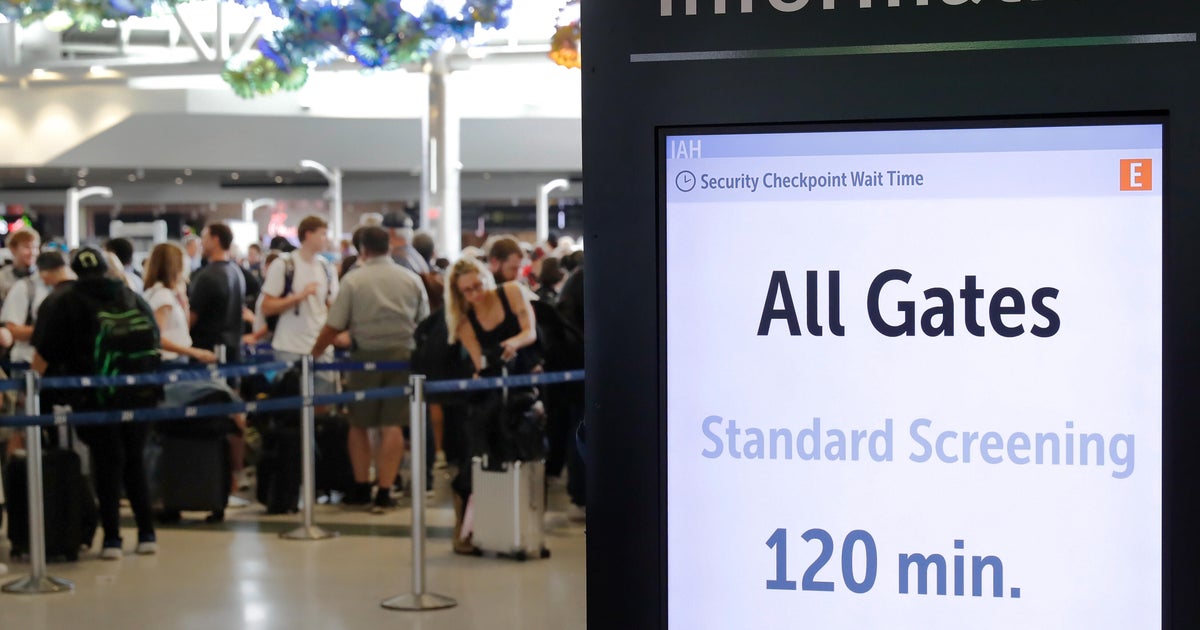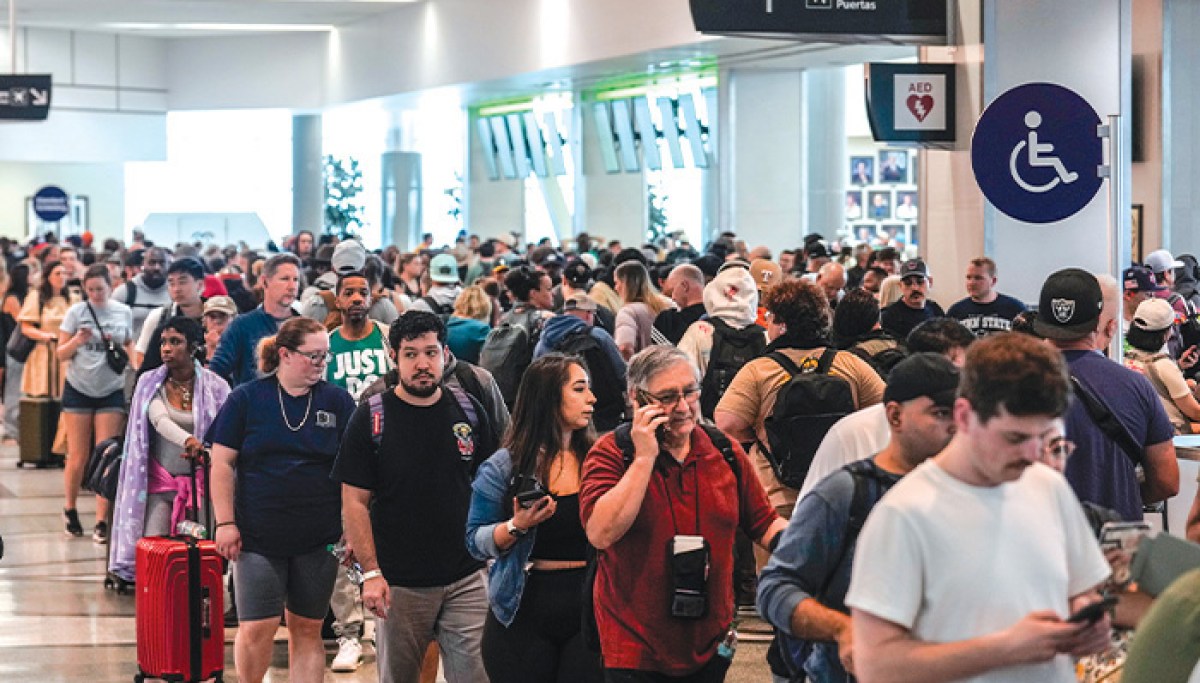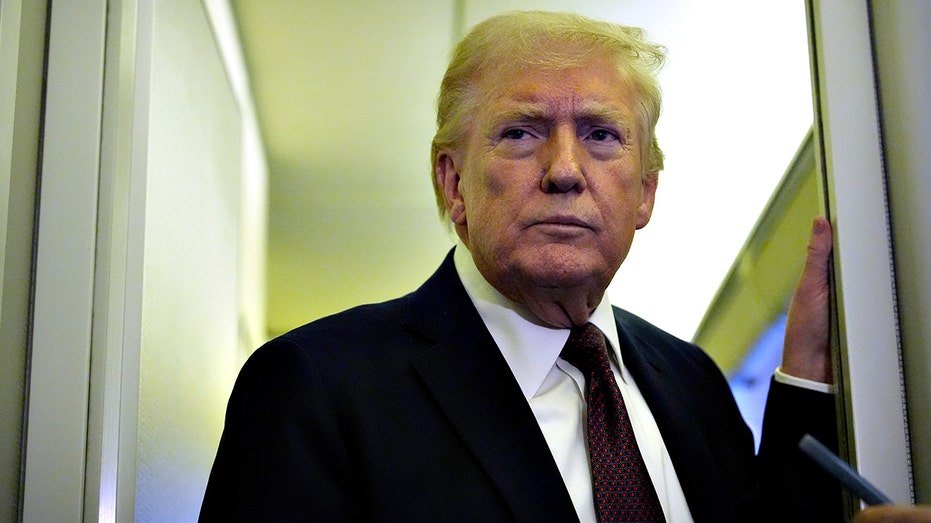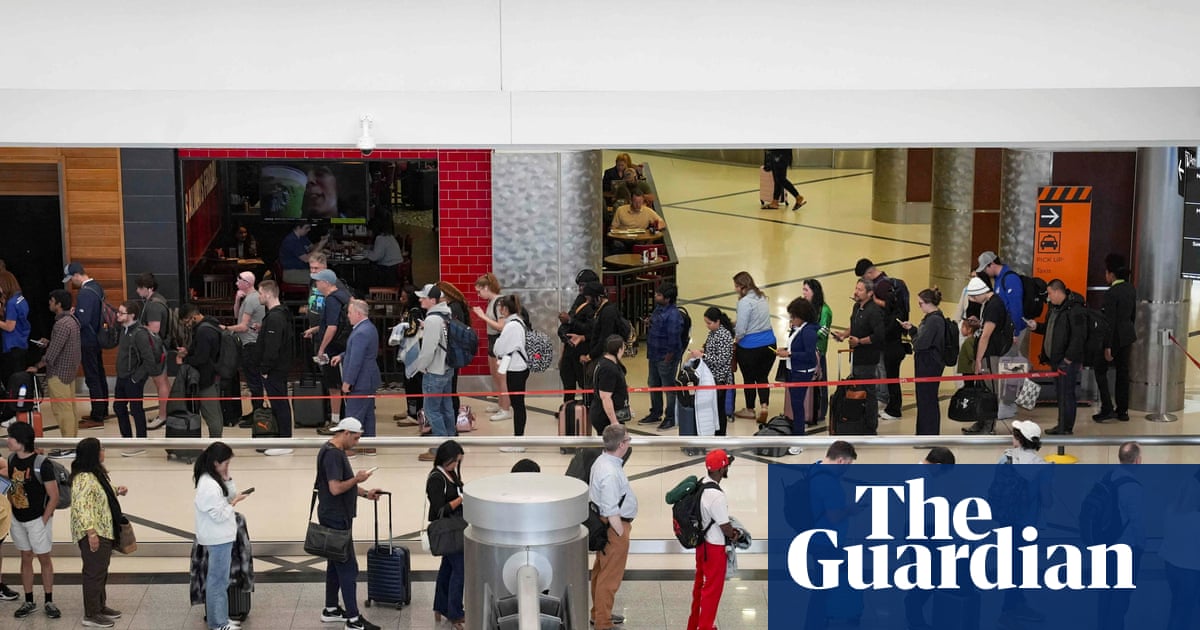





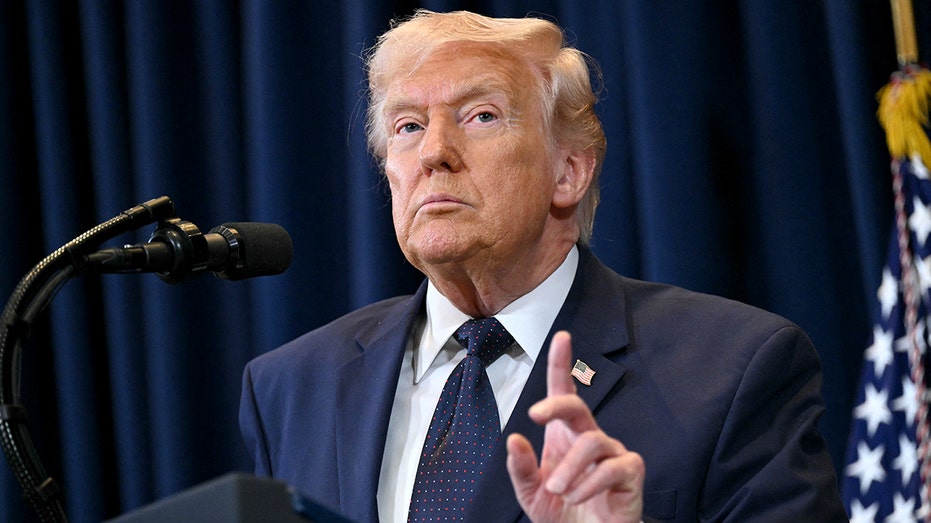
President Donald Trump has threatened, and in some accounts already directed, the deployment of Immigration and Customs Enforcement agents to U.S. airports starting Monday amid a partial Department of Homeland Security shutdown and a protracted funding standoff with congressional Democrats. Both liberal- and conservative-leaning outlets agree that TSA officers have been working without pay for weeks, with growing absenteeism, long security lines, and warnings that some smaller airports could be forced to reduce operations or close. Coverage across the spectrum notes that the White House is presenting ICE’s role as assisting or potentially replacing TSA personnel in certain functions, that details of their specific tasks are still being finalized, and that Elon Musk has publicly offered to cover TSA salaries during the impasse. Both sides also report that Trump has explicitly tied the move to increased arrest authority for undocumented immigrants at airports, and that key Democrats, including Hakeem Jeffries and Chuck Schumer, have sharply criticized the proposal alongside the TSA workers’ union.
Liberal and conservative outlets concur that the dispute is rooted in a broader political battle over DHS funding, immigration enforcement priorities, and conditions on how ICE and Customs and Border Protection operate. They describe Democrats as insisting on reforms or restrictions on immigration enforcement in exchange for reopening DHS, while Republicans push for what they call “clean” funding bills without those limits. Coverage across the board situates the ICE deployment threat in the context of an already stressed DHS workforce—roughly 100,000 employees and about 50,000 TSA officers affected—raising questions about morale, national security risks, and the integrity of airport screening. Both sides also highlight institutional friction: TSA’s specialized training requirements, union objections to substituting or supplementing screeners with ICE officers, and the legal and operational questions of using an enforcement-focused agency in front-line aviation security roles.
Areas of disagreement
Motives and responsibility. Liberal-aligned outlets frame Trump’s ICE deployment threat as political brinkmanship designed to coerce Democrats into accepting harsher immigration enforcement, blaming the president and Republicans for manufacturing a crisis by allowing DHS to lapse in funding. Conservative outlets, by contrast, depict Trump as responding to an existing security and staffing crisis created by Democratic refusal to fund DHS or accept the administration’s border and immigration demands, emphasizing their obstruction as the main cause of chaos at airports. Liberal stories emphasize that Democrats are seeking accountability and reforms on ICE practices, whereas conservative pieces stress that Democrats are prioritizing ideological opposition over public safety.
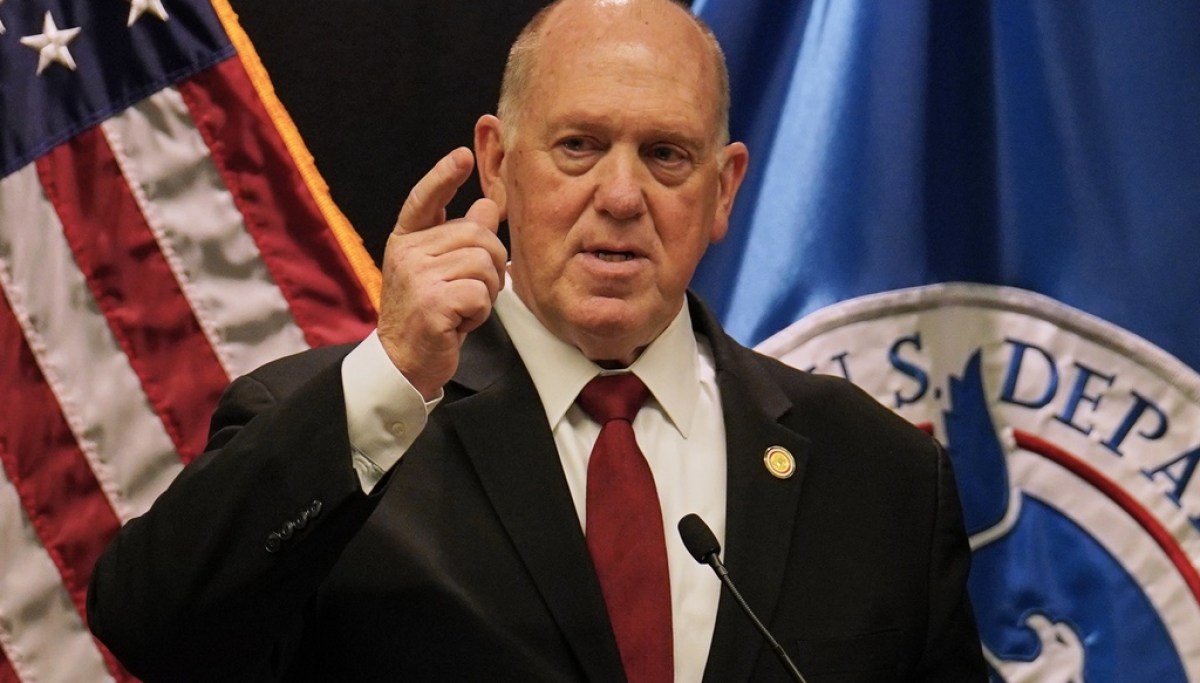
Security implications and competence. Liberal coverage highlights warnings from TSA unions, Democrats, and civil liberties advocates that ICE officers lack the specialized training needed for aviation security, suggesting their presence could cause confusion, rights violations, or even fatalities in crowded terminals. Conservative coverage leans on voices like Tom Homan and former DHS officials who describe ICE officers as highly trained law enforcement professionals capable of handling support roles, insisting they can alleviate pressure on unpaid TSA staff and bolster security. Liberal outlets stress prior allegations of civil rights abuses by ICE as a reason for caution, while conservative reports downplay those concerns and instead emphasize the risks of distracted, unpaid TSA officers and rising terror threats.
Framing of immigration and arrests. Liberal sources portray the emphasis on arresting undocumented immigrants at airports—including Trump’s mention of immigrants from Somalia—as evidence of nativist or racially charged politics that instrumentalizes airport security to target specific communities and intimidate travelers. Conservative outlets frame the same focus as a legitimate effort to enforce immigration laws more robustly, presenting airports as logical choke points to apprehend people who lack legal status and sometimes linking this to broader concerns about crime and terrorism. Liberal reporting tends to stress humanitarian and civil liberties concerns for immigrants and travelers, while conservative reporting underscores public safety, border control, and what they depict as long-overdue enforcement.
Depiction of unions and institutional backlash. Liberal coverage amplifies TSA union leaders and Democratic lawmakers who say “you cannot improvise” airport security and warn that inserting ICE into these roles will sow havoc and undermine professional standards. Conservative outlets acknowledge union criticism but frequently cast it as routine opposition to Trump or as turf-protection by organized labor, offsetting it with administration claims that ICE will only perform non-specialized tasks like guarding exits. Liberal stories treat union and institutional pushback as expert testimony about operational risk, whereas conservative stories more often balance or minimize it in favor of administration assurances and the urgency of keeping airports functioning.
In summary, liberal coverage tends to cast the ICE airport threat as a dangerous escalation in a partisan standoff that weaponizes immigration enforcement and undermines specialized aviation security, while conservative coverage tends to present it as a tough but pragmatic response to Democratic obstruction and a necessary step to maintain airport safety and enforce immigration laws.
Story coverage