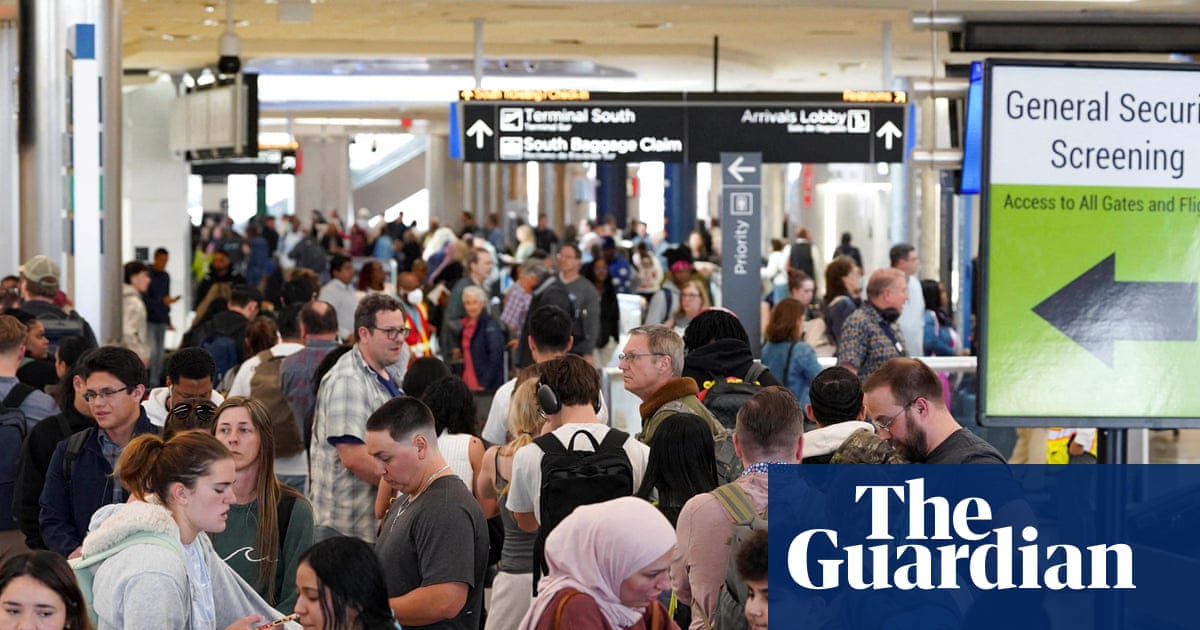


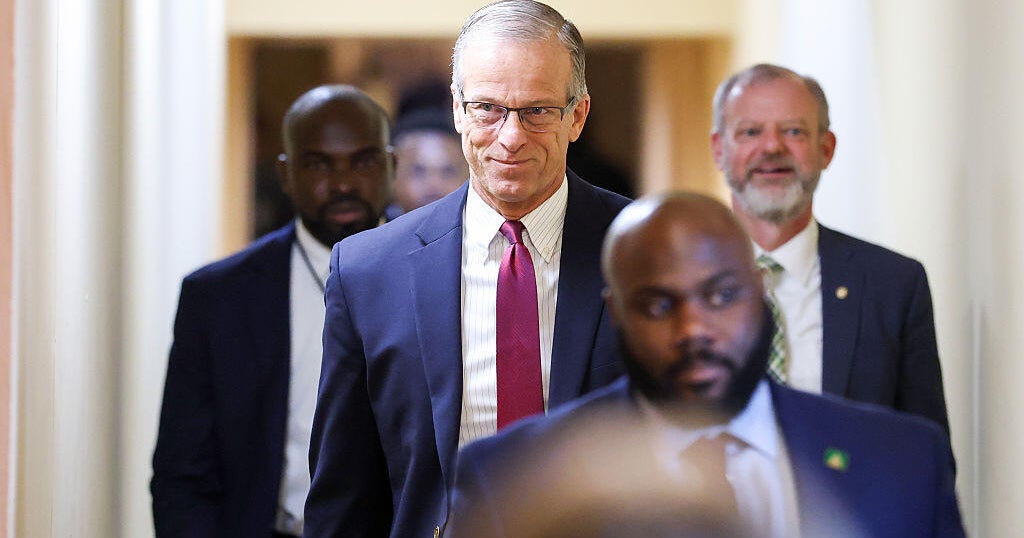
The Senate has failed for the fifth time to advance a bill to fund the Department of Homeland Security, with the latest cloture vote again falling short as negotiations with the White House and between party leaders continue. Both liberal- and conservative-leaning outlets agree that the impasse has kept at least portions of DHS unfunded since around mid-February, with particular attention on the resulting strain at airports where TSA officers are working without pay and long lines are reported. Coverage across the spectrum notes that Democrats are pressing for changes to immigration enforcement as a condition for broader DHS funding, while Republicans have rejected a narrower Democratic proposal to fund TSA alone, arguing it does not adequately address the department’s full needs. All sides describe this as a high-stakes standoff in the Senate, with concern mounting as lawmakers approach an Easter recess without a clear resolution.
Across outlets, there is broad agreement that the conflict centers on how to balance border and immigration enforcement priorities with the need to keep critical homeland security functions operating smoothly. Reports from both liberal and conservative sources describe an institutional tug-of-war between Congress and the White House over immigration policy, as well as internal Senate dynamics that have turned annual DHS appropriations into a recurring flashpoint. There is shared recognition that shutdown-like conditions at DHS carry serious operational risks, from airport security delays to potential vulnerabilities in broader homeland security missions. Coverage also agrees that bipartisan talks are ongoing, that neither party has yet secured a deal that can clear the 60-vote threshold in the Senate, and that leadership in both parties faces pressure to avoid a prolonged funding lapse that could further damage public confidence in Congress’s ability to govern.
Areas of disagreement
Responsibility and blame. Liberal-aligned outlets frame the repeated failure of the DHS bill as a shared breakdown, emphasizing that Republicans have blocked attempts to fund parts of the department and have rejected targeted fixes like TSA-only funding. They stress that Democrats are responding to what they see as flawed and overly harsh immigration enforcement practices, casting the standoff as a necessary stand for reform. Conservative outlets, by contrast, focus on Senate Democrats “blocking” DHS funding for a fifth time, portraying them as the principal obstacle to restoring full operations and suggesting they are holding security funding hostage to policy demands.
Immigration policy leverage. Liberal coverage describes Democrats’ insistence on immigration enforcement changes as a push to rein in practices they consider abusive or ineffective, arguing that the funding debate is one of the few pressure points available to force reform. These outlets tend to treat policy conditions on DHS money as a legitimate tool of oversight, with emphasis on protecting migrants’ rights and adjusting enforcement priorities. Conservative coverage characterizes the same strategy as reckless brinkmanship, asserting that Democrats are using border security funding as leverage to weaken enforcement and implying that security operations should not be tied to controversial policy overhauls.
Characterization of the security risk. Liberal sources highlight airport disruptions and unpaid TSA officers as tangible consequences, but generally stress that Democrats have proposed at least temporary or partial funding to ease immediate pain while talks continue. They warn about operational strain yet suggest that targeted measures can mitigate the worst effects if Republicans cooperate. Conservative sources lean into the broader homeland security risk, implying that Democratic obstruction could endanger national security more generally and downplaying the adequacy of piecemeal fixes like TSA-only funding as insufficient to cover DHS’s full mission set.
Portrayal of negotiations and motives. Liberal-aligned reporting underscores ongoing bipartisan talks and suggests Republicans are also using the crisis to score political points on immigration, portraying both parties as engaged in a power struggle but with Democrats cast as pursuing substantive policy change. They often depict the White House and Republican senators as resistant to reforms that advocates say are overdue. Conservative outlets, meanwhile, depict negotiations as hampered primarily by Democratic inflexibility, implying that the White House and Republicans are more focused on restoring funding and maintaining strong enforcement, and that Democrats are driven largely by ideological opposition to current immigration policies.
In summary, liberal coverage tends to depict the funding failure as a shared partisan standoff in which Democrats are legitimately using appropriations to seek immigration enforcement reforms and proposing targeted fixes to protect frontline workers, while conservative coverage tends to emphasize Democratic obstruction as the central cause of the DHS funding lapse and portray their policy demands as irresponsible leverage that undermines border and national security.
Story coverage