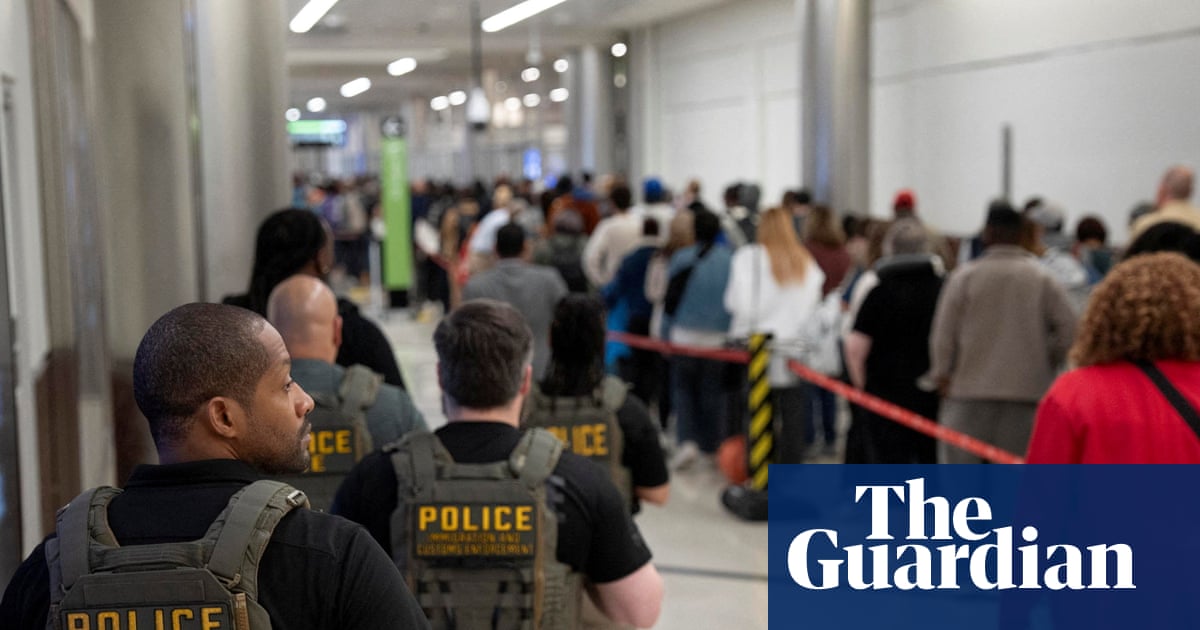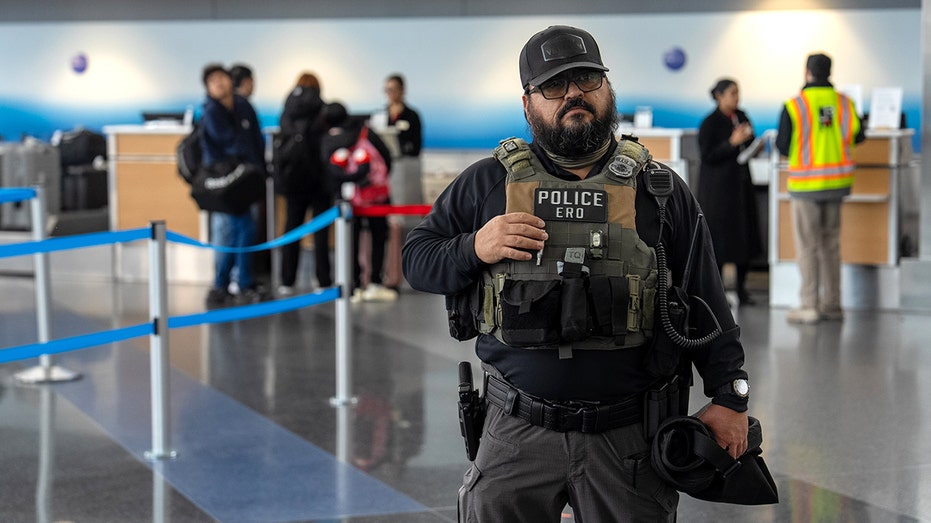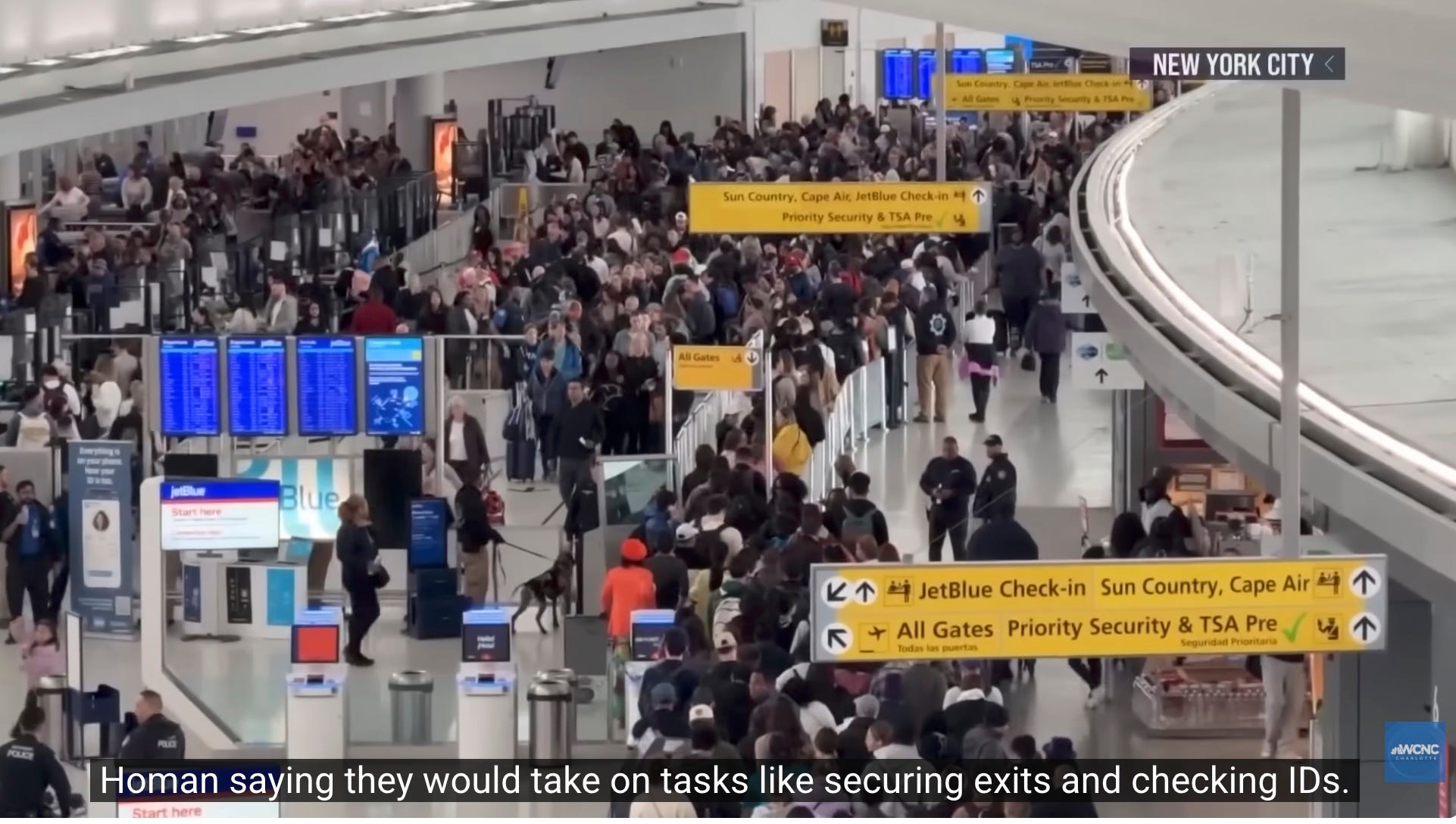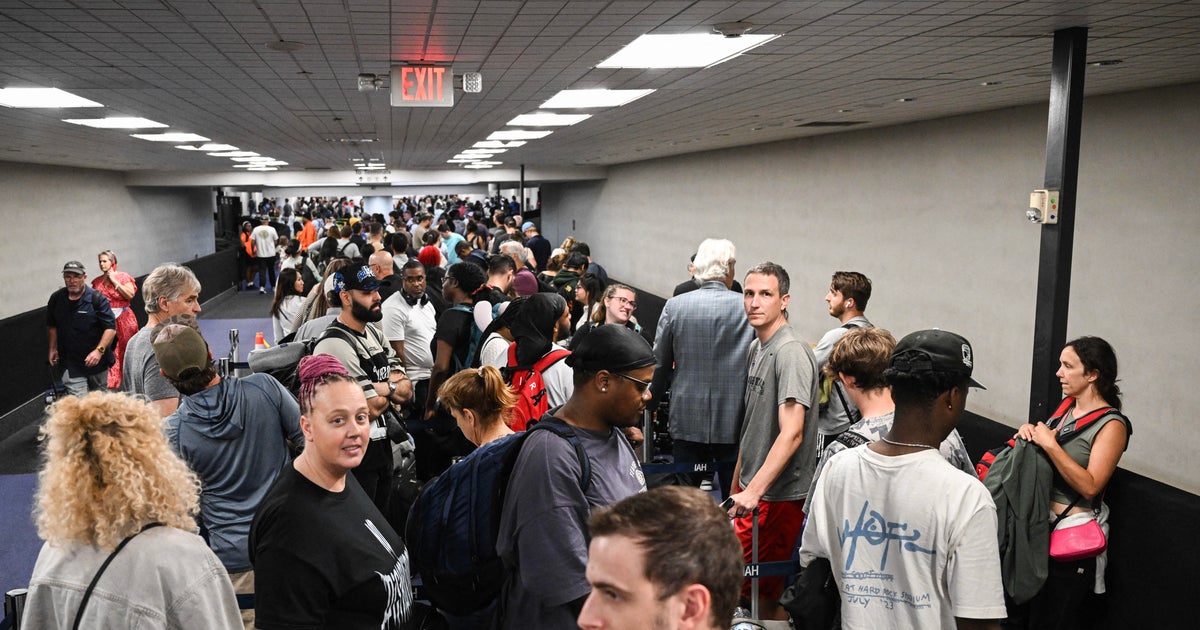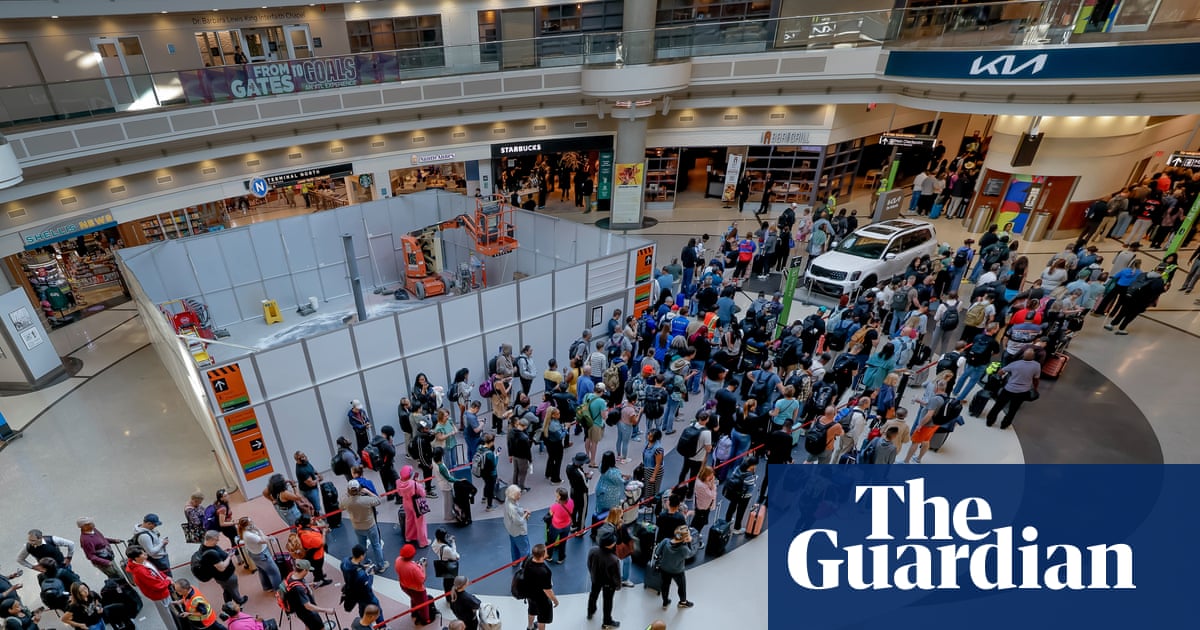



Thousands of Transportation Security Administration officers have gone unpaid for weeks amid a Department of Homeland Security funding lapse and partial shutdown, leading to high sick-out rates, hundreds of resignations, and severe staffing shortages at airport security checkpoints. Both liberal and conservative outlets agree that the White House responded by deploying Immigration and Customs Enforcement and other Homeland Security agents to roughly 14 U.S. airports to help manage security lines, which in many places had stretched to hours-long waits affecting millions of travelers. Coverage across the spectrum notes that Democrats have opposed the administration’s broader shutdown strategy and related demands, and that the ICE deployment has been politically controversial even as some airports later reported improved throughput. There is also shared reporting that Trump personally weighed in on how ICE officers should present themselves at airports, including visible decisions like instructing some not to wear masks in terminals.
Across outlets, coverage situates the airport disruptions within the broader institutional tug-of-war over DHS funding, immigration enforcement, and the scope of presidential leverage during a shutdown. Both sides describe the TSA as under acute strain due to missed paychecks and low morale, and characterize ICE as an agency whose core mission is immigration enforcement rather than aviation security, raising questions about training and role boundaries. Reporting converges on the idea that the airport situation became a visible symbol of the political stalemate in Washington, with TSA unions, congressional negotiators, and the White House all using the chaos at checkpoints as evidence for their preferred policy solutions. Both liberal and conservative sources acknowledge that whatever its political framing, the ICE deployment was an extraordinary and improvised measure, highlighting vulnerabilities in how U.S. airport security depends on continuous federal funding and specialized staffing.
Areas of disagreement
Responsibility and blame. Liberal-aligned coverage overwhelmingly portrays Trump and Republican leaders as directly responsible for both the DHS shutdown and the ensuing TSA staffing crisis, emphasizing Trump’s refusal to sign funding without immigration and election-related concessions as a deliberate act of hostage-taking. Conservative coverage spreads blame more broadly, highlighting Democratic resistance to the administration’s policy demands and presenting the impasse as a partisan standoff rather than a one-sided decision. Liberals frame the shutdown as a reckless choice that predictably triggered security breakdowns, while conservatives tend to describe it as a tough bargaining tactic in a legitimate policy dispute.
Effectiveness of ICE deployment. Liberal sources describe the deployment of ICE agents as chaotic, largely unhelpful, and in some cases counterproductive, noting reports that long lines persisted or worsened and stressing that ICE officers lack specialized TSA screening training. Conservative outlets, by contrast, showcase examples and data points where wait times reportedly fell after ICE arrived, framing the move as a pragmatic step to stabilize airport operations. Liberal stories foreground union criticism and worker accounts that ICE’s presence hurt morale and confused roles, while conservative stories emphasize any measurable throughput improvements and depict the deployment as evidence of the administration taking action under difficult circumstances.
Security and civil liberties concerns. Liberal coverage raises alarms that moving ICE into airport checkpoints blurs the line between transportation security and immigration enforcement, potentially intimidating travelers and increasing the risk of rights violations or profiling. Conservative coverage generally downplays these concerns, treating ICE officers as law-enforcement professionals whose presence is unlikely to materially change civil liberties risks beyond existing airport security practices. Liberals stress that untrained agents at checkpoints could create both security gaps and abuses of authority, whereas conservatives emphasize order, deterrence, and the importance of visible enforcement personnel.
Motives and optics of the move. Liberal outlets often frame the ICE deployment and related gestures, such as Trump asking agents to go maskless, as political theater aimed at projecting toughness and normalcy rather than genuinely solving operational problems. Conservative outlets, while sometimes acknowledging awkward optics, portray the same moves as attempts to maintain public confidence in air travel and to use available personnel flexibly during an emergency. Liberals interpret the decisions as prioritizing image and ideological messaging over worker safety and sound policy, whereas conservatives cast them as hard-edged but necessary leadership choices in an unprecedented shutdown.
In summary, liberal coverage tends to depict the ICE deployment as a politically driven, unprofessional, and rights-threatening response to a self-inflicted shutdown crisis, while conservative coverage tends to frame it as a contentious but ultimately practical effort to keep airports functioning and demonstrate decisive leadership under partisan pressure.
Story coverage