

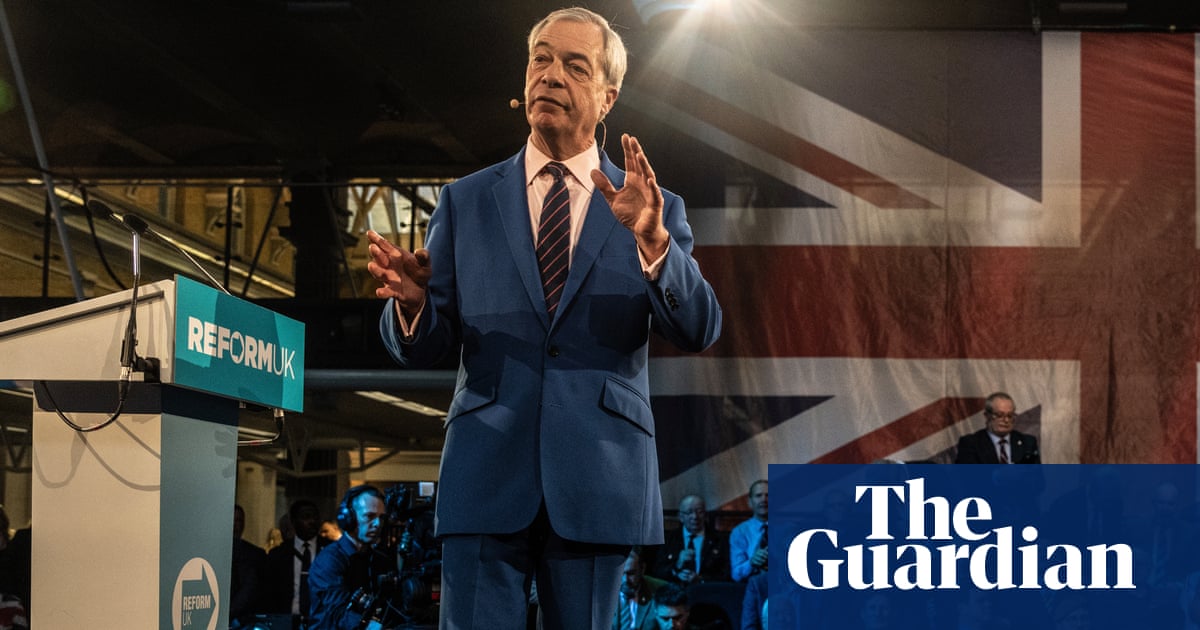
UK coverage from both liberal- and conservative-aligned outlets agrees that the government has moved to ban cryptocurrency donations to political parties across the country, as part of a broader package presented by Prime Minister Keir Starmer to address threats to UK democracy. Reports concur that the measure is framed as targeting illicit finance and potential foreign influence, and that it will require approval by MPs and be applied on a backdated basis once enacted, with the same rules binding all major parties including Labour, Conservatives, and Reform UK.
Liberal and conservative sources alike describe the reform within a shared institutional context of tightening political finance rules, especially around overseas money and opaque digital assets. Both sides situate the ban within a longer-running concern about foreign interference in democratic processes and the difficulty of tracing the origin of crypto funds, presenting it as part of a broader modernization of electoral law. They agree that the stated rationale is to close loopholes before they can be exploited at scale, and that the package is meant to restore or bolster public confidence in the integrity of UK elections and party funding.
Areas of disagreement
Democratic threat framing. Liberal-aligned outlets tend to echo the government’s language about an urgent and systemic threat to democracy, emphasizing the risk of opaque or offshore funding channels and highlighting the measure as a necessary defense. Conservative-aligned coverage also notes the democracy-protection rationale but is more likely to frame it in narrower terms of curbing illicit finance and potential foreign influence, leaving more room for skepticism about how immediate or large-scale the threat is. While liberals stress the severity and immediacy of the risk, conservatives more often cast it as a prudent but debatable tightening of rules rather than an emergency response.
Partisan impact and targeting. Liberal sources give more attention to how the cap on overseas political funding and the crypto ban may affect parties perceived as more reliant on non-traditional or foreign-linked funding, explicitly naming Reform UK as a likely loser from the reforms. Conservative outlets, by contrast, frame the changes in more generic terms as applying uniformly to all political parties, downplaying or omitting discussion of whether specific right-leaning parties are disproportionately impacted. This creates a split in emphasis, with liberal coverage more openly treating the reform as closing avenues used by newer populist parties, while conservative coverage avoids framing it as singling out any particular political force.
Government motives and tone. Liberal-aligned reporting generally presents the move as a principled attempt by Starmer’s government to clean up politics and modernize regulation in line with technological change, often stressing reformist intent. Conservative coverage is somewhat more reserved about the government’s motives, acknowledging the security rationale but being more inclined to note the political optics of a new Labour government swiftly altering funding rules. As a result, liberals tend to highlight good-governance and anti-corruption motives, whereas conservatives raise more implicit questions about power consolidation and the potential for partisan advantage.
Regulatory scope and innovation. Liberal coverage often portrays the crypto ban as a logical extension of broader efforts to regulate opaque financial instruments and overseas donors, suggesting that robust oversight outweighs concerns about innovation. Conservative-aligned outlets, while accepting the need to tackle illicit finance, more readily hint at worries that sweeping bans on crypto donations may signal an overly restrictive attitude toward digital finance and political participation. Thus, liberals lean toward prioritizing transparency and risk prevention, while conservatives more frequently caution against policy overreach that could chill legitimate support and innovation.
In summary, liberal coverage tends to frame the crypto-donation ban as an urgent, broadly beneficial democratic safeguard that particularly reins in opaque and populist-linked funding streams, while conservative coverage tends to accept the security rationale but cast the move in more cautious, general terms, stressing even-handedness, potential side effects, and the risk of partisan or regulatory overreach.
