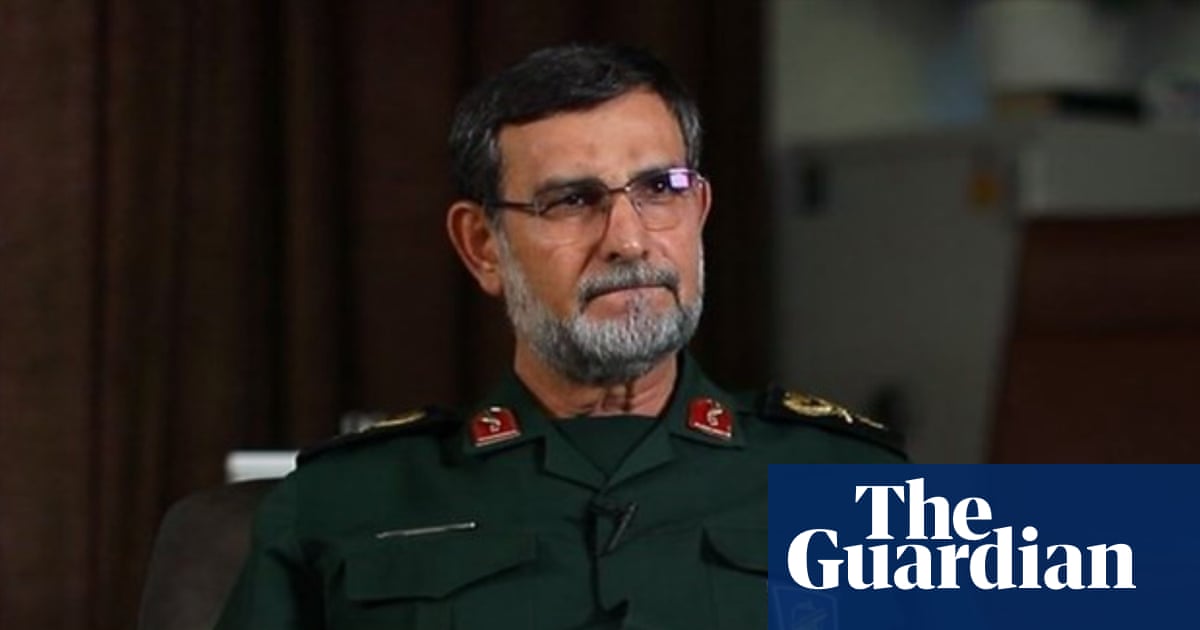
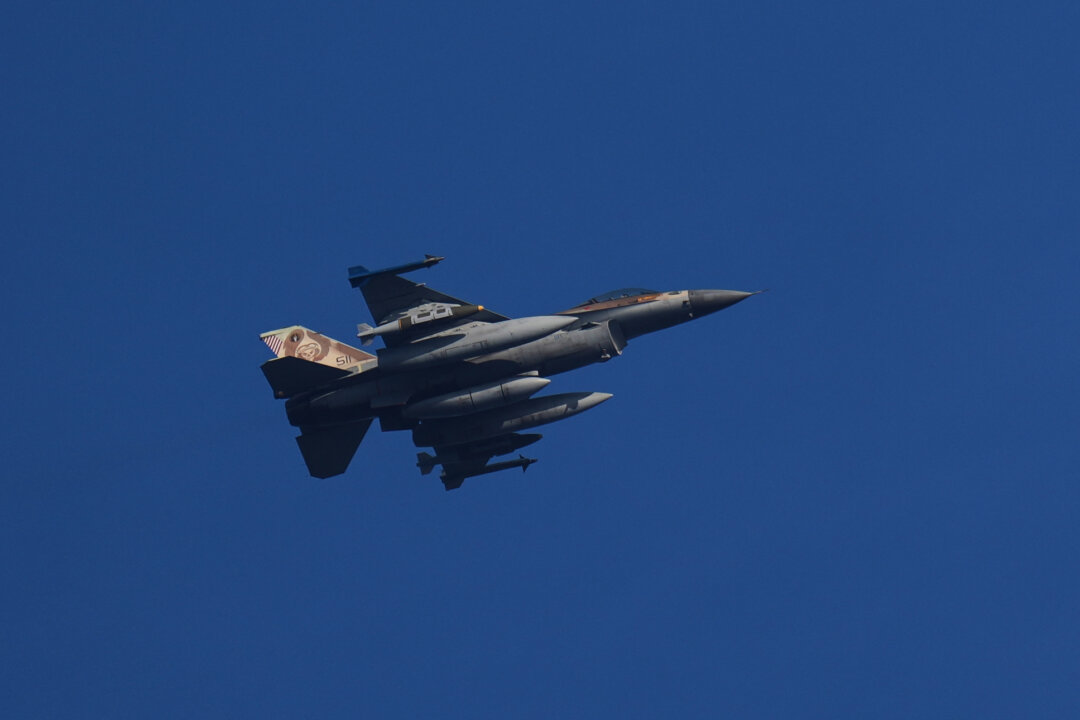
Israeli and Iranian officials, as well as both liberal and conservative outlets, report that Alireza Tangsiri, commander of the Islamic Revolutionary Guard Corps (IRGC) Navy, was killed in an Israeli airstrike in or near the port city of Bandar Abbas, a key hub on the Strait of Hormuz. Coverage agrees that Israel has publicly claimed responsibility, describing the attack as a precise operation that also killed Behnam Rezaei, the IRGC Navy’s intelligence chief, and that both men had been sanctioned by the United States for their roles in IRGC activities tied to regional attacks and threats to maritime traffic. Both sides highlight that Tangsiri had been central to Iran’s strategy in the Strait of Hormuz, including previous efforts to obstruct or threaten shipping, and that Israeli officials are framing the strike as part of broader war aims and a message to senior IRGC figures.
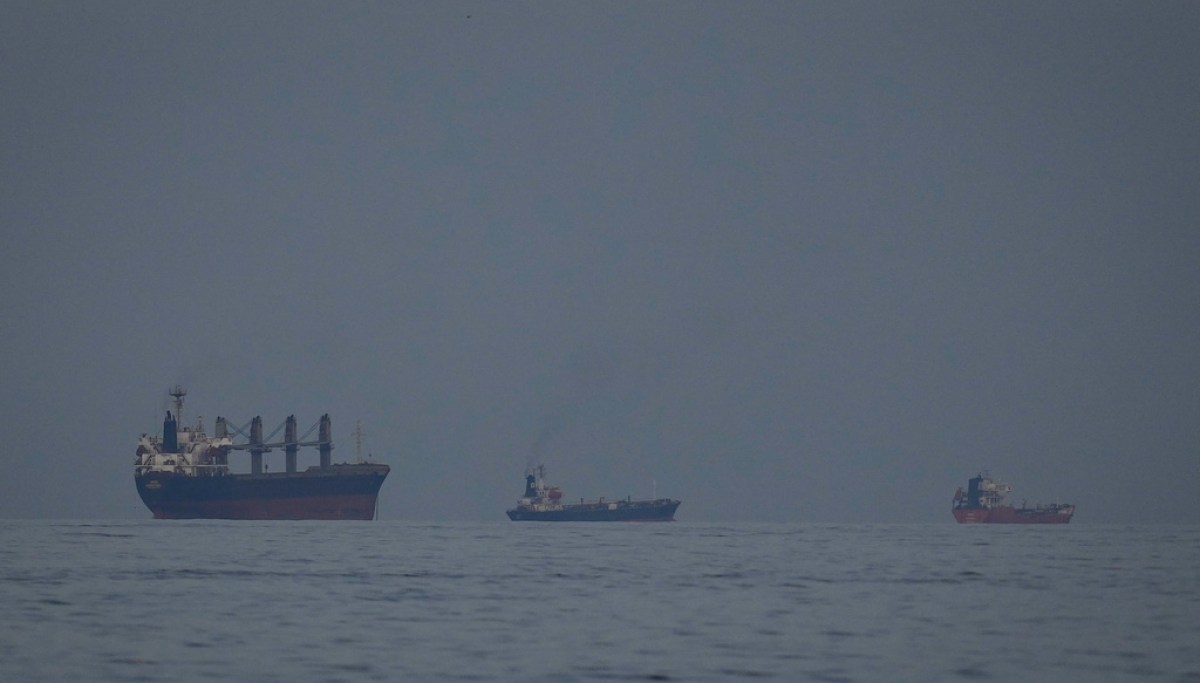
Liberal and conservative sources concur that Tangsiri was a hardline commander who explicitly threatened to close or block the Strait of Hormuz and had overseen the build‑up of unconventional naval capabilities such as cruise missiles, mines, and armed drones aimed at disrupting maritime commerce and U.S.-linked infrastructure. They also agree that his tenure since 2018 was marked by sharpened confrontation with the United States and its allies, including rhetoric about targeting U.S. oil facilities and challenging regional adversaries, and that the Strait of Hormuz remains a critical chokepoint for global energy supplies, making his role and death strategically significant beyond the immediate Israel‑Iran confrontation.
Areas of disagreement
Framing of the strike. Liberal-aligned outlets tend to present the operation in a more reserved tone, focusing on the precision nature of the strike, the institutional roles of Tangsiri and Rezaei, and the strategic implications for maritime security. Conservative outlets more often frame the killing as a bold or decisive move, emphasizing it as a major achievement in a broader campaign against Iran and portraying it as a clear, deterrent “message” to the IRGC leadership. While liberals dwell on the technical and legalistic characterizations by the IDF and U.S. sanctions records, conservatives lean into the dramatic language of elimination of a key architect of regional destabilization.
Characterization of Tangsiri. Liberal coverage describes Tangsiri as a hardliner and influential strategist of asymmetric naval warfare, stressing his understanding of the Strait of Hormuz’s leverage and his role in developing drones, cruise missiles, and blockade tactics, but it also underscores that he was a state military commander operating within Iran’s security doctrine. Conservative coverage focuses more on casting him as a terrorist mastermind responsible for mining, blocking, and closing the strait and threatening civilians near U.S. oil facilities, leaning heavily on his designation in Western sanctions and on Israeli officials’ rhetoric. Liberals therefore emphasize his institutional position and strategic thinking, while conservatives foreground his personal culpability and moral responsibility for “terrorist operations.”
Regional and global risk. Liberal sources more frequently highlight the potential for escalation and regional instability, stressing how striking a senior IRGC figure inside Iran at a vital chokepoint could raise risks to global shipping, energy markets, and U.S. forces, even if they agree he posed ongoing dangers. Conservative outlets typically stress the deterrent benefits and argue that removing a key operator behind previous attacks on maritime traffic actually enhances security for shipping and Western interests, giving less attention to possible retaliatory spirals. As a result, liberal narratives lean toward caution about blowback and systemic risk, whereas conservative narratives lean toward arguments that assertive military action ultimately stabilizes the region.
Role of the United States and allies. Liberal-leaning coverage underscores the preexisting U.S. sanctions on Tangsiri and Rezaei and tends to treat the strike within a framework of coordinated but still legally and diplomatically constrained pressure on Iran, often hinting at the need for broader diplomatic management of fallout. Conservative coverage more prominently cites statements that the operation fits into joint U.S.-Israeli war objectives, implying strong behind‑the‑scenes alignment and presenting the strike as a shared victory for Western allies against Iran’s proxy and maritime aggression. Liberals thus stress multilateral legal and diplomatic context, while conservatives emphasize alliance solidarity and operational cooperation.
In summary, liberal coverage tends to treat the strike as a high‑risk but strategically significant blow against a hardline state military commander, with strong emphasis on institutional context, maritime security, and escalation risks, while conservative coverage tends to highlight it as a decisive and justified elimination of a terrorist architect that advances U.S.-Israeli war aims and strengthens deterrence across the region.