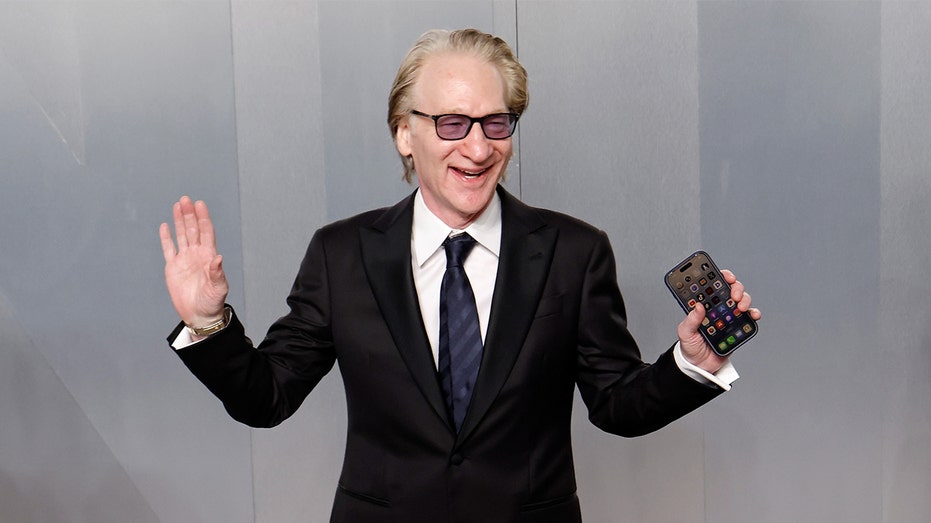
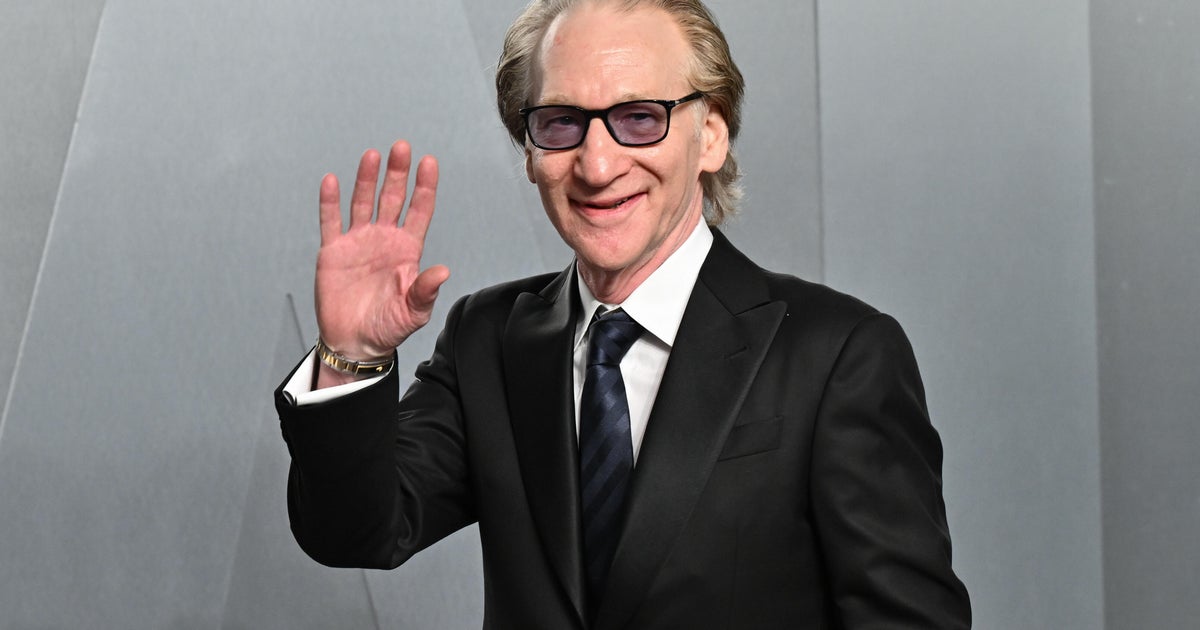
Bill Maher has been announced by the Kennedy Center as the recipient of the 27th Mark Twain Prize for American Humor, to be presented in late June at the Washington, D.C. venue. Both liberal and conservative coverage agree that the award recognizes Maher’s long career in stand-up and political comedy, that the news follows earlier denials from the White House calling reports of his selection "fake news," and that the prize comes just before the Kennedy Center undergoes planned renovations.
Across outlets, reports note that the Mark Twain Prize is a longstanding national honor given by the Kennedy Center to major figures in American comedy, with past recipients described as comedy legends. Coverage from both sides acknowledges Maher’s reputation for politically charged, often controversial humor, including his high-profile criticism of President Trump. All sources situate the development within the broader tradition of the Kennedy Center’s institutional independence and its role in celebrating influential humorists who have shaped American political and cultural discourse.
Areas of disagreement
Significance of the defiance. Liberal-leaning outlets frame the episode as a largely symbolic clash, emphasizing the Kennedy Center’s autonomy and portraying the award as a routine institutional decision that happened to contradict a premature White House denial. Conservative outlets, by contrast, spotlight the conflict, describing the Center as effectively defying or rebuking the Trump White House and stressing that the prize went forward "despite" official claims it would not, giving the story a more confrontational cast.
Portrayal of Bill Maher. Liberal coverage tends to underline Maher’s status as a veteran political satirist whose "politically incorrect" style targets a range of powerful figures, using his past criticism of Trump as context rather than the core of the story. Conservative coverage more often foregrounds his anti-Trump commentary and controversial persona, implicitly suggesting that the choice is ideologically loaded and reflective of elite cultural tastes that are hostile to the former president.
Framing of the White House denial. Liberal-aligned sources treat the White House’s "fake news" label as an example of the administration’s broader pattern of dismissing accurate reporting, noting that subsequent confirmation by the Kennedy Center undercuts the credibility of the earlier denial. Conservative sources acknowledge the initial denial but tend to describe it in procedural or evolving-"situation" terms, presenting the final award as a development that followed or superseded earlier White House statements rather than as a clear-cut case of the administration being wrong.
Institutional meaning of the prize. Liberal coverage emphasizes the continuity of the Mark Twain Prize as an apolitical, institutional tradition that celebrates comedic impact across administrations, implicitly downplaying any notion that the award is a direct political statement against Trump. Conservative coverage more readily ties the decision to the institution’s cultural and political orientation, implying that honoring a fierce Trump critic at "the Trump Kennedy Center" highlights a disconnect between the administration’s preferences and the cultural establishment’s values.
In summary, liberal coverage tends to cast the Maher award as a routine cultural honor that incidentally contradicts a dubious White House denial and underscores institutional independence, while conservative coverage tends to highlight the decision as a pointed act of defiance by a liberal-leaning cultural institution elevating an outspoken Trump critic.