


liberal
A smile and a handshake as Maduro case drags Venezuela crisis to New York court
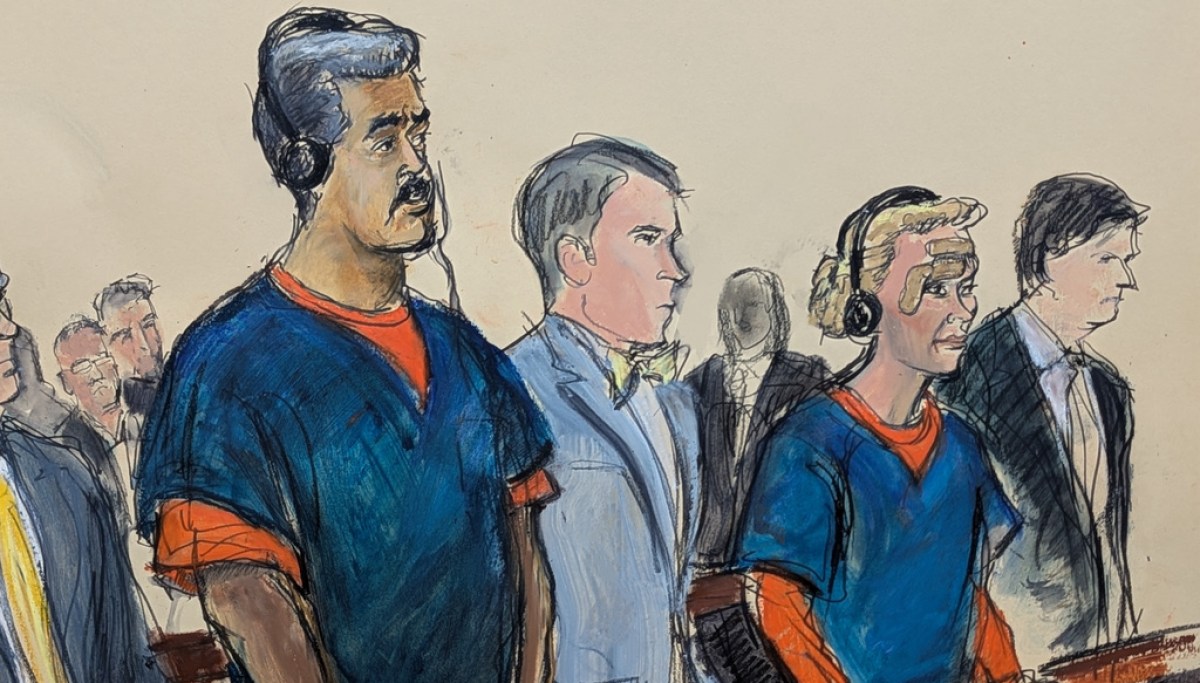
The deposed Venezuelan president and his wife appeared in a Manhattan courtroom as rival protests took place outside
6 days ago
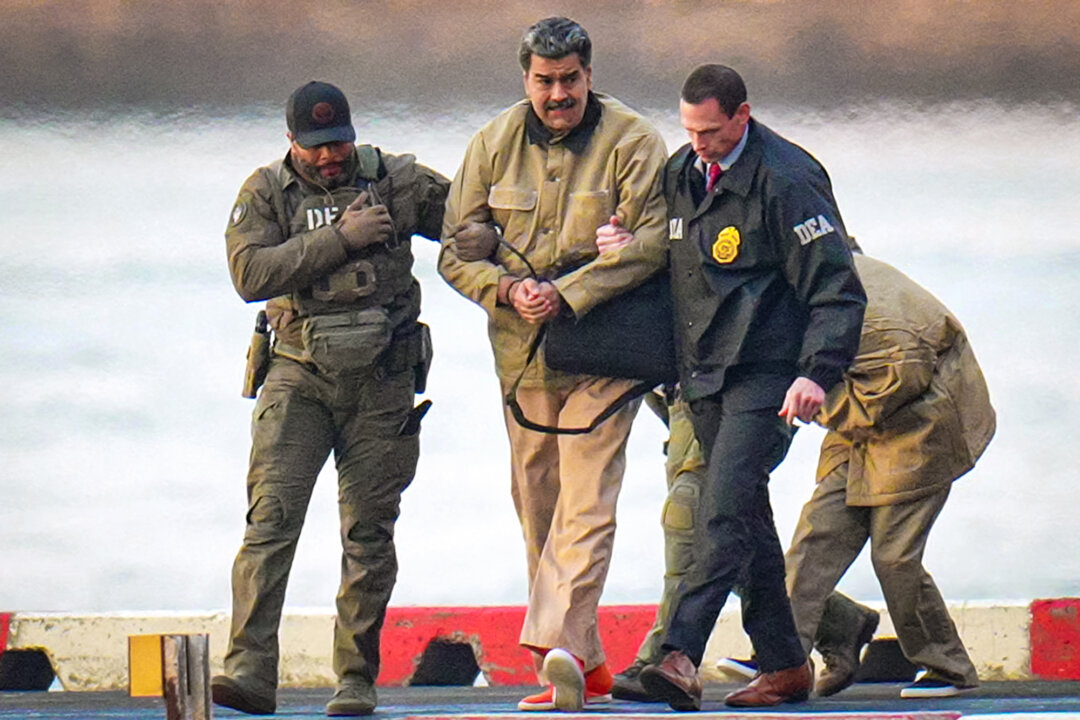
Deposed Venezuelan leader Nicolás Maduro and his wife, Cilia Flores, appeared in a Manhattan federal courtroom for the first time since his arrest, facing long‑standing U.S. narco‑terrorism and drug trafficking indictments. Both liberal and conservative outlets agree that the hearing centered on defense motions to dismiss or delay the case on the ground that U.S. sanctions on Venezuela allegedly prevent access to state funds to pay for Maduro’s legal team, that prosecutors opposed these requests, and that the judge declined to dismiss the indictment on funding grounds. Coverage concurs that prosecutors are seeking tight controls on how evidence is shared with co‑defendants because of Maduro’s alleged history of threatening or retaliating against opponents, that rival groups of protesters gathered outside the courthouse, and that Maduro appeared in jail attire alongside Flores.
Both sides also agree that Maduro is being held under unusually restrictive conditions in U.S. custody, described as a form of special administrative measures amounting to a “jail inside a jail,” though details remain sparse. Liberal and conservative reporting alike situate the case in the broader context of Venezuela’s prolonged political and economic crisis, U.S. foreign policy toward Caracas, and the knock‑on implications for global oil markets given Venezuela’s reserves and sanctions regime. They also agree that a key unresolved issue is how Maduro will ultimately fund his defense if he cannot tap Venezuelan state assets and insists he lacks personal resources, leaving the court to navigate questions of fair‑trial rights under the constraints of U.S. sanctions law.
Framing of Maduro’s status. Liberal‑leaning outlets tend to describe Maduro as a deposed or embattled Venezuelan leader, emphasizing the contested nature of his rule and the broader crisis of governance, whereas conservative outlets consistently label him a dictator and focus on his authoritarian record. Liberal coverage gives more space to the symbolism of his appearance in a U.S. courtroom and the optics of protests, while conservative coverage underscores his history of repression and alleged intimidation of opponents as justification for stringent prosecutorial controls. This contrast leads liberals to frame the proceeding more as a significant international legal and diplomatic episode, while conservatives frame it primarily as criminal accountability for a long‑time strongman.
Due process and sanctions. Liberal sources give notable attention to whether U.S. sanctions may be undermining Maduro’s ability to secure counsel, treating his claim about blocked access to Venezuelan funds as a civil liberties and rule‑of‑law concern even for an unpopular defendant. Conservative outlets largely treat the funding dispute as a tactical maneuver, highlighting prosecutors’ arguments that he should rely on personal resources and that Venezuelan state money is illegitimate or off‑limits. As a result, liberal coverage is more likely to foreground questions about fair trial standards under sanctions, while conservative coverage highlights the judge’s refusal to dismiss the case and portrays the outcome as a warranted rejection of Maduro’s complaints.
Conditions of confinement and tone. Liberal‑aligned reporting dwells more on the harshness and exceptional nature of Maduro’s confinement, using descriptions like “jail inside of a jail” and questioning the breadth of special administrative measures as part of a pattern of U.S. security practices. Conservative coverage mentions security concerns primarily to justify tight limits on evidence sharing and to underscore the risk Maduro allegedly poses, devoting less attention to the human‑rights implications of his detention conditions. This leads liberal articles to sound more cautious and rights‑focused even as they acknowledge his alleged crimes, while conservative pieces maintain a more prosecutorial and punitive tone.
Geopolitical implications. Liberal outlets are more inclined to link the case to U.S.‑Venezuela relations, sanctions strategy, and global oil markets, suggesting that the prosecution intersects with questions of diplomacy and economic stability. Conservative coverage narrows the frame to law enforcement and anti‑drug efforts, stressing the message that no foreign leader is above U.S. drug laws and treating geopolitical fallout as secondary. Accordingly, liberal pieces cast the trial as one node in a complex foreign‑policy puzzle, while conservative narratives treat it as a straightforward extension of U.S. criminal jurisdiction over alleged narco‑trafficking.
In summary, liberal coverage tends to emphasize due process, detention conditions, and the broader diplomatic and economic context of prosecuting a deposed foreign leader, while conservative coverage tends to stress Maduro’s dictatorial record, the legitimacy of aggressive prosecution, and the rejection of his attempts to use sanctions issues to derail the case.