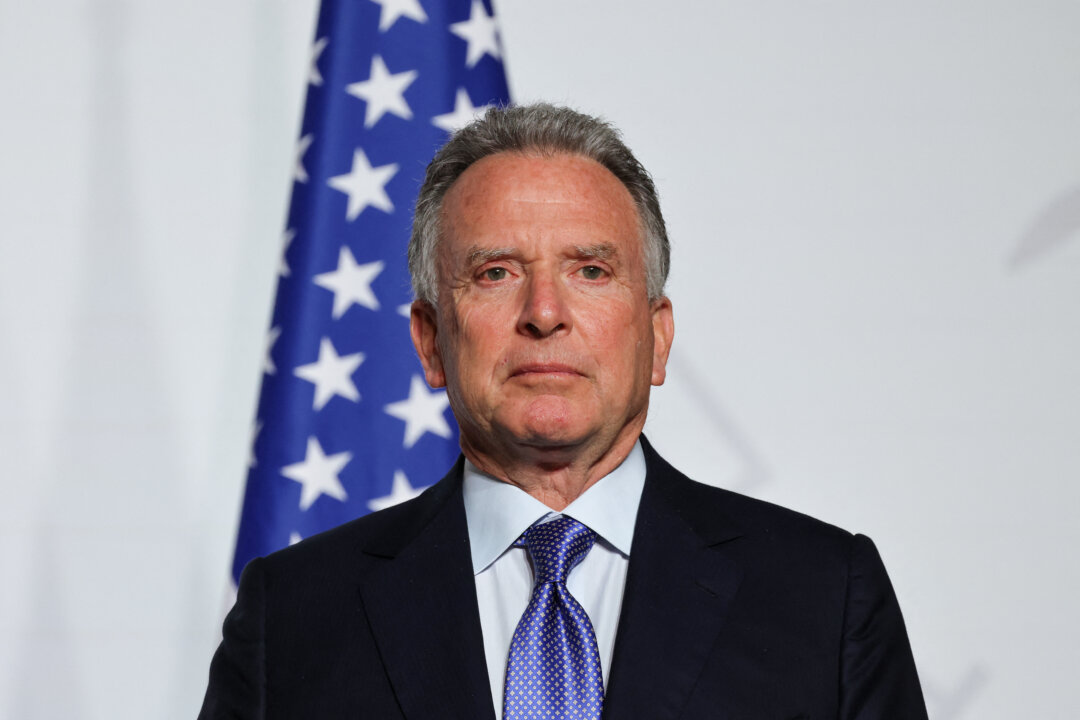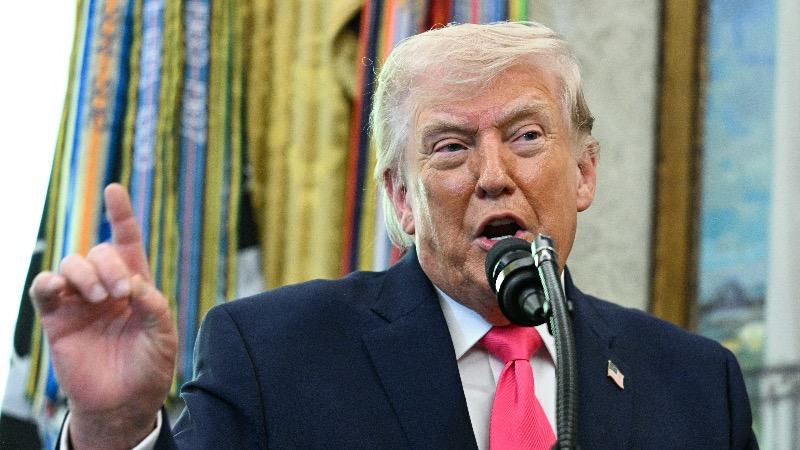




The United States has conveyed a 15-point proposal to Iran intended as a framework for a potential peace deal, with both liberal and conservative outlets agreeing that the plan was delivered indirectly via Pakistan. Coverage on both sides identifies U.S. Special Envoy Steve Witkoff as the official who confirmed the plan’s existence and its role as a basis for negotiations, while also noting that the specific terms have been kept confidential and are not being negotiated through the media. Both liberal and conservative sources acknowledge that Iran received the proposal, that it is framed as a path toward de-escalation or a broader peace arrangement, and that at least some form of Iranian response has characterized the offer as one-sided and unfair. They further agree that this initiative is unfolding against a backdrop of ongoing diplomatic backchannels, even as public rhetoric from top leaders appears inconsistent.
Shared context in both liberal and conservative reporting emphasizes that this initiative is part of a long-running, adversarial but occasionally transactional U.S.-Iran relationship, in which intermediaries such as Pakistan have often been used to reduce direct political risk. Both sides place the offer within broader regional tensions and prior cycles of U.S. pressure and tentative outreach, describing the 15-point framework as another attempt to explore a negotiated off-ramp without formally committing to a comprehensive agreement. There is broad agreement that domestic political considerations in Washington and Tehran—along with skepticism on both sides—complicate the prospects for success, and that public posturing can diverge sharply from quiet diplomatic efforts. Coverage from both perspectives also underscores that any such peace framework would interact with existing sanctions regimes, security concerns, and long-standing mistrust, meaning the plan is best seen as an opening bid rather than an imminent breakthrough.
Areas of disagreement
Framing of U.S. intentions. Liberal-aligned outlets tend to emphasize the plan as a cautious diplomatic overture meant to test whether de-escalation with Iran is possible, highlighting the use of Pakistan as a pragmatic channel and stressing continuity with broader diplomatic norms. Conservative outlets are more likely to portray the initiative as a firm, conditions-based offer that reflects strength and leverage rather than concession, often framing it as an opportunity for Iran to comply with U.S. demands or face continued pressure. While liberals present the move as an attempt to stabilize a volatile situation, conservatives more often describe it as a strategic instrument to extract behavioral changes from Tehran.
Characterization of Trump’s stance. Liberal coverage focuses on President Trump’s shift from apparent interest in a deal to declaring disinterest, treating it as evidence of inconsistency and as a potential obstacle to coherent diplomacy. Conservative coverage tends to downplay or contextualize this shift as tactical messaging or negotiation theater, suggesting that backchannel diplomacy continues regardless of Trump’s public comments. Liberals thus stress volatility and mixed signals from the White House, while conservatives frame the same behavior as part of a pressure campaign designed to keep Iran off balance.
Assessment of the proposal’s fairness and viability. Liberal sources give more weight to Iran’s description of the plan as one-sided and unfair, using that reaction to question whether the framework is realistically balanced enough to yield a sustainable agreement. Conservative outlets more often dismiss or minimize Tehran’s complaints, casting them as predictable bargaining rhetoric and arguing that any tough conditions are justified by Iran’s past behavior. As a result, liberal reporting tends to treat the 15 points as a starting point that likely needs recalibration, whereas conservative coverage treats them as a reasonable baseline Iran should accept or risk isolation.
Role of secrecy and media strategy. Liberal-aligned reporting tends to scrutinize Witkoff’s insistence that the terms remain confidential and not negotiated through the media, raising concerns that opacity may limit public accountability and informed debate over such a consequential proposal. Conservative outlets largely endorse the preference for secrecy, arguing that media-driven diplomacy would undermine effective negotiations and that confidentiality signals seriousness and professionalism. Thus, liberals frame the closed-door nature of the plan as a democratic transparency issue, while conservatives portray it as a necessary condition for successful statecraft.
In summary, liberal coverage tends to portray the 15-point plan as a fragile diplomatic opening overshadowed by presidential inconsistency, asymmetrical terms, and concerns about transparency, while conservative coverage tends to frame it as a strong, conditions-based offer executed through savvy backchannels, with Trump’s shifting rhetoric seen as part of strategic pressure rather than a hindrance to serious negotiations.
Story coverage