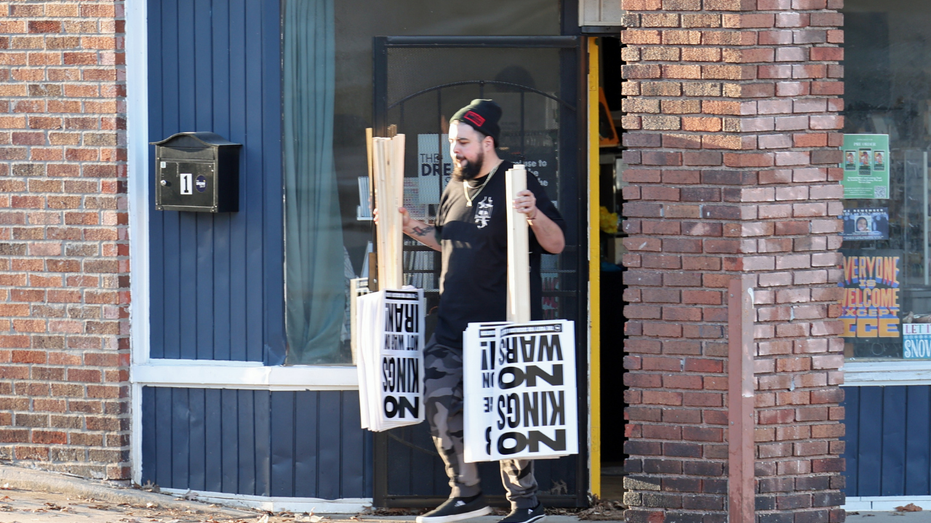
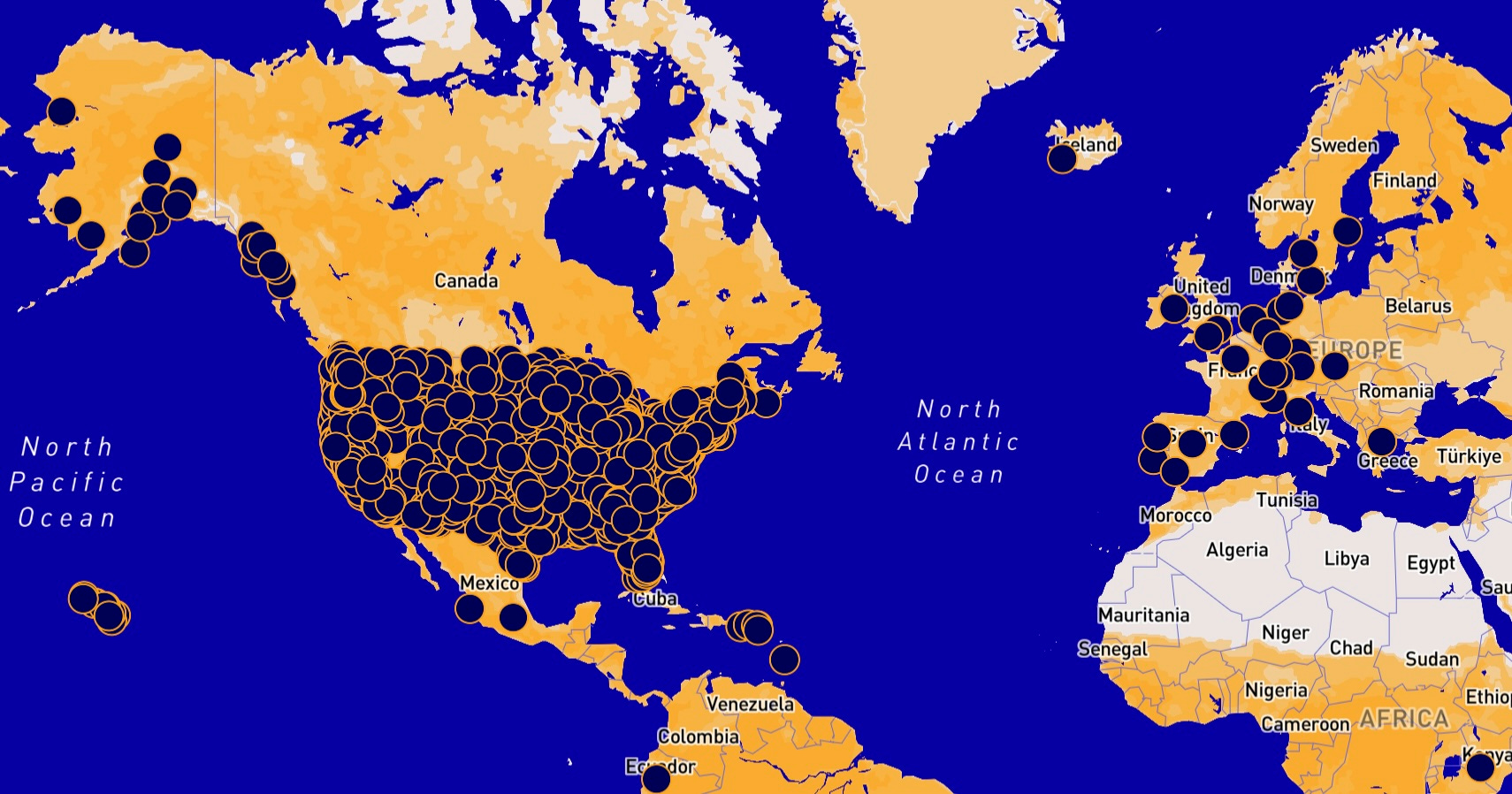
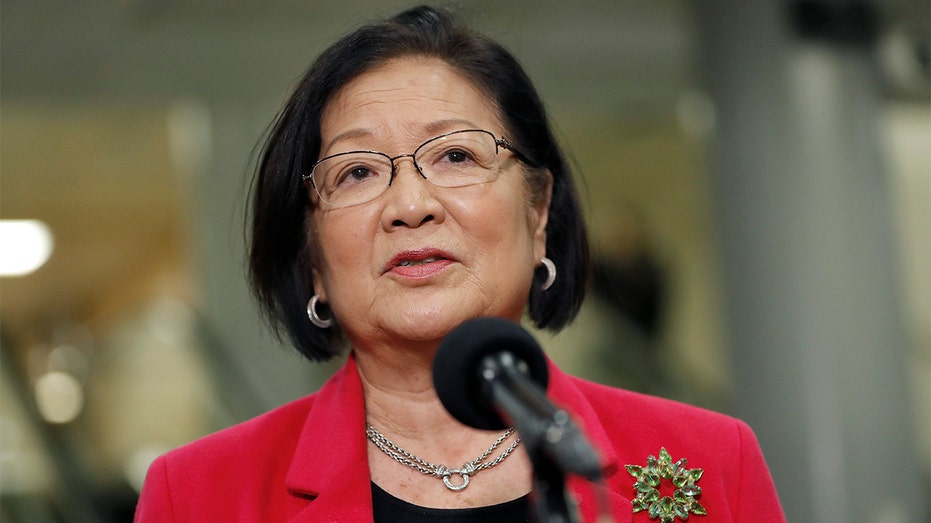
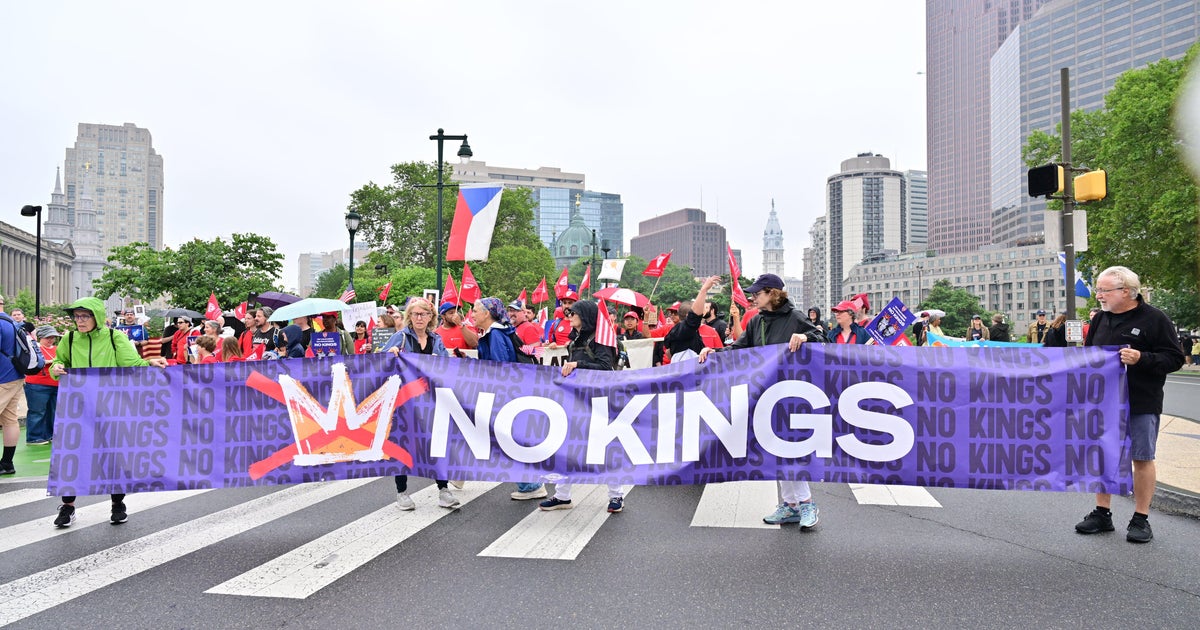
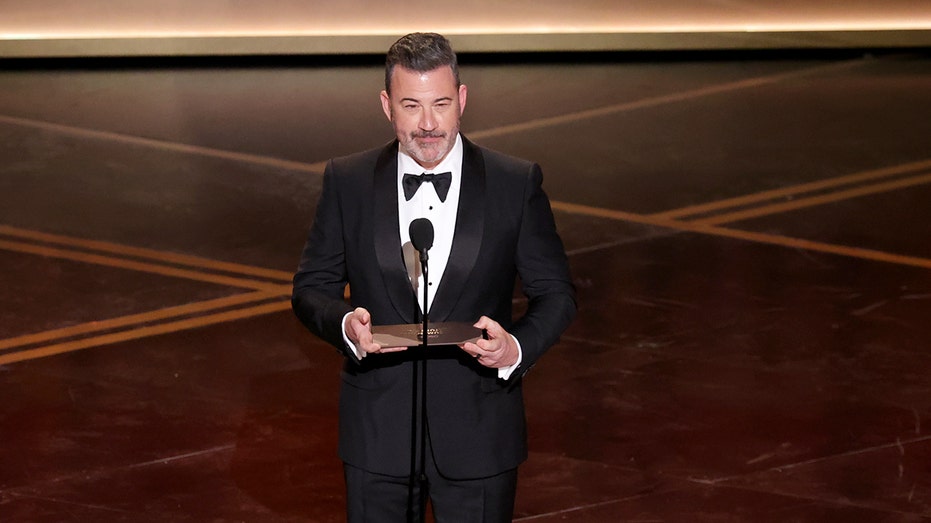
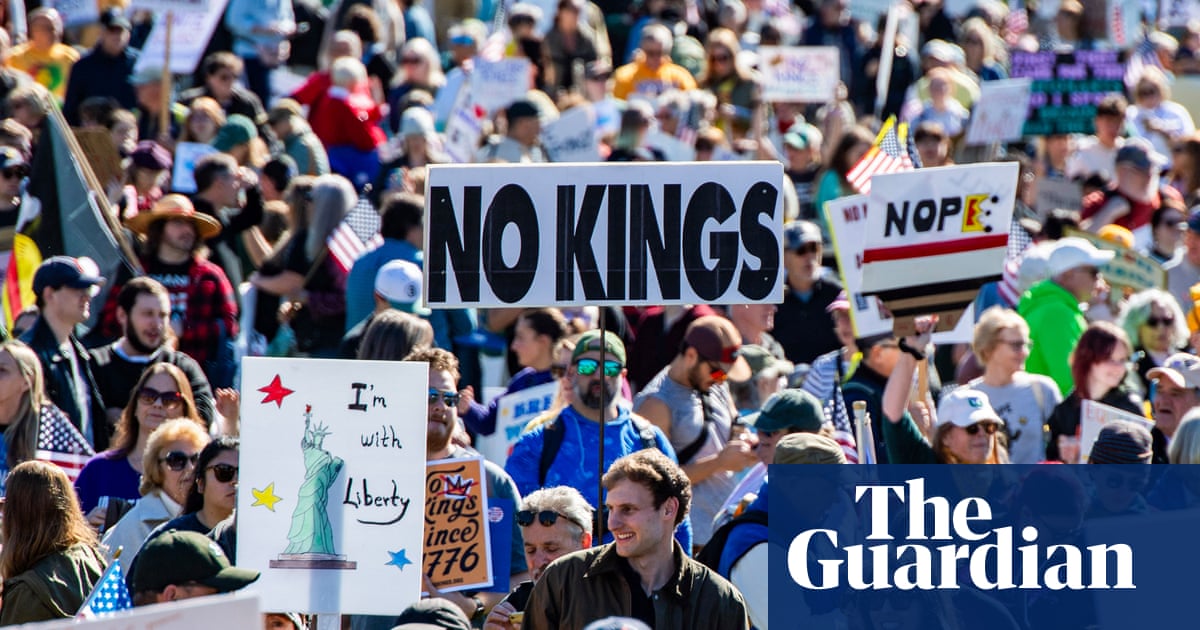
Millions of people participated in the third wave of "No Kings" protests, which organizers say took place across all 50 states and in more than a dozen countries, with over 3,000–3,200 registered marches and rallies. Coverage from both liberal- and conservative-aligned outlets agrees that this was a large, coordinated anti-Trump mobilization centered on opposition to the Trump administration and to the idea of a "would-be king" presidency, with a national flagship event at the Minnesota Capitol and high-profile appearances by figures such as Robert De Niro, Bruce Springsteen, Jane Fonda, Joan Baez, Maggie Rogers, Jimmy Kimmel, Letitia James, and Al Sharpton. Both sides note that events took place not only in major cities like New York and Los Angeles but also in smaller towns and red or rural areas, and that participants carried a wide variety of signs and symbols, from anti-Trump slogans to broader progressive causes. They also agree that the protests were formally organized under the "No Kings" banner by a network that includes Indivisible and partner groups, that organizers framed the actions as nonviolent, and that the White House dismissed them as expressions of hostility toward Trump.
Liberal and conservative sources broadly concur that the "No Kings" actions form part of a recurring series of mass protests against Trump, now in its third iteration and described by organizers and some reporters as potentially the largest single day of domestic political protest in U.S. history. Both perspectives acknowledge that the movement is centered around institutional opposition to Trump’s use of executive power, immigration enforcement (including ICE actions), voting rights, and economic policy, and that it draws on a large, professionalized advocacy infrastructure that can coordinate thousands of local events at once. There is shared recognition that the movement relies on alliances among hundreds of organizations—often framed as decentralized and volunteer-driven at the grassroots level—supported by established national advocacy outfits. Both sides also report that the protests coexist with counter-protests and security concerns in conservative areas, and that the events have become a recurring focal point for national debate over the boundaries of presidential power and the legitimacy of mass protest as a form of political expression.
Areas of disagreement
Scale and success. Liberal-aligned outlets portray the "No Kings" actions as record-setting in scale, emphasizing millions of participants and over three thousand coordinated events, and often highlighting images of large crowds in major cities and enthusiastic participation nationwide. Conservative outlets alternately acknowledge that organizers anticipated historic turnout while casting the actual events as a "flop," focusing on sparsely attended rallies in select locations and mocking demographic details such as the prevalence of older white liberal women. Liberal coverage treats the breadth of participation, including in smaller communities, as evidence of a robust, energized movement, whereas conservative coverage insists the numbers are inflated and not representative of the broader public.
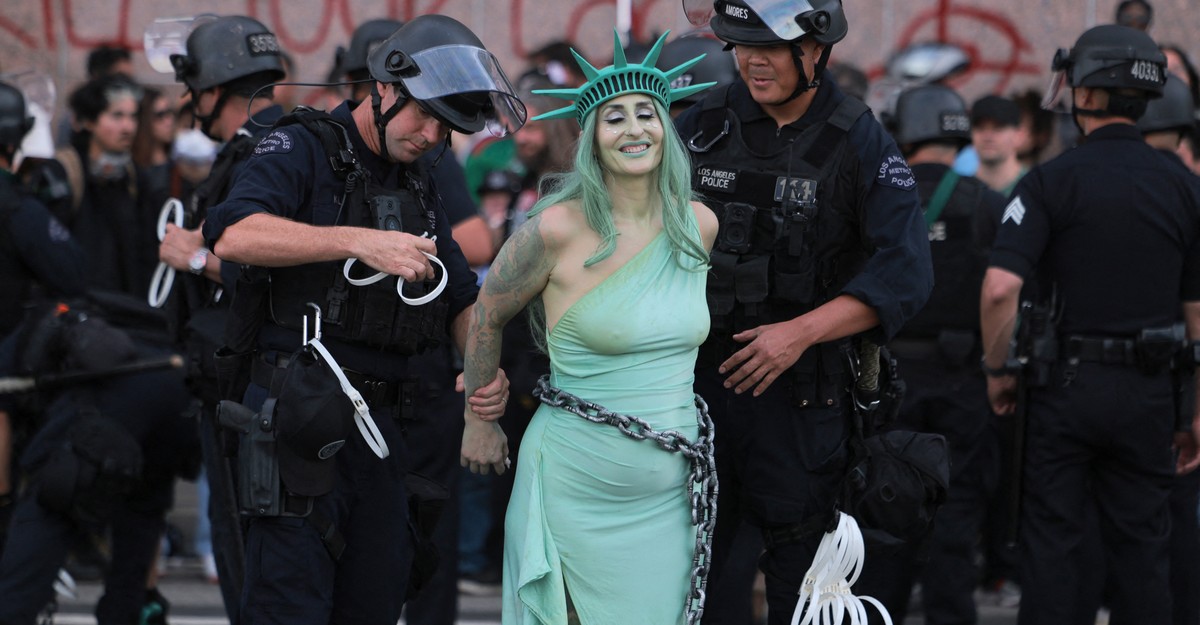
Character of the movement. Liberal sources describe "No Kings" as a nonviolent, values-driven resistance to authoritarianism, positioning participants as ordinary Americans defending constitutional norms and civil rights. Conservative sources depict the same protesters as "weirdo liberal boomers" engaged in performative theater, emphasizing eccentric costumes, furries, and viral moments like a woman in a chicken suit to argue the movement is unserious and unhinged. While liberal pieces highlight celebrity speeches warning of an "existential threat" and calling for courage, conservative commentary dismisses this rhetoric as Trump Derangement Syndrome and suggests that the king metaphor is absurd given the checks and balances that constrain the presidency.
Funding, organization, and ideological roots. Liberal-leaning reporting tends to frame No Kings as decentralized, volunteer-led, and supported by a broad coalition of over 270–500 partner organizations, presenting professional coordination as necessary scale-building rather than a cause for suspicion. Conservative outlets focus on financial and organizational ties, alleging backing from socialist and communist groups and from left-wing philanthropy such as the Soros/Open Society network, and highlight the presence of red flags and radical symbols to argue the protests are driven by revolutionary or far-left agendas. Where liberal coverage stresses grassroots energy and community-building, conservative coverage claims participants are effectively "puppets" of a sophisticated activist and donor apparatus.
Meaning and political implications. Liberal coverage treats the protests as a powerful democratic signal that large segments of the public reject Trump’s policies on immigration, voting, and economic justice, and as a way to sustain momentum for institutional reforms and electoral mobilization. Conservative coverage argues that the demonstrations reveal the cultural and ideological insularity of the anti-Trump camp, asserting that the focus on theatrical stunts and maximalist rhetoric alienates moderates and ultimately helps Trump by making his critics look extreme. Liberal-aligned outlets frame celebrity involvement and national media attention as validating and amplifying the movement’s message, while conservative writers portray the same factors as evidence of elite-driven spectacle disconnected from everyday voters.
In summary, liberal coverage tends to present the No Kings protests as a massive, grassroots, nonviolent stand against creeping authoritarianism and Trump-era policies, while conservative coverage tends to depict them as overhyped, elite-funded, and ideologically radical performances that exaggerate Trump’s power and misread public opinion.