




conservative
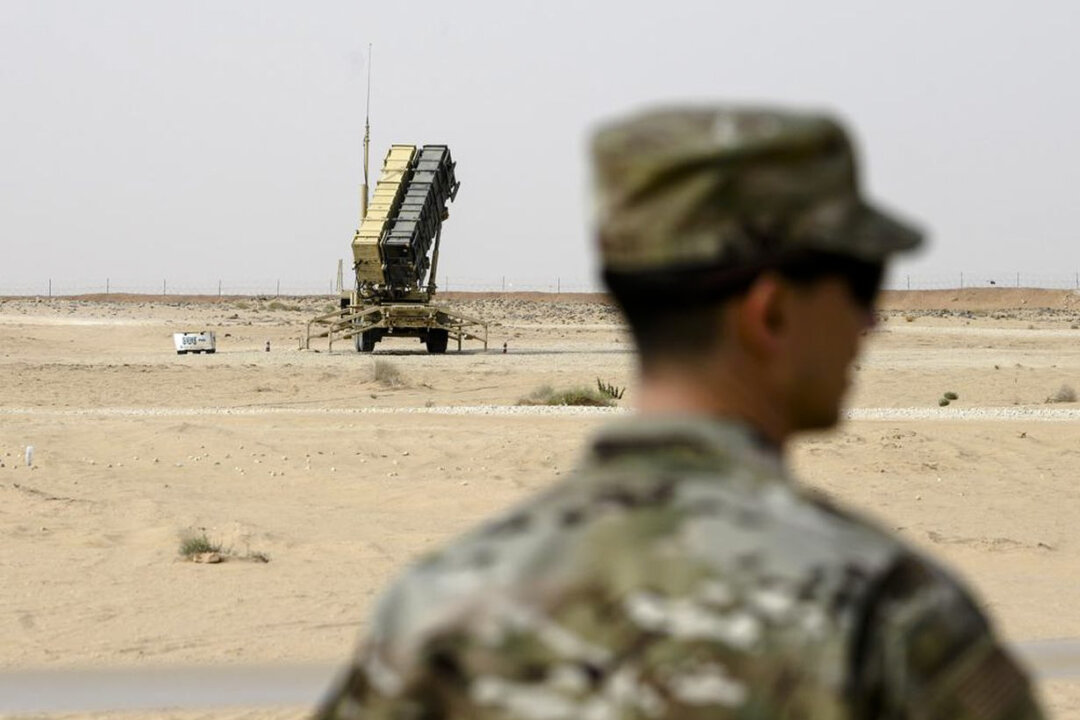
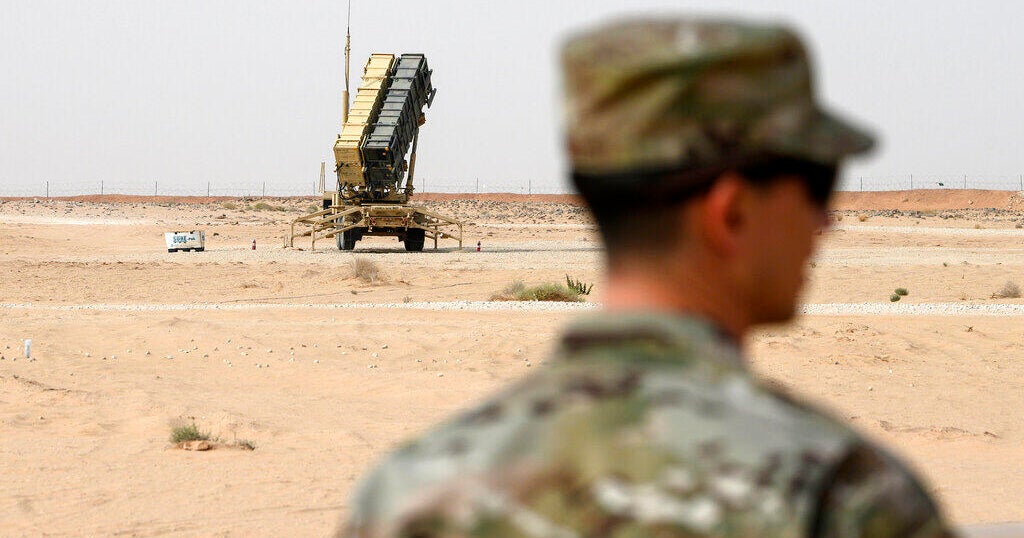
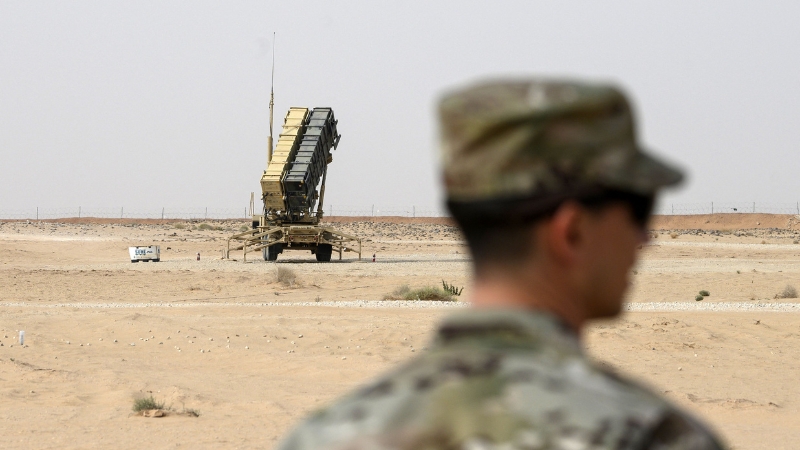
Around a Dozen US Service Members Injured During Strike on Prince Sultan Air Base in Saudi Arabia
At least two service members were seriously injured, according to a U.S. official.
14 days ago
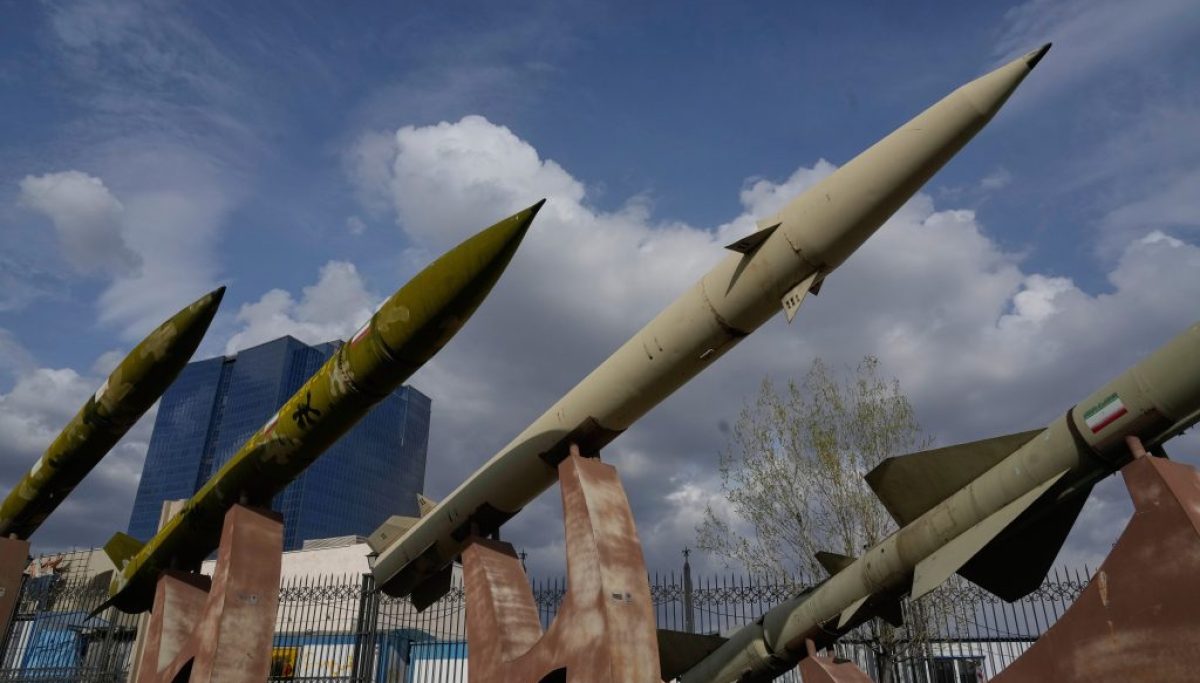
Ten to roughly a dozen U.S. service members were injured in an Iranian missile and drone strike on Prince Sultan Air Base in Saudi Arabia, with both liberal and conservative outlets agreeing that two Americans were very seriously or seriously wounded and the rest classified as seriously or less severely injured. Coverage across the spectrum places the attack late in the ongoing U.S.-Iran war, notes that refueling aircraft on the base were damaged, and describes the strike as part of a broader pattern of Iranian attacks on U.S. and allied targets in the region, with the total number of American wounded in the conflict now reported at more than 300.
Across both liberal and conservative reporting, the Prince Sultan strike is framed within a wider regional war involving Israel and Iran, with U.S. forces increasingly drawn in through airstrikes and deployments across the Middle East. Outlets on both sides reference ongoing U.S. military operations projected to last only weeks more, the strain on missile defense and interceptor supplies, and the broader impact on global energy markets and oil prices. There is shared acknowledgement of concurrent diplomatic activity, including discussions with European allies over maritime security in the Strait of Hormuz and negotiations with Iran over a possible deal, underscoring that the attack on the Saudi base is both a battlefield event and a pressure point in a larger strategic and economic confrontation.
Causation and motives. Liberal-aligned coverage tends to present the attack as part of an escalating, nearly month-old U.S.-Iran war and a spreading Israel-Iran conflict, with emphasis on systemic regional instability and the risk of a drawn-out ground fight. Conservative outlets more often highlight the strike as direct Iranian retaliation for prior U.S. and Israeli actions, sometimes tying it to specific Israeli operations. Where liberal sources stress the war’s diffusion across multiple fronts and the difficulty of de-escalation, conservative reports frame the incident as a predictable consequence of confronting Iran’s leadership and proxies.
Assessment of U.S. strategy and duration. Liberal sources underscore worries about expanding U.S. deployments, interceptor shortages, and the possibility that an initially limited campaign could become a prolonged ground engagement, questioning optimistic timelines. Conservative coverage gives more weight to statements from figures like Marco Rubio that the war with Iran can be wrapped up in two to four weeks, projecting confidence in rapid military success. Liberal outlets are more skeptical that such forecasts account for regional complexity and alliance frictions, while conservative outlets portray the current approach as tough but time-bounded and manageable.
Portrayal of political leadership and alliances. Liberal reporting more often notes friction between Washington and its allies, highlighting that some partners are reluctant to join U.S. operations and that this complicates the president’s strategy and diplomatic efforts. Conservative outlets tend to emphasize U.S. leadership in rallying or negotiating with European states on issues such as escorting shipping through the Strait of Hormuz, and they focus more on presidential deadlines and firm messaging toward Tehran. While liberals frame these dynamics as signs of strain and potential overreach, conservatives cast them as necessary tests of resolve and alliance cohesion.
Economic and diplomatic framing. Liberal-aligned sources lean into the war’s impact on global markets, tumbling stocks, and spiking oil prices as evidence that military escalation carries serious worldwide costs and should push policymakers toward negotiated off-ramps. Conservative coverage, while acknowledging economic effects and ongoing talks with Iran, tends to present diplomacy as operating alongside coercive pressure, including sanctions and military strikes, rather than as an alternative to confrontation. Liberals foreground the risk that incidents like the Saudi base attack will derail diplomacy, whereas conservatives suggest such pressure is what forces Tehran to negotiate seriously.
In summary, liberal coverage tends to stress the risks of escalation, alliance strains, and economic fallout while questioning optimistic timelines and emphasizing the need for de-escalatory diplomacy, while conservative coverage tends to highlight Iranian culpability, U.S. resolve, and confidence in a short, decisive campaign backed by military pressure and assertive leadership.