


liberal
France detains two more suspects over foiled Paris Bank of America attack
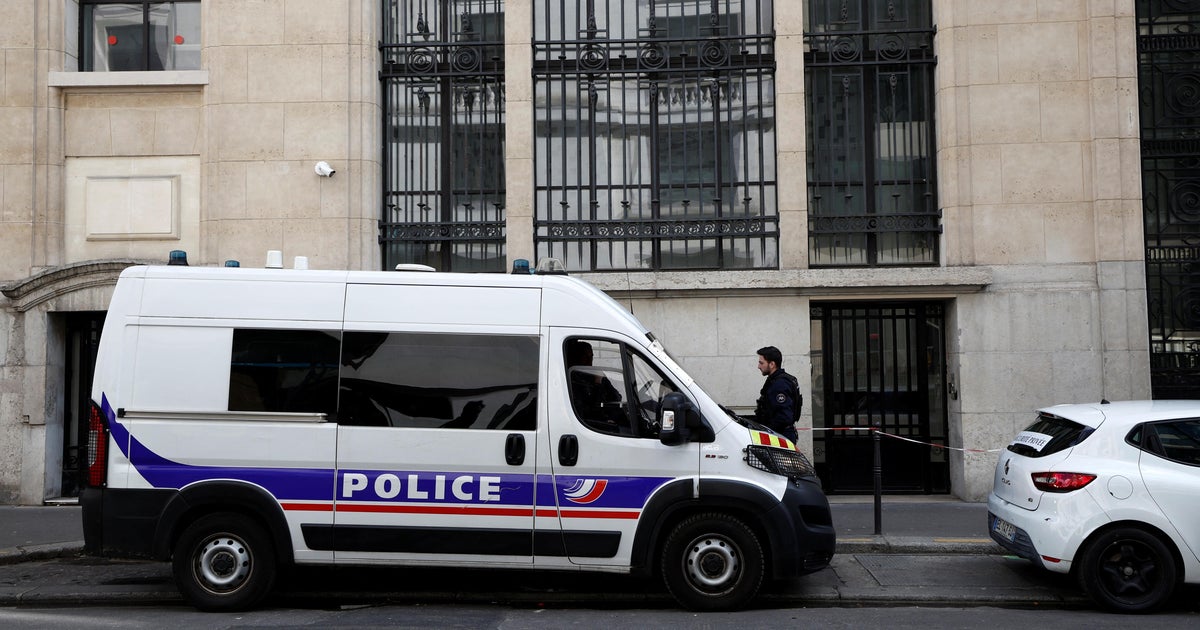
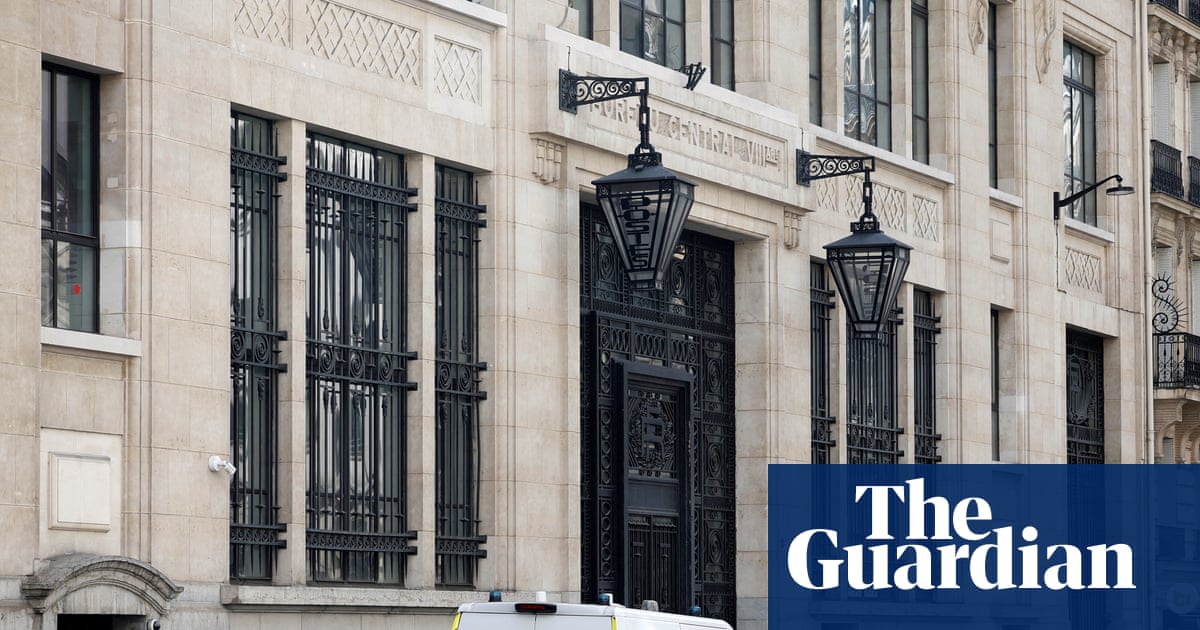
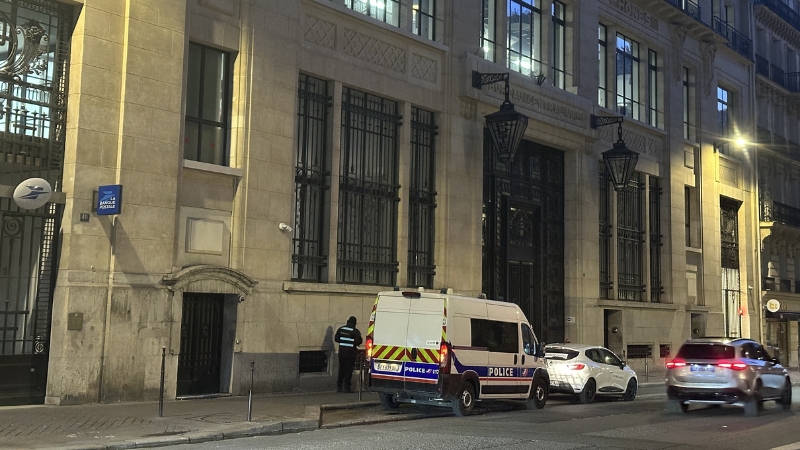
French police have arrested two more suspects over a foiled attack on Bank of America's Paris offices.
10 days ago
French and international coverage from both liberal and conservative outlets agree that French police foiled an attempted bombing outside a Bank of America building in Paris, widely described as the bank’s local headquarters or offices. In the early hours of a Saturday (around March 28, 2026), officers arrested at least one male suspect as he tried to ignite or detonate a homemade or improvised explosive device composed of liquid fuel, explosive powder, and an ignition system placed near the building. Subsequent reporting notes that a suspected accomplice initially fled the scene, and that two additional suspects have since been detained, bringing the total to multiple individuals under arrest. All sides concur that the National Anti-Terrorist Prosecutor’s Office has opened a terrorism investigation, that charges relate to attempted terrorist violence using explosives, and that the device was neutralized before any casualties or structural damage occurred.
Liberal and conservative outlets also agree that the case is being treated within France’s broader counterterrorism framework, with the Interior Minister and anti-terror prosecutors emphasizing a high level of vigilance due to the regional and international security climate. Both sides describe the suspect as having been recruited via social media, particularly Snapchat, and offered a relatively small sum of money to plant or ignite the device, and note that at least one suspect is reportedly a minor of Senegalese origin. Coverage agrees that investigators are exploring possible foreign links, with some reports noting questions about potential Iranian involvement and comparisons to or mentions of allegedly related or similar attempted attacks abroad, including in Rotterdam and New York. Across the spectrum, outlets situate the episode within continuing European concerns about terrorism, the protection of major financial institutions, and the challenges of online recruitment and radicalization.
Framing of the threat. Liberal-aligned outlets frame the event primarily as a foiled terrorist undertaking within France’s established legal and security architecture, emphasizing procedural details, prosecutorial steps, and the technical description of the device. Conservative outlets more often describe it as a “Paris terror attack on Bank of America,” foregrounding the word “attack” and presenting the plot as part of a broader wave of Islamist or foreign-linked terrorism. Liberal coverage tends to stress that no firm conclusions have yet been reached about the nature of any foreign sponsorship, while conservative coverage more quickly situates the incident within a global terror threat narrative.
Foreign links and networks. Liberal sources mention potential Iranian involvement and parallels to incidents in Rotterdam and New York cautiously, emphasizing that such connections are under investigation and not yet proven, and sometimes framing them as hypotheses from officials rather than settled facts. Conservative outlets are more inclined to assert or imply stronger operational links between this plot and other attacks abroad, and to connect the episode to hostile state actors or transnational jihadist networks. Whereas liberal reporting stresses investigative uncertainty and the need for corroboration, conservative coverage tends to treat the cross-border terror-network angle as a key takeaway for readers.
Suspect profile and social dimensions. Liberal coverage gives more prominence to the suspect’s age, migrant background, and alleged recruitment via Snapchat for a modest payment, placing these details in the context of online exploitation, youth vulnerability, and social marginalization. Conservative outlets mention the same facts but focus less on socioeconomic causes and more on the willingness of individuals, including migrants or minors, to participate in terror plots for money or ideology. Liberals generally present the case as evidence of the need for better integration, online moderation, and preventive measures, while conservatives lean toward highlighting failures in migration control and vetting, or the risks posed by radicalized or criminally-inclined newcomers.
Implications for policy and institutions. Liberal-aligned reporting underscores the professionalism of French police and anti-terror institutions, using the incident to highlight the importance of judicial oversight, intelligence cooperation, and targeted counter-radicalization efforts, and sometimes briefly linking it to wider regulatory scrutiny of major banks. Conservative outlets also praise police effectiveness but more heavily stress security hardening, tougher immigration and deportation policies, and stronger action against foreign regimes and extremist networks, with less attention to institutional reforms inside financial or judicial systems. Liberal pieces sometimes fold the episode into broader discussions about corporate accountability and systemic risks, while conservative ones emphasize deterrence, punishment, and national sovereignty in security policy.
In summary, liberal coverage tends to treat the foiled bombing as a serious but still-under-investigation terrorist plot embedded in systemic issues of online recruitment, integration, and institutional vigilance, while conservative coverage tends to portray it as a clear-cut terror attack tied to hostile foreign or extremist networks that underscores the need for tougher security, immigration controls, and a more hard-line stance against transnational threats.