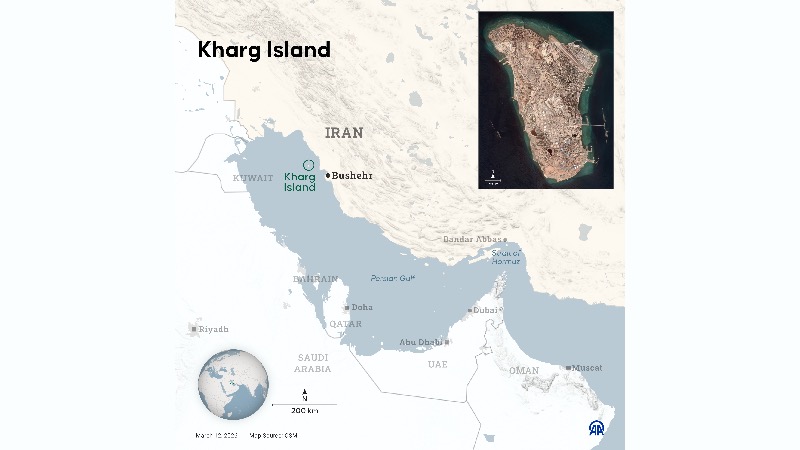
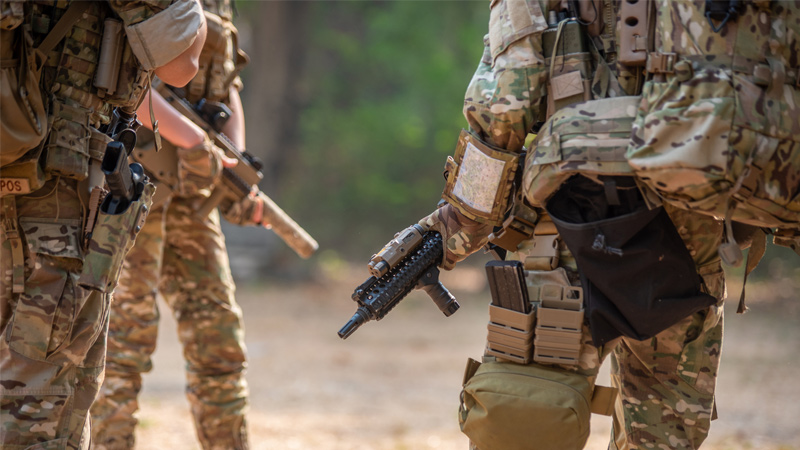
Reports from both liberal- and conservative-aligned outlets agree that the Pentagon and broader U.S. defense establishment are actively drafting and refining options for potential ground operations in Iran, particularly focused on the Strait of Hormuz and nearby strategic islands. Both sides cite the large-scale movement of additional U.S. forces into the broader Middle East, with figures around tens of thousands of troops being positioned or readied, and note that Marine reservists and other units have been told to prepare for possible combat. Coverage converges on Iran’s explicit threats in response: senior Iranian officials, including the parliament speaker and Revolutionary Guard figures, have publicly warned that any U.S. ground incursion would lead to American troops and their regional partners being “set on fire” and face enduring retaliation. Both liberal and conservative sources also acknowledge that universities and civilian institutions in the region are shifting to remote learning due to threats of tit-for-tat strikes on educational facilities, and that there is active, sometimes alarmed, discussion among U.S. lawmakers and political figures over any move from air and maritime operations toward ground combat.
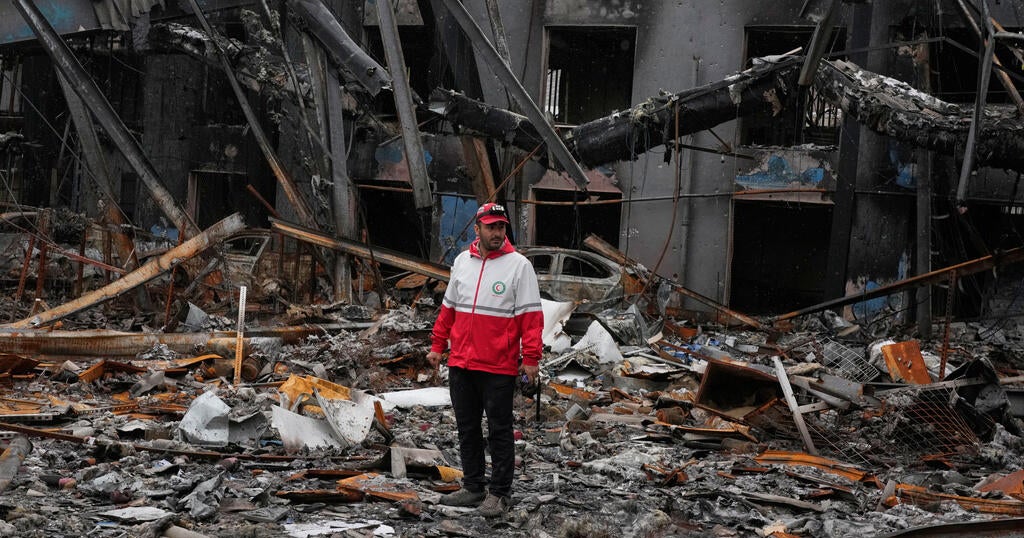
Across the spectrum, reporting situates these possible ground operations within the broader context of a protracted U.S.–Iran confrontation, energized by earlier escalatory moves such as economic warfare over Iran’s energy exports, threats to seize or block oil shipments, and past talk of “destroying” Iran’s oil infrastructure. Both liberal and conservative sources tie the current planning to President Trump’s longstanding hard line on Iran, including prior rhetorical threats and sanctions, and to a conflict that has already inflicted heavy material costs, damaged bases, and disrupted global energy supply chains. Outlets on both sides describe a regional environment in which Iran-backed actors, such as Yemen’s Houthis, have entered or deepened their role in the conflict, increasing risks to shipping lanes and global markets. There is shared recognition that any U.S. decision to move from air and naval operations to ground invasions or raids would mark a significant escalation, with high risks of military casualties, prolonged entanglement, and further destabilization of the region.
Areas of disagreement
Motives and decision-making. Liberal-aligned coverage tends to frame Trump’s contemplation of ground operations as driven by personal and political motives, including a desire to avoid humiliation and to escape the consequences of an ill-conceived war. Conservative outlets, by contrast, usually present the push toward ground options as a response to Iranian aggression, strategic imperatives in the Strait of Hormuz, and the need to protect U.S. assets and allies. Liberal sources emphasize impulsiveness and opportunism in how the war was launched and is being managed, while conservative sources emphasize resolve, deterrence, or at times reluctant necessity.
Tone on escalation and risk. Liberal reporting generally stresses the “sheer folly” and catastrophic potential of putting boots on the ground in Iran, highlighting fears of quagmire, massive casualties, and blowback against U.S. interests. Conservative coverage is often more alarmist in style about the immediacy of war—talking of imminent multiple invasions—but can be more ambivalent on whether escalation is desirable, with some voices warning against it and others treating it as a hard but viable option. Where liberal outlets underscore de-escalation and diplomacy as the only rational path, conservative outlets split between hawkish narratives that justify tough action and noninterventionist arguments urging a rapid end to the war.
Legitimacy and responsibility. Liberal sources frequently argue that Trump “foolishly and opportunistically” launched the conflict, question whether there are clear objectives for any ground deployment, and cast blame on the administration for cornering itself into considering invasion. Conservative-aligned commentary, especially from noninterventionist figures, often focuses instead on institutional overreach, emphasizing that the Iran war is a “war of choice” waged without proper Congressional authorization and adding it to a list of establishment “deadly mistakes.” Liberal coverage tends to concentrate responsibility on Trump personally and on his inner circle, while conservative critics more often blame a broader bipartisan war-making consensus and the Pentagon or “Department of War.”
Endgame and policy prescriptions. Liberal coverage typically calls for immediate de-escalation through unconditional or robust negotiations, arguing that diplomatic off-ramps are being ignored because of Trump’s personality and political calculus. Conservative coverage is more fragmented: some hawkish voices focus on winning or coercing Iran through shows of force and possible invasions or blockades, while others, like Ron Paul, call unequivocally for bringing the troops home and ending the war now. Liberal sources frame reform as restraining presidential adventurism and re-centering diplomacy, whereas conservative critics often stress reasserting Congressional war powers and avoiding further drain on U.S. blood and treasure.
In summary, liberal coverage tends to portray the ground-operation planning as an avoidable, leader-driven escalation of a failing war that demands urgent diplomacy and restraint, while conservative coverage tends to either justify the buildup as a reaction to Iranian threats or fold it into a broader critique of endless, unauthorized wars and the national-security establishment.