


liberal
The Supreme Court Has Heard This One Before
Fringe elements of American society have never accepted that birthright citizenship is the law of the land.
10 days ago
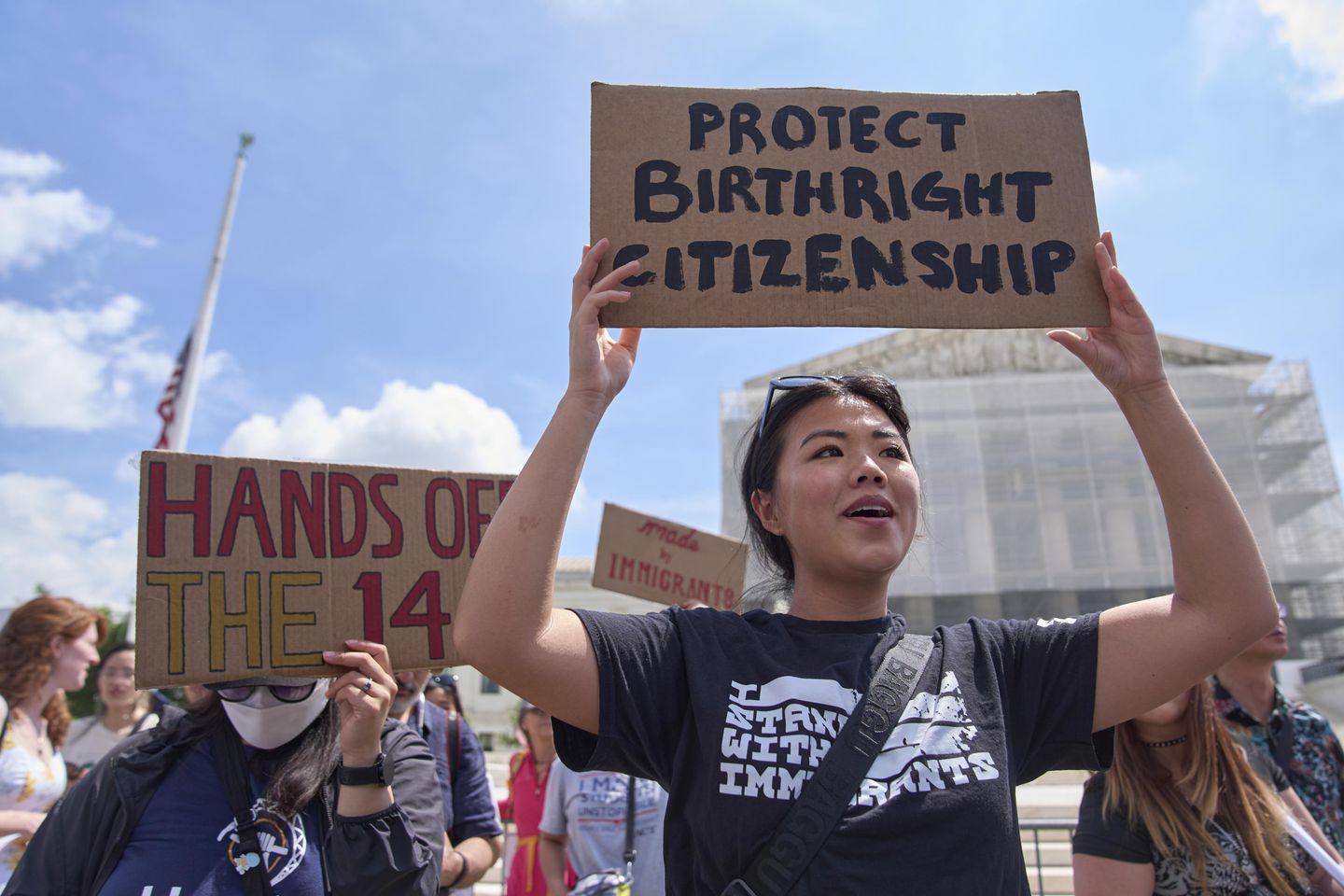
The Supreme Court is preparing to hear a closely watched case on birthright citizenship stemming from a Trump-era executive order that seeks to deny automatic citizenship to children born in the United States to parents who are undocumented or on temporary visas. Across both liberal- and conservative-leaning coverage, outlets agree that the legal dispute turns on the proper interpretation of the 14th Amendment’s Citizenship Clause and its phrase "subject to the jurisdiction thereof," and that lower courts have blocked the order, setting up a decisive Supreme Court review. Both sides describe this as a landmark or historic case with potentially sweeping implications for immigration policy, including impacts on so‑called birth tourism and on families whose legal status depends on U.S.-born children, and they note that arguments are being heard this term with a ruling expected by late June or early July.
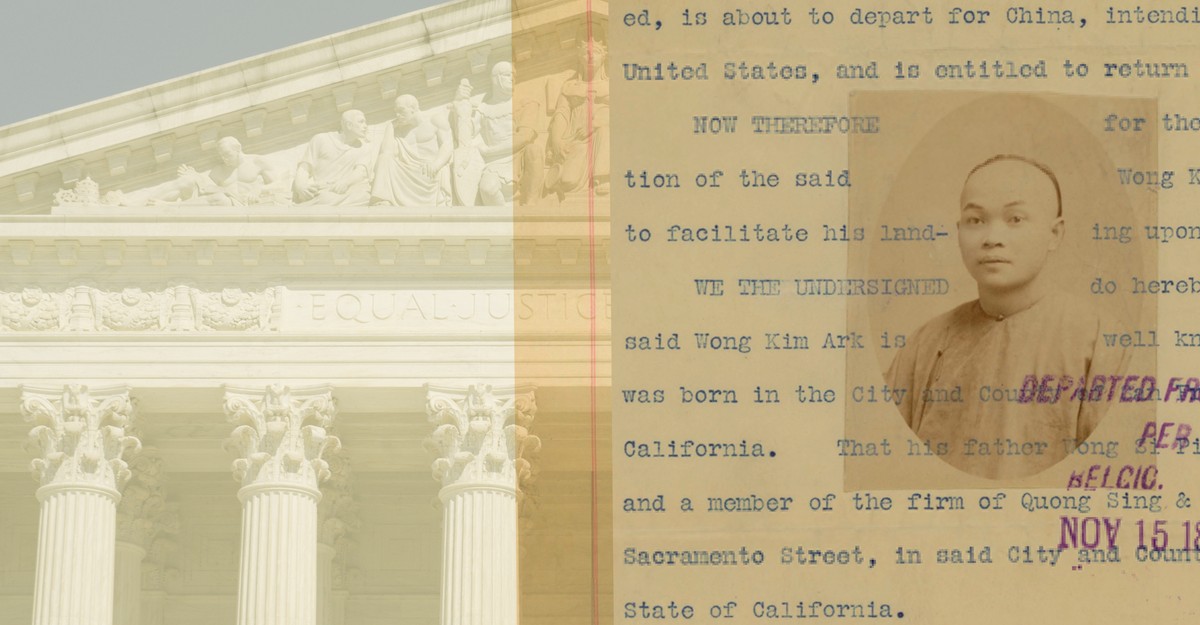
Coverage on both sides also acknowledges that the current controversy revisits questions first addressed in the 1898 Supreme Court decision in United States v. Wong Kim Ark, which recognized citizenship for a U.S.-born child of Chinese immigrants, and that this precedent will likely be central to the Court’s analysis. Liberal and conservative reports alike portray the case as part of a broader, long‑running debate over the scope of birthright citizenship, noting that politicians and advocacy groups have periodically challenged its reach for more than a century, often in the context of larger fights over immigration restriction. They concur that the decision could reshape how constitutional text, historical practice, and executive power interact in defining who is an American citizen, and that the ruling will reverberate beyond the litigants to affect immigration enforcement, family unity, and future policy reforms.
Nature of the dispute. Liberal-aligned outlets frame the case as a direct challenge to a well-settled constitutional guarantee, emphasizing that Wong Kim Ark has long been understood to protect nearly all children born on U.S. soil regardless of parental status. Conservative sources, by contrast, characterize the issue as an unresolved question that has lingered for more than 160 years, arguing that the precise application of "subject to the jurisdiction" to children of illegal immigrants has never been definitively settled. Liberals thus present the Court as revisiting a closed matter, while conservatives portray it as finally clarifying an ambiguity.
Characterization of Trump’s order and motives. Liberal coverage tends to cast Trump’s executive order as an aggressive, legally dubious attempt to unilaterally rewrite constitutional citizenship rules in service of a hard‑line anti‑immigration agenda. Conservative coverage generally treats the order as a legitimate test case or corrective, describing it as an effort to align citizenship practices with the original meaning of the 14th Amendment and curb perceived abuses. While liberals emphasize potential overreach and disregard for precedent, conservatives highlight executive leadership in forcing judicial clarification.
Framing of consequences and affected groups. Liberal outlets stress potential harms to immigrant families, including the risk of creating a large population of U.S.-born noncitizens and destabilizing communities, and they warn of ripple effects for civil rights and equal protection. Conservative outlets more often focus on curbing what they call the "anchor baby" phenomenon and the "birth tourism" industry, framing the case as a chance to close a loophole that allegedly incentivizes illegal immigration. Liberals foreground humanitarian and constitutional-rights stakes, whereas conservatives emphasize deterrence, sovereignty, and system integrity.
Use of historical and legal precedent. Liberal coverage highlights the continuity between today’s challenge and earlier, often nativist, efforts like those by the Native Sons of the Golden West, suggesting that attempts to narrow birthright citizenship repeat exclusionary patterns the Court has previously rejected. Conservative coverage instead underscores constitutional text and selective historical arguments to claim that the framers of the 14th Amendment did not intend to grant automatic citizenship to children of those unlawfully present. As a result, liberals depict precedent as firmly on the side of broad birthright citizenship, while conservatives argue that original meaning and long‑standing ambiguity justify a narrower interpretation.
In summary, liberal coverage tends to portray the case as a dangerous attempt to roll back a settled constitutional protection and threaten immigrant communities, while conservative coverage tends to present it as a long-overdue clarification of an ambiguous provision aimed at curbing abuse of U.S. citizenship and reinforcing national sovereignty.