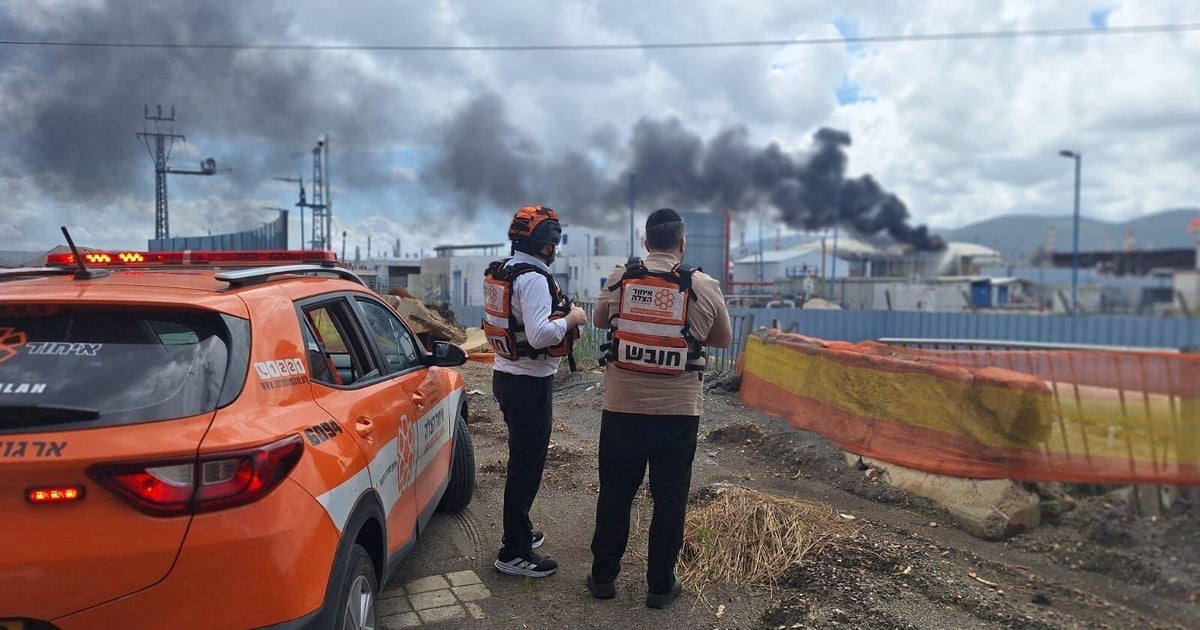
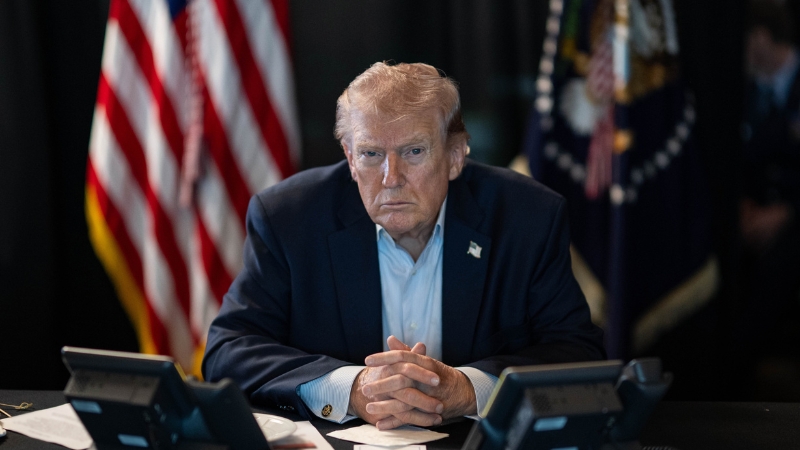
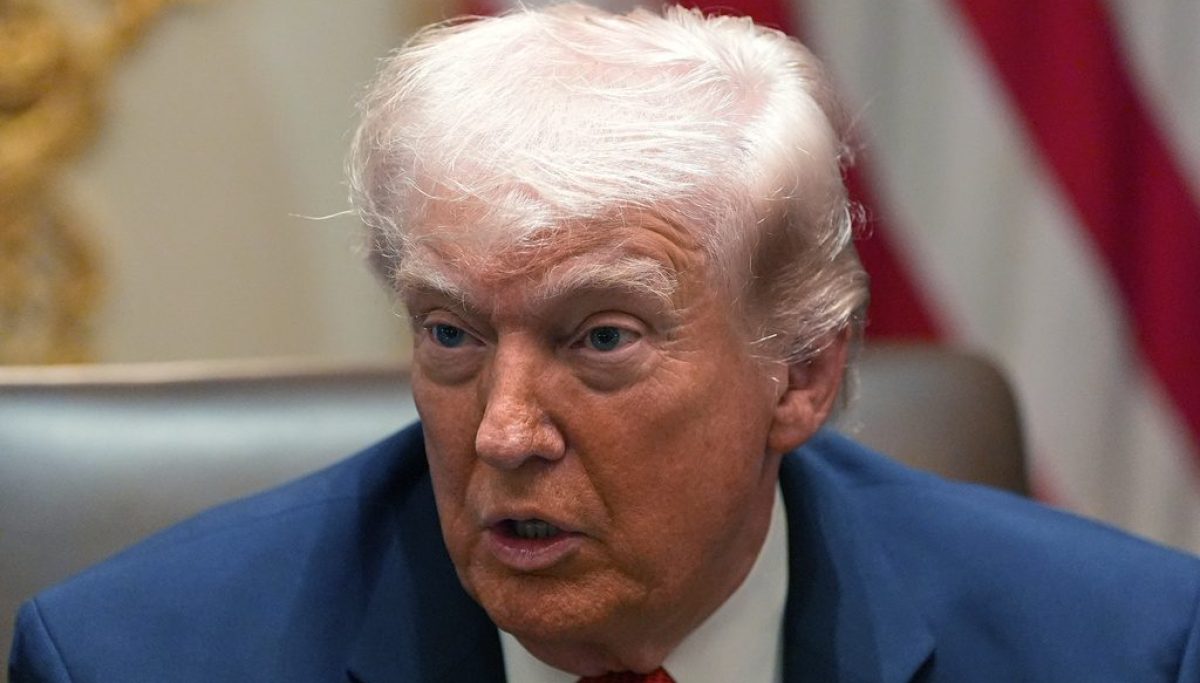
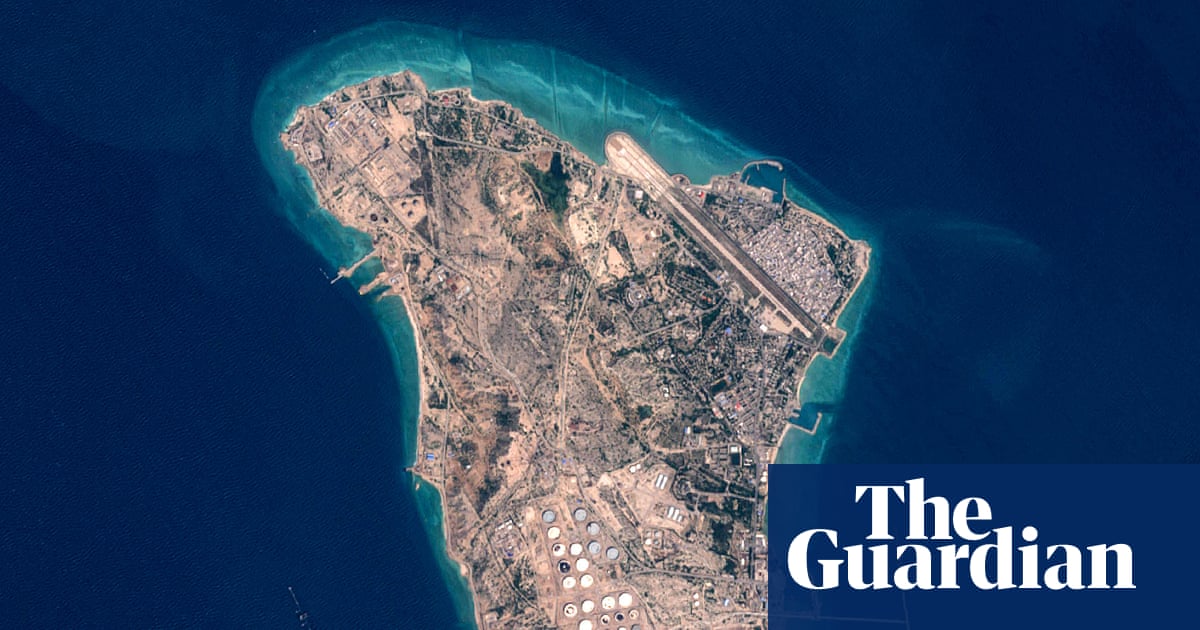
Trump has repeatedly threatened to "obliterate" or destroy key elements of Iran's infrastructure, including electric power plants, oil wells, Kharg Island, desalination and water systems, and broader energy facilities, if a ceasefire or peace deal is not reached soon and the Strait of Hormuz is not reopened to oil shipping. Both liberal- and conservative-aligned outlets agree that these statements come amid an ongoing war involving U.S. and allied strikes in Iran, sharply reduced shipping traffic through the Strait, and active U.S. planning for potential ground operations targeting Kharg Island and other strategic sites. Coverage on both sides notes that Trump says "serious discussions" are underway with what he calls a “new, more reasonable” Iranian regime to end U.S. military operations, highlights an April 6 deadline he has floated for reopening Hormuz, and reports that Iran has allowed a limited number of oil tankers (around 20) through as a sign of engagement. Both agree that Trump is explicitly tying the threat of massive attacks on Iran’s energy grid and related infrastructure to Iran’s compliance on reopening the Strait and reaching a broader deal.
Liberal and conservative sources also converge on the economic and regional context surrounding the threats, reporting that Brent crude has spiked to roughly $116–117 per barrel, global markets have turned volatile, and central bankers like Federal Reserve Chair Jerome Powell are signaling caution as energy prices surge and inflation risks re-emerge. Both sets of outlets describe the Strait of Hormuz as a critical chokepoint for global oil flows and Kharg Island as the main hub for Iran’s oil exports, emphasizing that any large-scale destruction there would reverberate across the world economy and the Middle East. They further agree that U.S. officials portray the talks as aimed at ending or winding down American military operations in Iran and degrading Iran’s ability to threaten regional shipping, and they acknowledge international concern that escalation could spread across the region, particularly through reciprocal strikes on energy and water infrastructure in neighboring Gulf states.
Areas of disagreement
Motives and strategy. Liberal-aligned outlets typically frame Trump’s threats as reckless escalation and a form of coercive brinkmanship that risks a wider regional war and severe humanitarian harm, emphasizing the contradiction between talk of peace and vows to annihilate civilian infrastructure. Conservative sources, by contrast, tend to depict the threats as a deliberate pressure tactic designed to force Tehran’s hand, arguing that only overwhelming, credible force can bring a hostile regime to serious negotiations. Liberal coverage is more likely to question whether such threats undermine diplomacy, while conservative coverage presents them as the very reason Tehran is engaging at all.
Legality and ethics. Liberal sources foreground criticism from human rights groups and international voices that warn attacking power grids, desalination plants, and oil export hubs could constitute collective punishment or war crimes, highlighting the civilian dependence on these systems. Conservative coverage generally downplays legal and ethical critiques, instead stressing Iran’s long “reign of terror,” its attacks on shipping, and U.S. casualties as grounds for harsh retaliation. Where liberal outlets stress international law and norms protecting civilian infrastructure, conservative outlets emphasize deterrence and retribution as morally justified responses to Iranian aggression.
Framing of Iran and the war. Liberal-aligned reporting tends to focus on the immediate humanitarian risk inside Iran and the broader region, treating Iran’s leadership as repressive but still distinguishing the population from the regime, and highlighting external calls for ceasefire and de-escalation. Conservative outlets foreground Iran’s four-decade history of sponsoring militias and killing Americans, often repeating the “47-year reign of terror” narrative and casting the current government (or a “new, more reasonable” faction) primarily as a security threat that must be forced to change behavior. Liberal coverage underscores the dangers of spiraling conflict and potentially open-ended U.S. involvement, while conservative coverage stresses finishing the operation quickly by decisively degrading Iran’s military and energy capacity.
Economic and geopolitical impact. Liberal sources focus heavily on market instability, oil price spikes, and the risk that infrastructure attacks could trigger a global economic shock and a prolonged energy crisis, linking Trump’s rhetoric to investor jitters and central bank caution. Conservative outlets acknowledge price moves and potential regional fallout but more often frame the economic angle through energy dominance, hints at taking control of Iranian oil, and the need to secure shipping lanes for the long term. Liberal coverage tends to present the threats as aggravating global insecurity and financial volatility, whereas conservative coverage often suggests that establishing U.S.-backed control and compelling Iran to reopen Hormuz would ultimately stabilize markets and protect allies.
In summary, liberal coverage tends to cast Trump’s infrastructure threats as dangerous, potentially unlawful escalation that heightens humanitarian and economic risks, while conservative coverage tends to describe them as tough but necessary leverage to end the war, punish Iranian aggression, and restore regional stability.