



conservative
US Has No Problem With Russian Oil Tanker Sending Supply to Cuba, Trump Says
This came as a Russian-flagged oil tanker carrying about 730,000 barrels of oil was heading to the Port of Matanzas in Cuba.
10 days ago
A Russian-flagged, sanctioned oil tanker carrying about 730,000 barrels of oil was allowed to reach Cuba and dock at the port of Matanzas, reportedly marking the first such large tanker delivery in roughly three months and the first Russian shipment of the year. Both liberal- and conservative-leaning outlets agree that President Donald Trump publicly said he had "no problem" with Russia or other countries sending oil to Cuba, that he indicated the U.S. Coast Guard would not obstruct the vessel despite an existing U.S. oil blockade policy, and that the shipment was framed by all sides as a form of relief for an island struggling with fuel shortages.
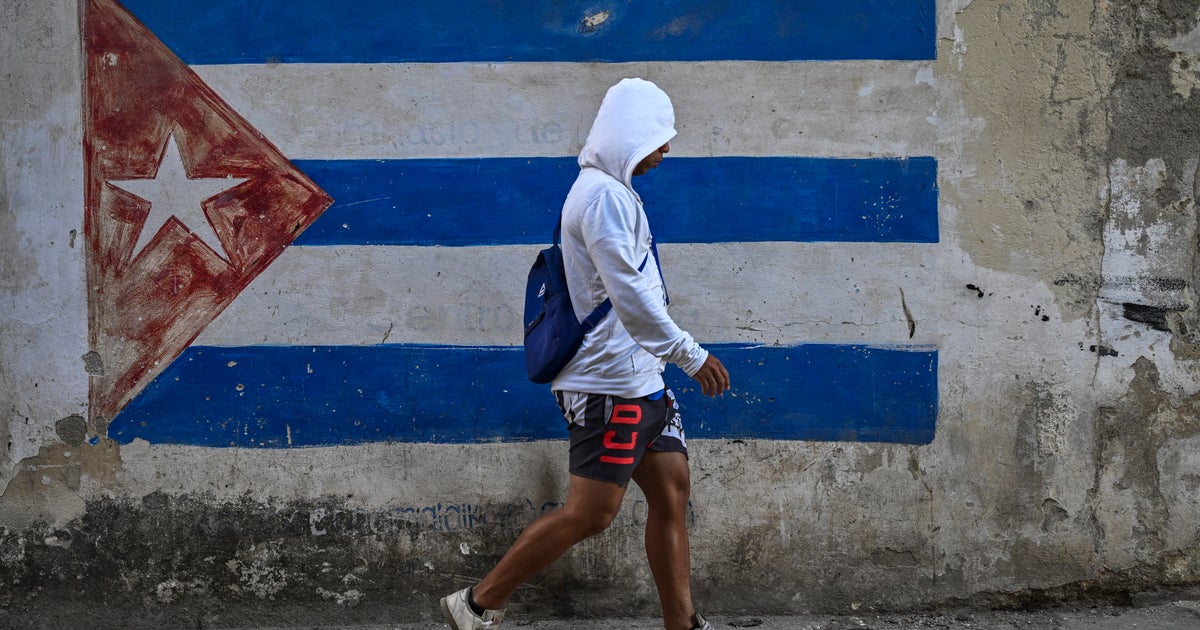
Coverage across the spectrum emphasizes that Cuba has been experiencing a severe energy crunch, with reports of power blackouts and strain on essential services such as hospitals, making imported oil crucial for basic functioning. Both liberal and conservative sources situate the event within broader geopolitical tensions involving the United States, Russia, and Cuba, noting that the shipment is seen by Moscow as fulfilling a duty to assist a fuel-starved ally while Washington maintains a formal blockade framework even as Trump temporarily relaxes its enforcement. They also concur that the episode underscores the continuing economic vulnerability of Cuba and the strategic leverage that both Russia and the U.S. exercise through energy flows.
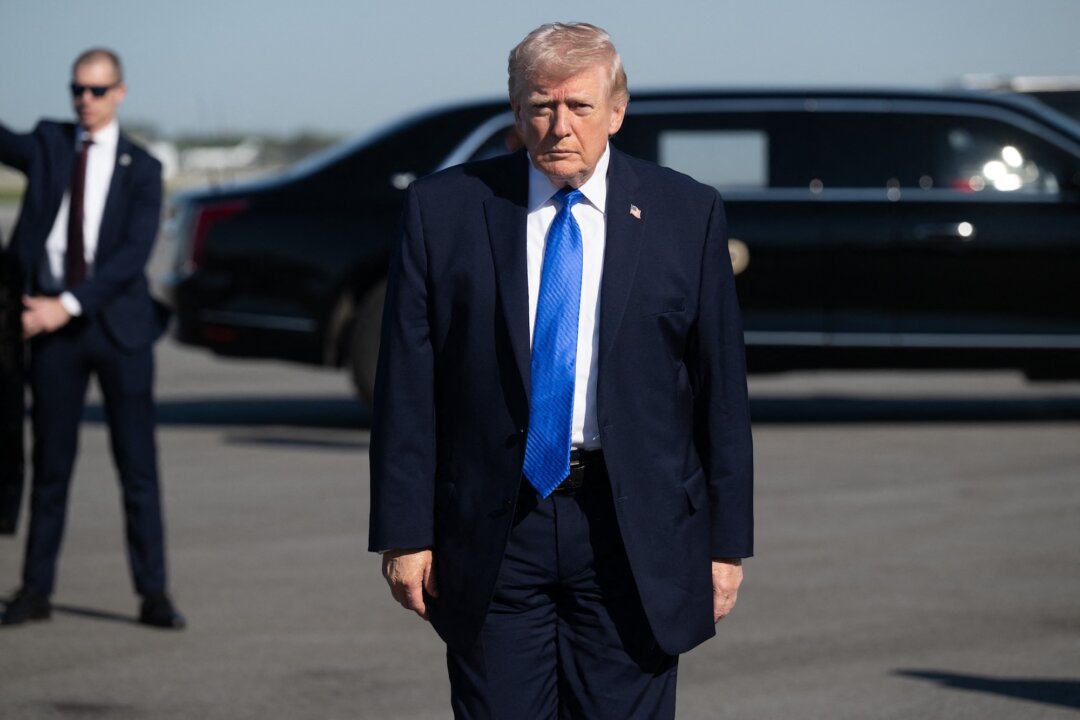
Motives and strategic framing. Liberal-aligned outlets tend to portray Trump’s "no problem" comment as an incongruous softening toward Russia and Cuba that undercuts his own hardline blockade policy and highlights inconsistencies in his approach to authoritarian regimes. Conservative outlets, by contrast, generally frame his remarks as a tactical, limited exception made on humanitarian and strategic grounds, suggesting he believes the shipment won’t meaningfully benefit Russia and that Cuba is destined to fail due to its leadership.
Humanitarian versus ideological emphasis. Liberal coverage places stronger emphasis on Cuba’s internal hardship—fuel shortages, blackouts, and impacts on hospitals—and on Russia’s claim that it is providing a lifeline to a "fuel-starved" island, implicitly highlighting the human cost of U.S. sanctions. Conservative coverage acknowledges Cuban suffering but more often weaves it into a narrative about the failures of the Cuban government and socialism, stressing that even with this oil relief the regime remains economically mismanaged and politically repressive.
Characterization of U.S. policy shift. Liberal sources tend to describe Trump’s stance as a notable easing or softening of the oil blockade he had previously tightened, sometimes implying it reflects erratic or personalized foreign policymaking rather than a clear strategic doctrine. Conservative sources more often depict it as a narrow, controlled relaxation of enforcement that does not fundamentally change the administration’s tough stance on Cuba, presenting it as evidence that Trump can be pragmatic without abandoning pressure on Havana.
Implications for Russia and geopolitics. Liberal-aligned reporting is more likely to underscore how allowing a sanctioned Russian tanker to proceed illustrates the enduring influence of Moscow in the Western Hemisphere and may signal U.S. inconsistency in confronting Russian actions. Conservative reporting, while noting Russia’s role, generally stresses Trump’s assertion that the shipment does little to materially assist Vladimir Putin, framing the episode as a minor exception that does not alter the broader U.S. posture toward Russia or the regional balance.
In summary, liberal coverage tends to highlight the humanitarian stakes in Cuba and the apparent inconsistency of Trump’s soft line on this Russian shipment against the backdrop of his own blockade, while conservative coverage tends to stress the limited, tactical nature of the exception and fold the story into a broader narrative of Cuban regime failure and Trump’s continued toughness on adversaries.