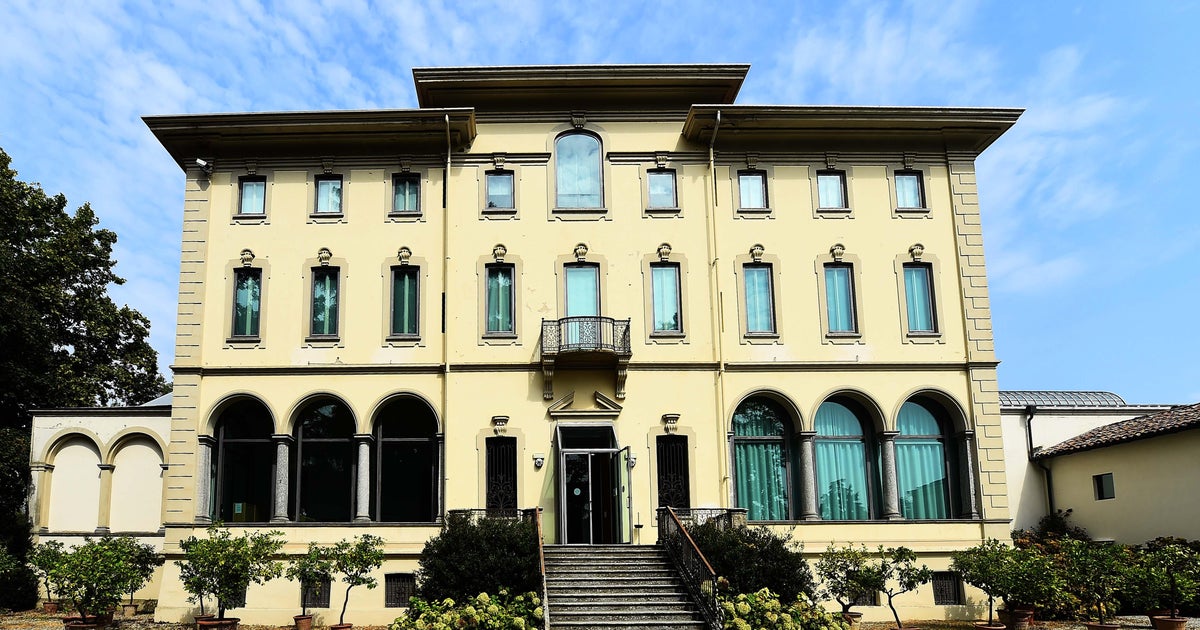
Thieves stole three paintings by Renoir, Cézanne, and Matisse from the Magnani Rocca Foundation, a private museum near Parma in northern Italy, in an overnight heist. Both liberal and conservative outlets agree that the theft involved at least three paintings worth several million euros in total, that the operation was completed in under three minutes, and that Italian police have confirmed the incident and opened an investigation, treating it as the work of a professional or organized gang. Reports from both sides describe a rapid break-in through a rear or less-guarded access point, the triggering of an alarm that cut the theft short, and the thieves’ successful escape before authorities could arrive.
Coverage also converges on the broader context of high-value art theft in Europe, portraying the Magnani Rocca Foundation as a notable but not globally famous private museum whose collection includes significant works by major impressionist and modernist painters. Outlets on both sides reference the difficulty of selling such recognizable masterpieces on the legitimate art market, alluding to prior cases where stolen works became effectively unsellable and ended up used as bargaining chips or for ransom-like reward negotiations. Shared background includes mention of standard museum security measures such as alarms and gates, and the suggestion that the thieves likely had prior knowledge of the museum layout and the specific location of the targeted paintings.
Areas of disagreement
Framing of the heist. Liberal-aligned sources emphasize the cinematic speed and precision of the operation, highlighting details like the thieves being masked, entering through a back gate, and forcing open a door before the alarm truncated the raid. Conservative coverage so far is more stripped-down, mentioning confirmation of the theft and its location without dwelling on dramatic narrative elements or speculating heavily about the professionalism of the gang.
Motives and market dynamics. Liberal outlets give more space to expert voices who argue that the paintings are too famous to be sold openly, floating theories that the thieves may aim for a reward, private coercive sale, or leverage in future negotiations. Conservative pieces tend to mention the high value and renown of the works but stop short of detailed theorizing, leaning toward a simple portrayal of the crime as a high-end theft rather than a complex art-market maneuver.
Security and institutional responsibility. Liberal coverage more readily hints at questions around museum security and preparedness, implicitly raising whether a private foundation had adequate protection for such valuable works given the rapid success of the thieves. Conservative accounts, while noting that the theft happened at a private museum, generally avoid suggesting institutional negligence, focusing instead on the brazenness of criminals and the challenge faced by law enforcement.
Cultural significance and public impact. Liberal-oriented reporting places more emphasis on the cultural loss to Italy and the global art community, highlighting the symbolic weight of Renoir, Cézanne, and Matisse being stolen from public view. Conservative outlets acknowledge the importance of the artists but give relatively more emphasis to the monetary value and the incident as an example of serious property crime, with less exploration of the broader cultural ramifications.
In summary, liberal coverage tends to frame the theft as a dramatic, culturally significant event that raises questions about art-world security and illicit markets, while conservative coverage tends to present it as a major but straightforward crime story centered on property loss and police investigation.