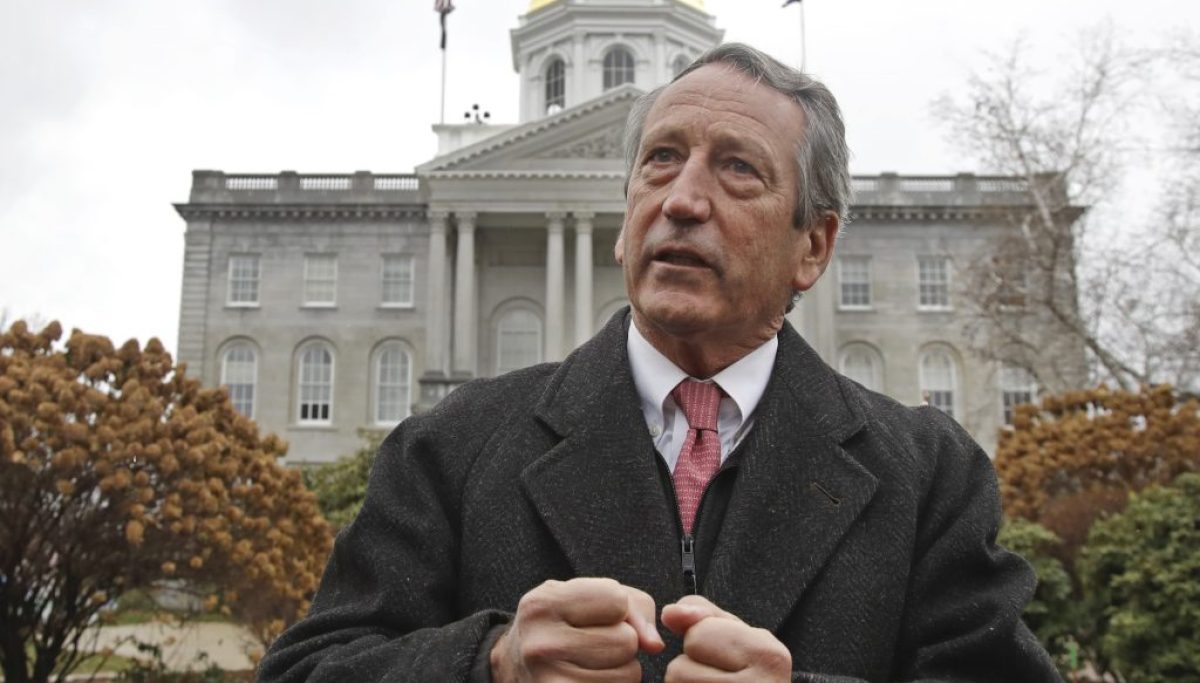
Former Republican representative and governor Mark Sanford has announced a comeback bid for his former U.S. House seat in South Carolina’s 1st Congressional District, according to both liberal and conservative coverage. Reports agree that the seat is open because the current Republican incumbent is running for governor, creating a competitive primary in a solidly Republican district. Outlets across the spectrum note Sanford’s long history with the district, his prior tenure as governor, his 2019 anti-Trump presidential primary bid, and his past loss in a Republican primary that ended his last stint in Congress. They also concur that the announcement comes relatively late in the cycle and that Sanford is positioning himself as a known quantity with deep name recognition in the Lowcountry.
Across ideologies, coverage emphasizes Sanford’s complicated political legacy: his early reputation as a fiscal conservative, his rise through South Carolina politics, and the 2009 extramarital affair scandal that derailed his national ambitions. Both sides highlight his break with Donald Trump and the broader tension within today’s Republican Party between traditional conservatives and pro-Trump populists. There is shared framing of this race as a test of whether a once-prominent, scandal-scarred figure with a history of criticizing Trump can still find a path back to office in a solid Republican district. Liberal and conservative sources alike describe institutional stakes for the GOP brand in South Carolina and the national party’s internal dynamics, even as they diverge on what those stakes mean.
Areas of disagreement
Framing Sanford’s record. Liberal-aligned outlets tend to foreground Sanford’s 2009 affair, ethics questions, and prior primary defeat as evidence of a damaged brand and a cautionary tale about political comebacks, sometimes casting his new bid as quixotic or backward-looking. Conservative outlets more often stress his earlier record as a budget hawk and small-government advocate, framing him as an experienced hand with proven policy instincts, while downplaying or briefly contextualizing past scandals as already litigated by voters.
Trump and party identity. Liberal coverage typically portrays Sanford’s open criticism of Donald Trump and his short-lived presidential primary challenge as central to the story, treating this race as a referendum on whether anti-Trump Republicans have any viable future in the party. Conservative coverage is more divided: some right-leaning outlets portray Sanford’s break with Trump as a liability in a loyalist primary electorate, while others treat it as a secondary issue and instead emphasize local concerns and his long-standing conservative credentials.
Significance of the race. Liberal sources often elevate the contest’s national importance, framing Sanford’s bid as a microcosm of the struggle between traditional conservatism and populist Trumpism, and questioning whether the GOP is willing to re-embrace pre-Trump figures. Conservative outlets more commonly present the race as a localized intra-party contest over style and electability in a safe Republican seat, suggesting that its broader implications for national politics are limited or speculative.
Prospects and electability. Liberal-leaning coverage tends to be skeptical about Sanford’s chances, stressing his prior loss, the time elapsed since he last held office, and the challenge of winning a primary in a Trump-aligned party after publicly opposing the former president. Conservative coverage is somewhat more open to the idea that his high name recognition, past service, and established network could make him competitive, while cautioning that the crowded field and changing primary electorate create significant hurdles.
In summary, liberal coverage tends to cast Sanford’s comeback attempt as a test of whether an anti-Trump, scandal-tarnished Republican can find relevance in today’s GOP and leans toward skepticism about his viability, while conservative coverage tends to emphasize his fiscal conservative legacy and local roots, treating his bid more as a serious, if uphill, contest within a safely Republican district.