conservative
Russian attacks kill 5 and wound more than 40 in Ukraine's Dnipro as 1 dies in Russia
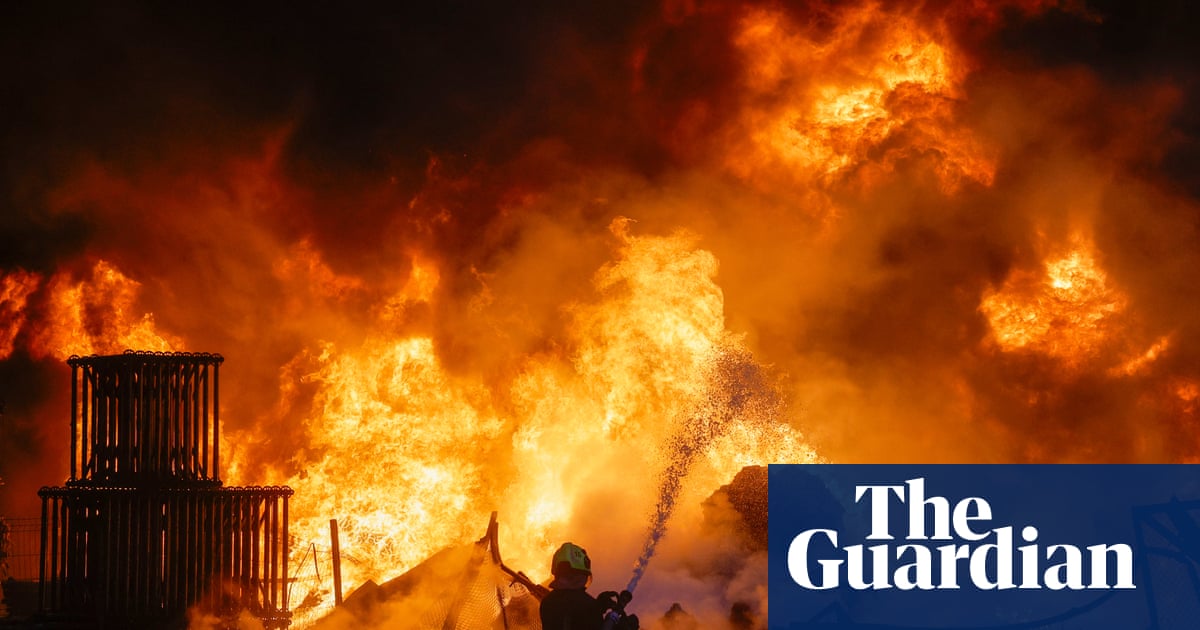
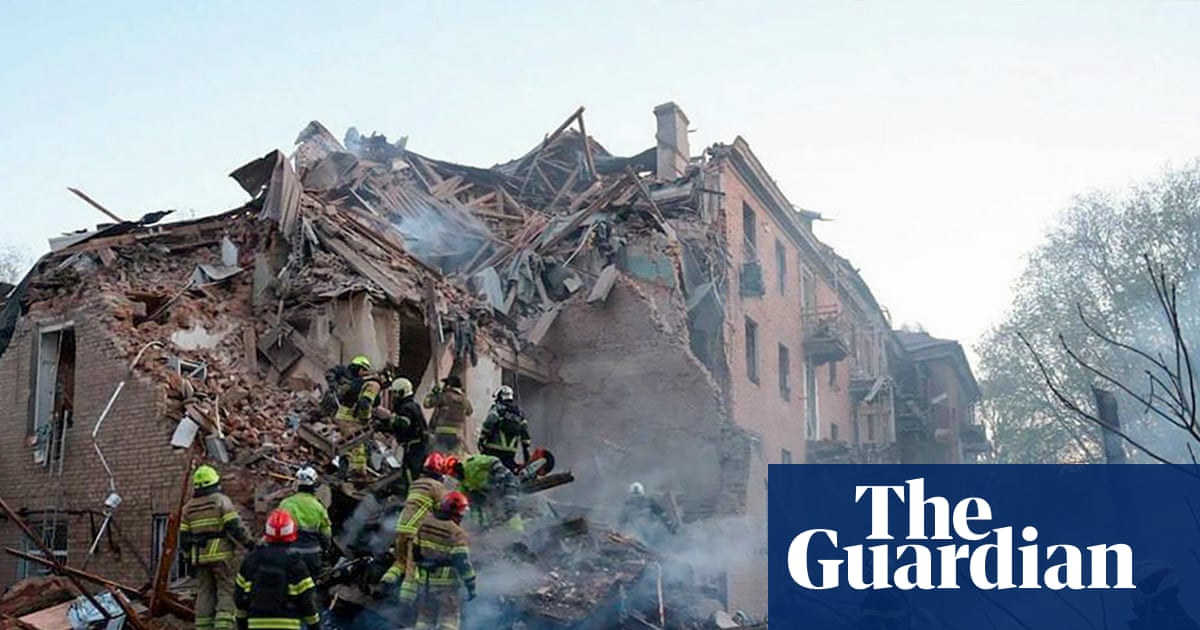
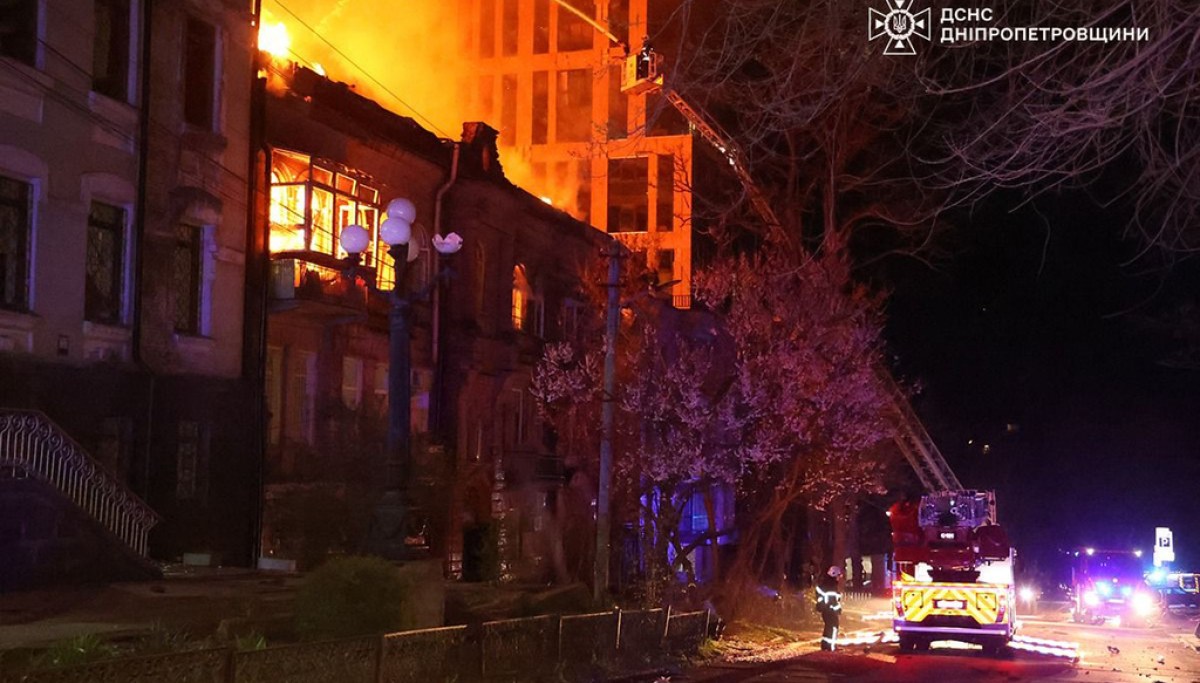
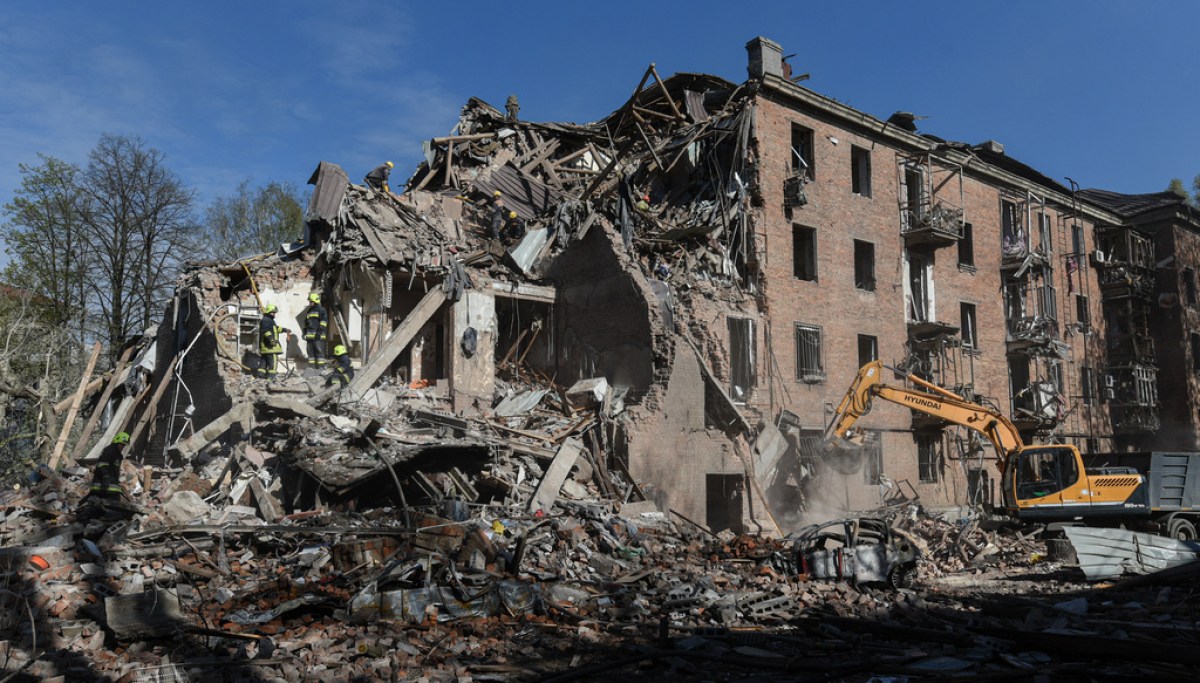
Russian drone and missile strikes on the Ukrainian city of Dnipro killed at least five people and wounded 46, authorities said Saturday.
15 days ago
Russian missile and drone strikes on the central Ukrainian city of Dnipro killed at least five people and wounded around 46, according to both liberal and conservative outlets, with attacks hitting residential buildings, businesses, and private homes overnight into Saturday. Coverage agrees that these strikes were part of a wider Russian barrage across Ukraine, with additional deaths reported in cities such as Odesa and Kyiv, and that Ukrainian officials described the attacks as deliberately targeting civilian areas. Both sides also note that during the same period a Ukrainian drone strike in Russia’s Belgorod region killed at least one person, and that the Dnipro attack was among the deadliest incidents after a relative lull in large-scale strikes.
Liberal and conservative sources concur that Ukrainian air defenses intercepted most of the incoming drones and missiles, even as some got through and caused casualties and damage, and that Ukrainian authorities framed the attacks as part of Russia’s ongoing strategy to pressure cities and critical infrastructure. They also agree that Ukrainian President Volodymyr Zelensky used the incident to highlight Ukraine’s need for more and better air defense systems and to underscore the broader context of intensifying cross-border strikes by both sides. Both perspectives situate the Dnipro attack within Russia’s ramped‑up drone and missile production and a possible renewed offensive phase, while mentioning ongoing diplomatic dimensions, including Zelensky’s appeals to allies and his stated openness to continued peace talks.
Framing of the strikes. Liberal-aligned outlets emphasize the Dnipro attack as one episode within a nationwide pattern of Russian assaults on Ukrainian cities, foregrounding the civilian victims and describing the action as part of broader indiscriminate bombardment. Conservative outlets more often frame it as a major discrete incident in Dnipro within a larger military escalation, stressing the combined death toll across Ukraine and portraying it as the most significant attack in months. While liberal coverage tends to stress continuity with previous civilian-targeted strikes, conservative coverage leans into the idea of a new phase or turning point in the conflict.
Causality and escalation. Liberal sources largely portray Russia as the primary escalator, focusing on the scale of its overnight drone and missile use and presenting Ukrainian strikes inside Russia, such as in Belgorod, mainly as retaliatory or defensive in nature. Conservative sources more explicitly pair the Dnipro deaths with the Belgorod fatality, underscoring that both sides are now conducting deeper cross‑border attacks and implicitly raising concerns about mutual escalation. The liberal narrative centers on Russian aggression against Ukraine’s population, whereas conservative reporting gives more weight to a two‑sided cycle of long‑range strikes.
Political messaging and strategic implications. Liberal coverage underscores Zelensky’s condemnation of the attacks as terrorism and highlights his appeals for more air defense support as a necessary response to protect civilians and uphold international norms. Conservative outlets also report his appeals, but place greater emphasis on how the scale of the assault reflects Russia’s increased weapons production and may signal an impending offensive, treating the Dnipro strike as evidence of shifting battlefield dynamics. As a result, liberal narratives focus more on humanitarian urgency and moral responsibility, while conservative narratives more heavily stress strategic calculations and the evolving military balance.
Peace talks and diplomatic prospects. Liberal-leaning sources mention diplomacy mainly through Zelensky’s outreach to Western allies and his push for security assistance, presenting negotiations as secondary to immediate defense needs. Conservative sources give more attention to Zelensky’s stated openness to continued peace talks and his suggestion of locations such as Azerbaijan, juxtaposing this with the ongoing exchange of strikes to question how realistic or near-term such talks might be. Thus, liberal coverage tends to cast diplomacy as a long‑term goal contingent on stronger defenses, while conservative coverage more readily foregrounds the tension between calls for peace and the intensifying military actions.
In summary, liberal coverage tends to frame the Dnipro attack primarily as another instance of Russian aggression against civilians that underscores the moral case for increased Western support, while conservative coverage tends to emphasize the incident as part of a broader escalation in a two‑sided conflict, highlighting strategic shifts, mutual cross‑border strikes, and the complex interplay between calls for aid and prospects for negotiation.