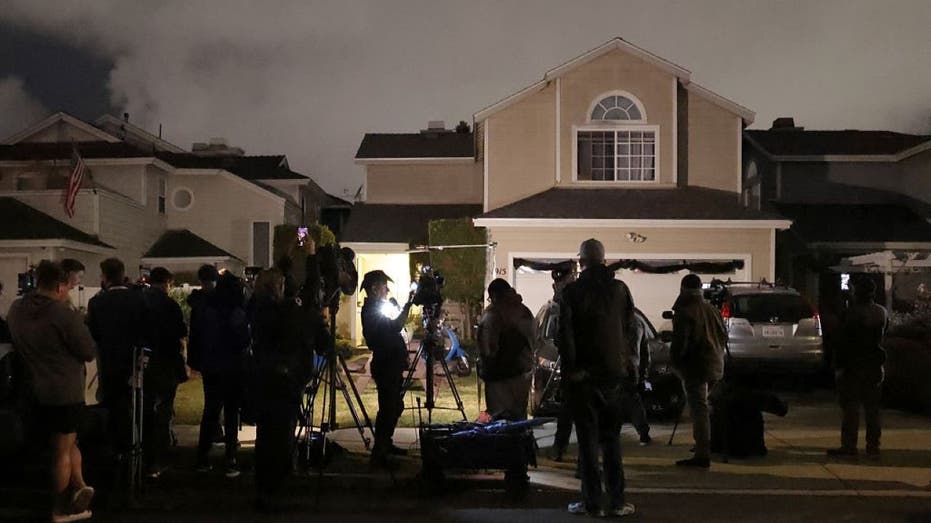
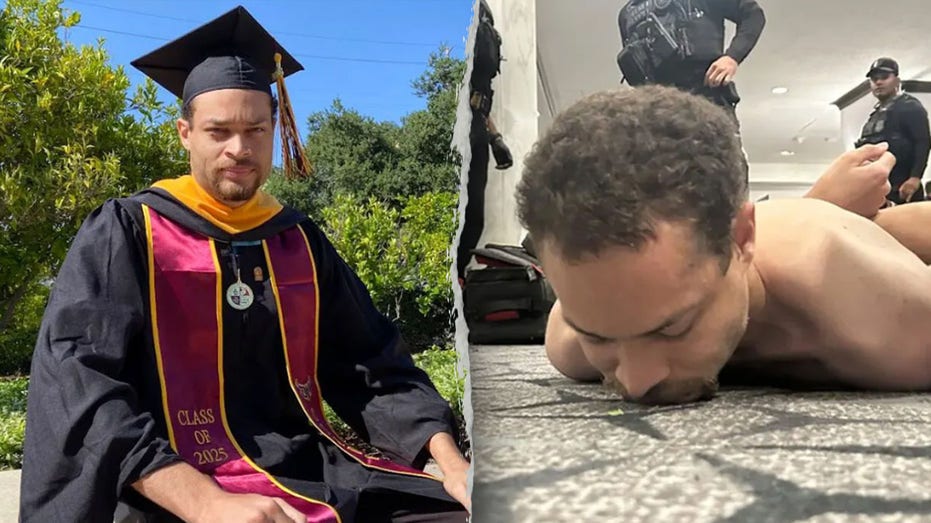
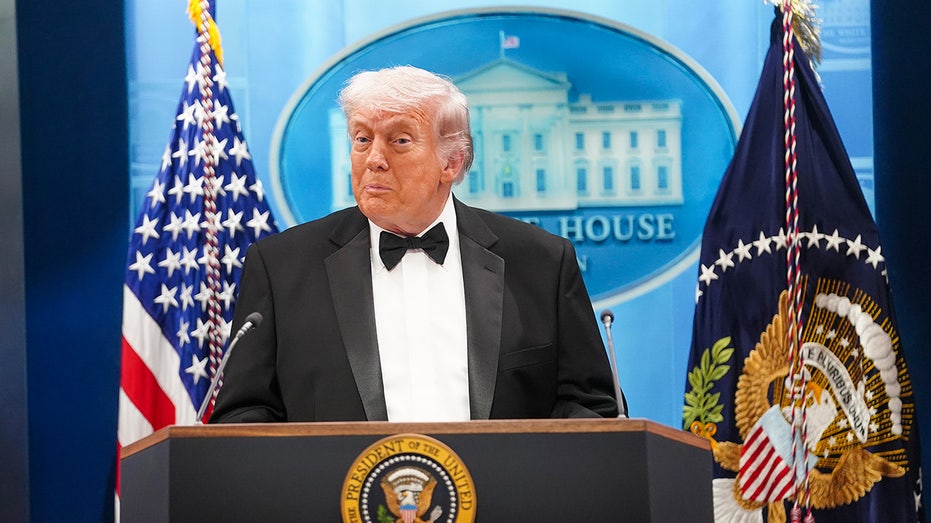
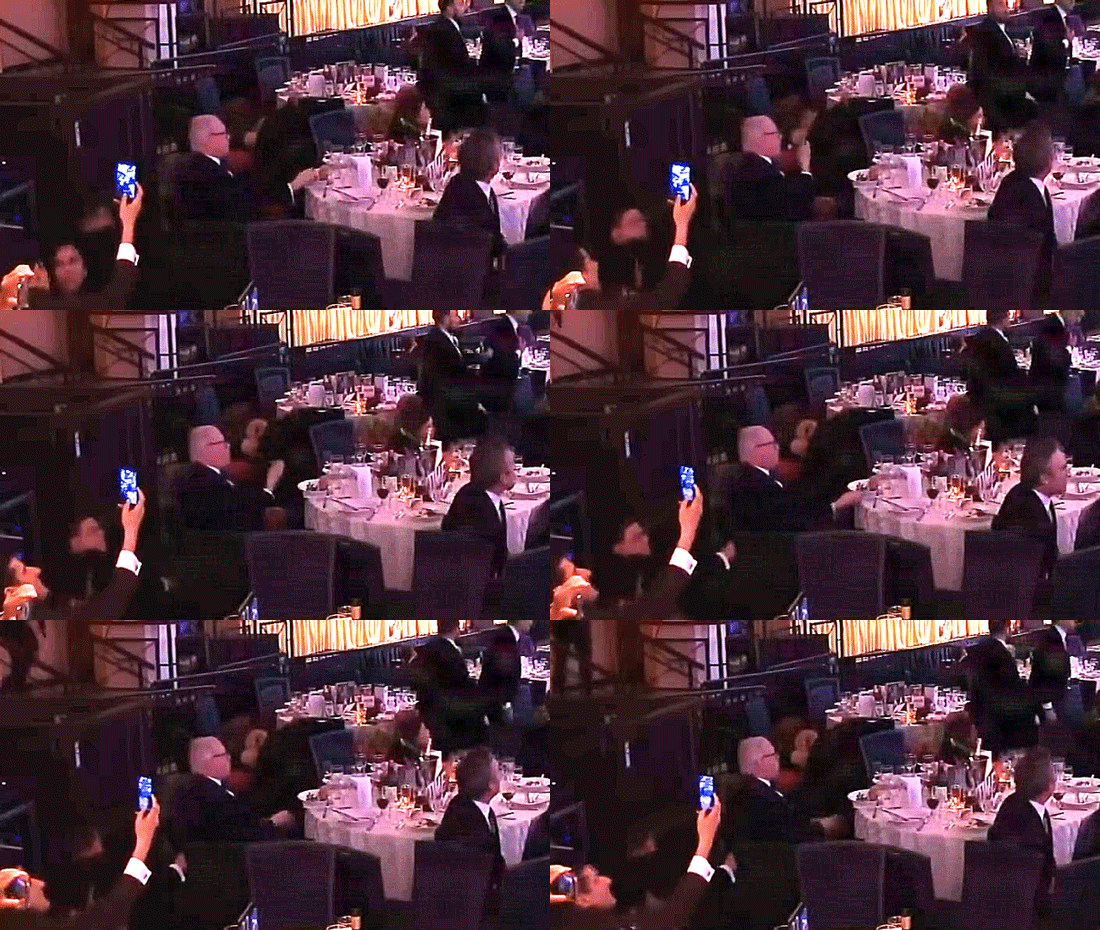
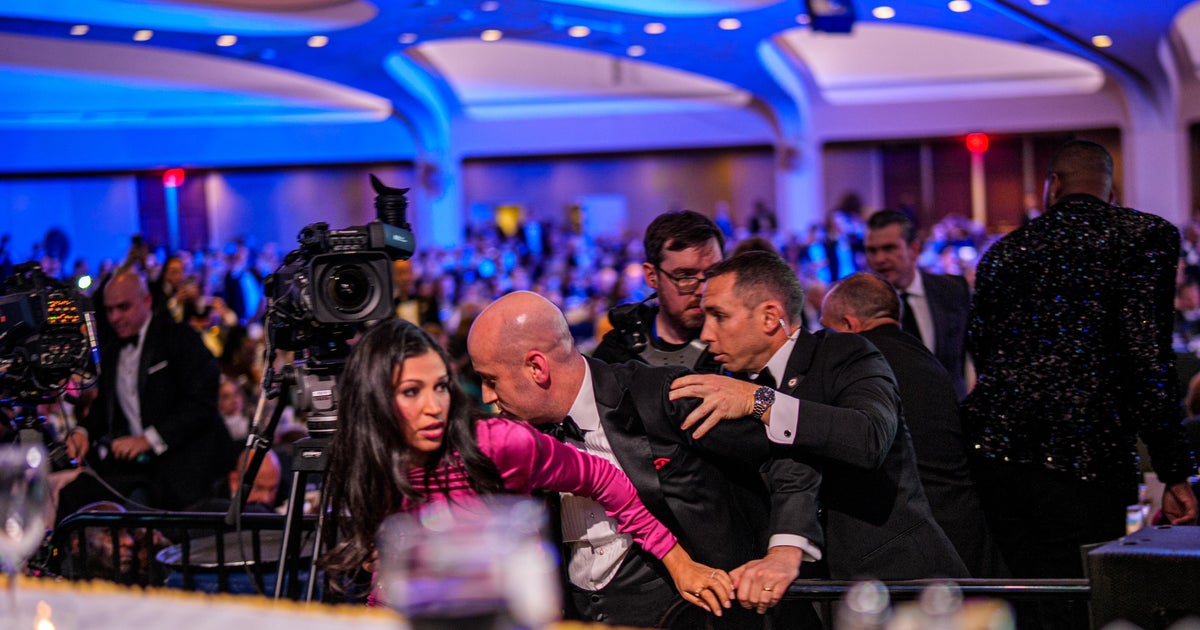
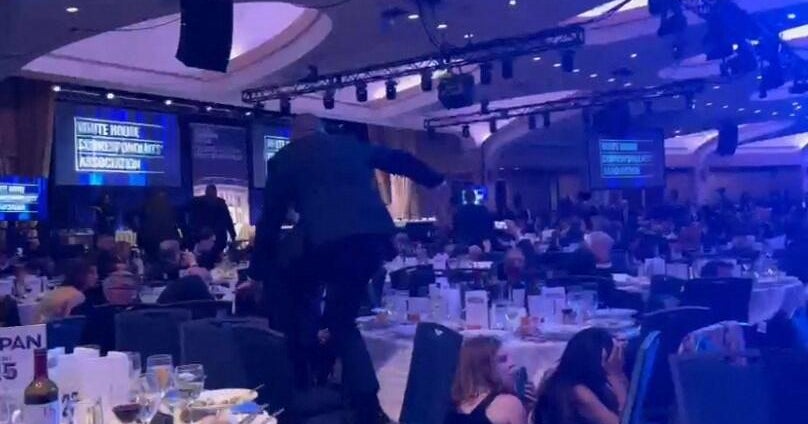
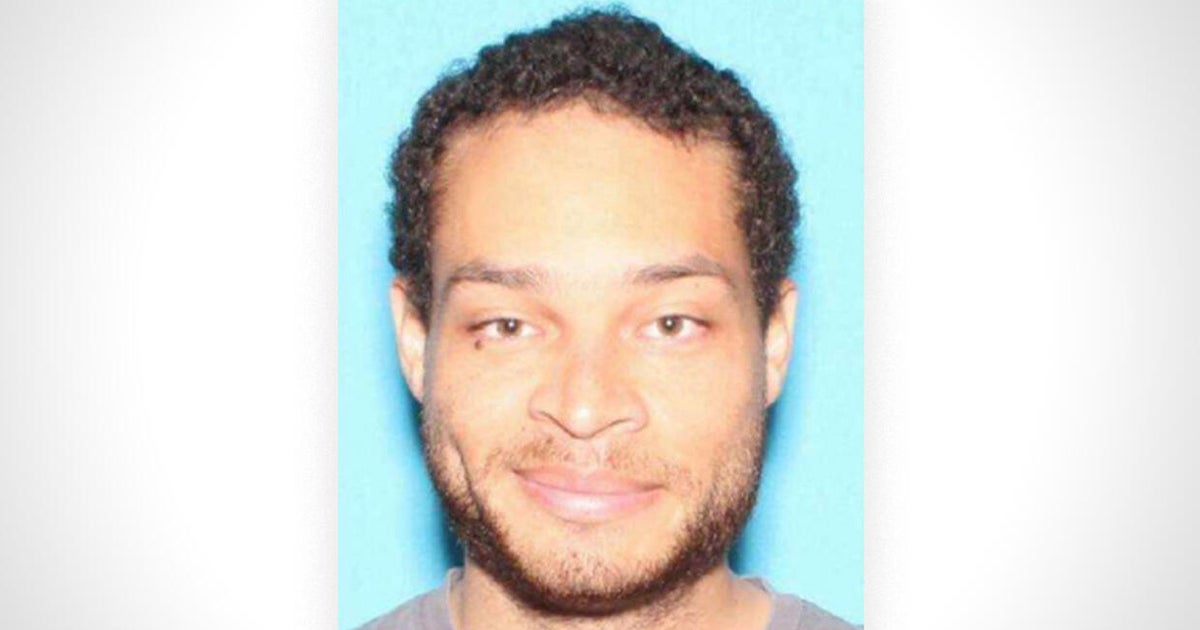
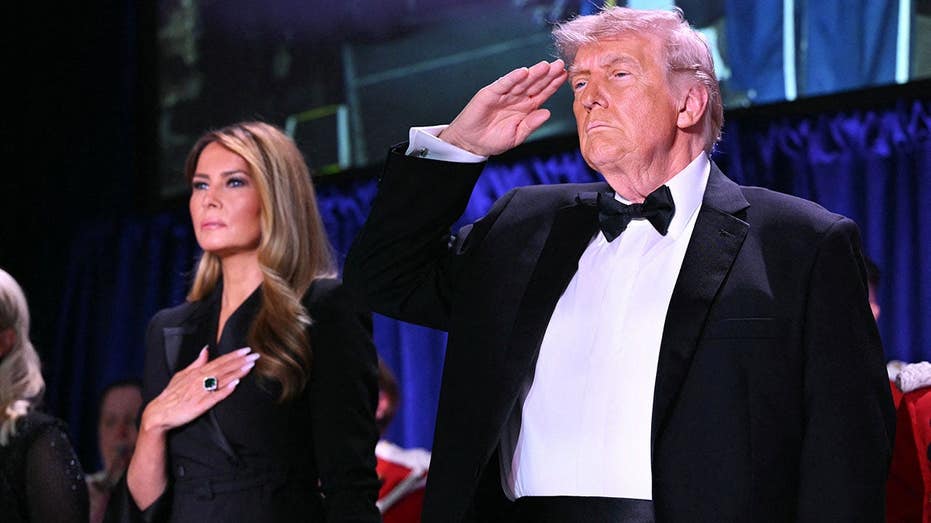
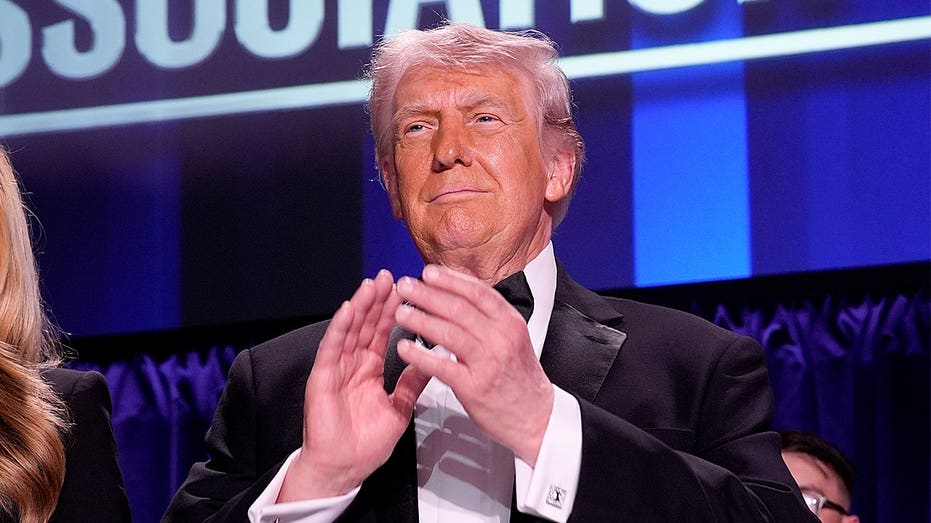
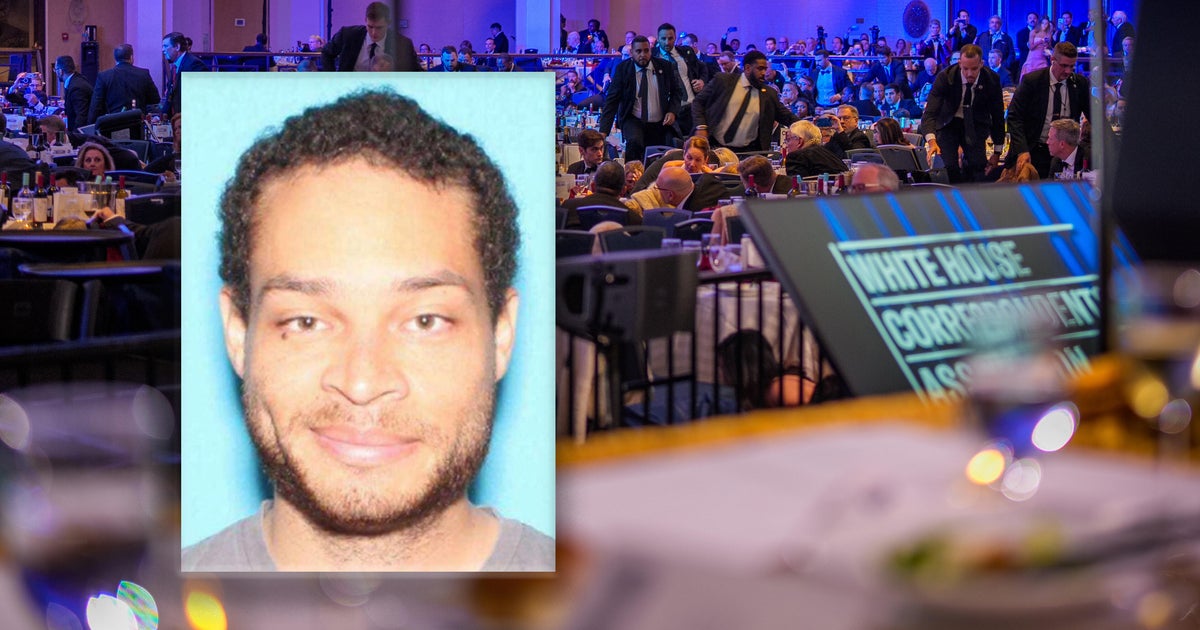
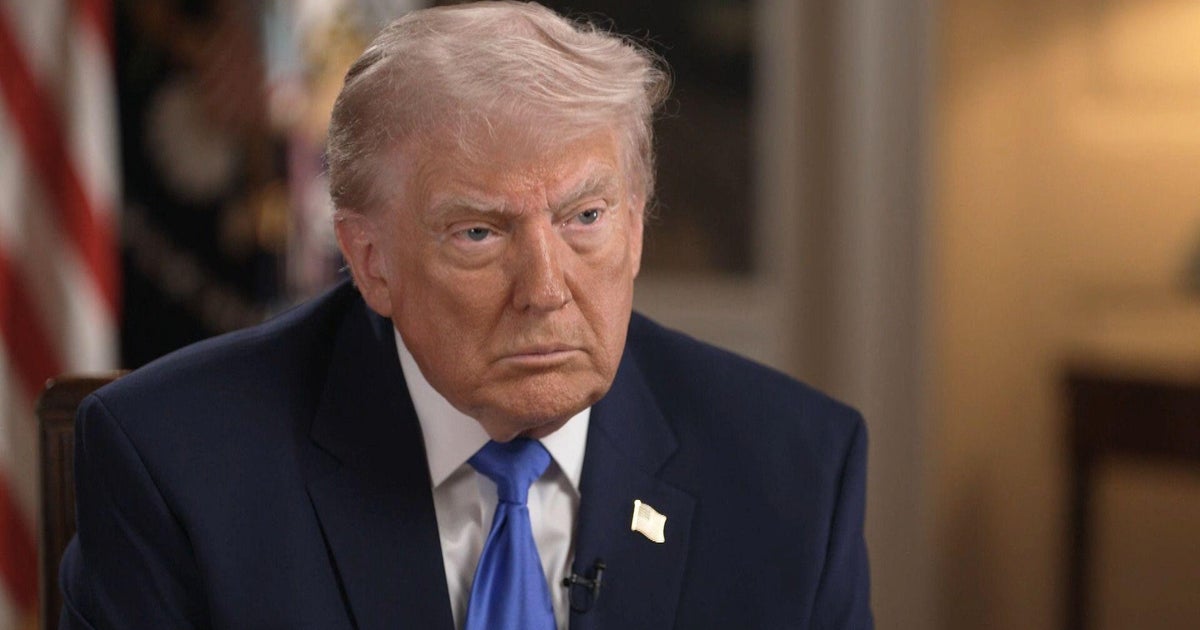
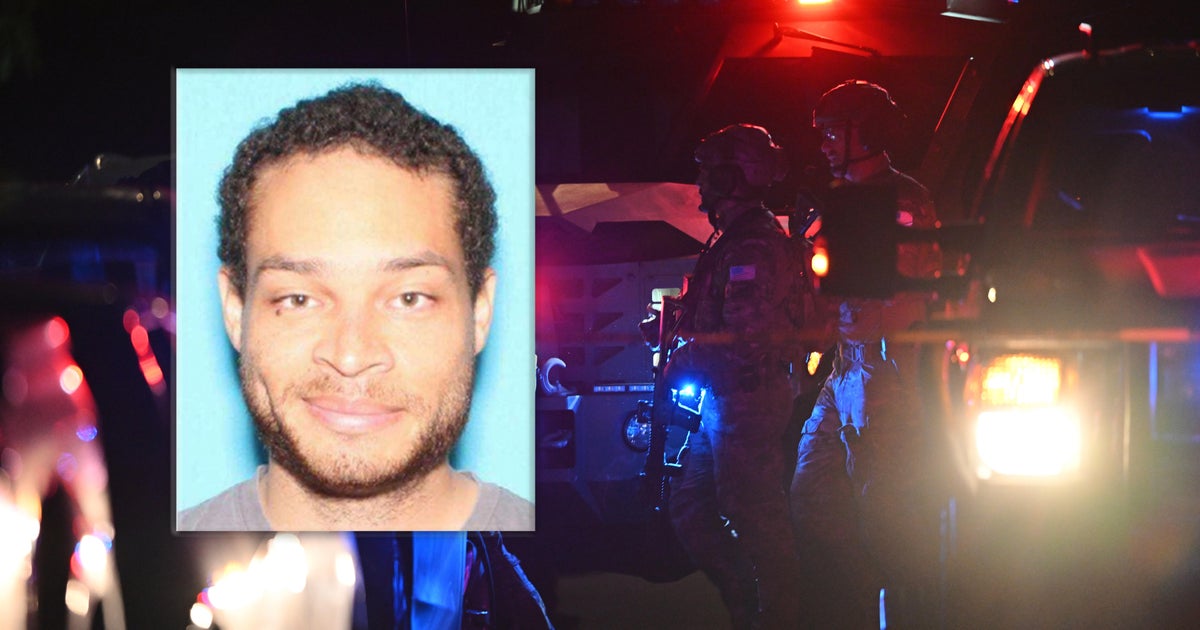
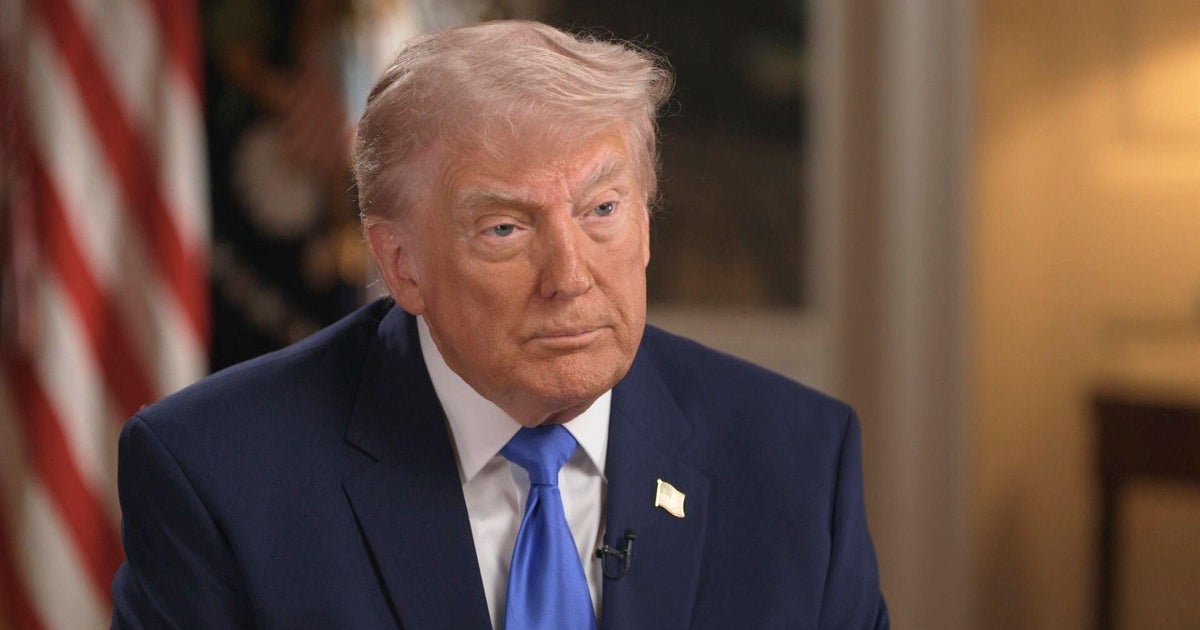
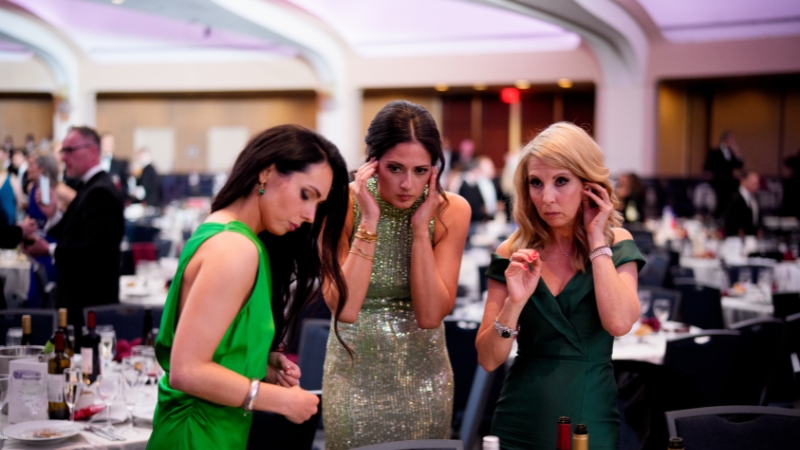
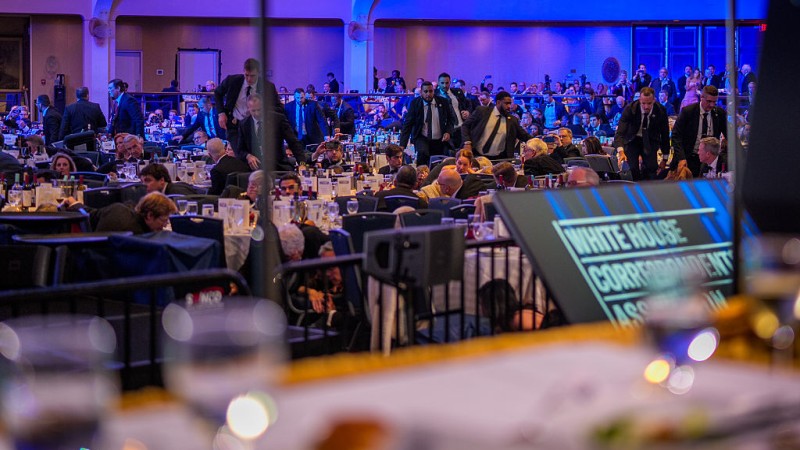
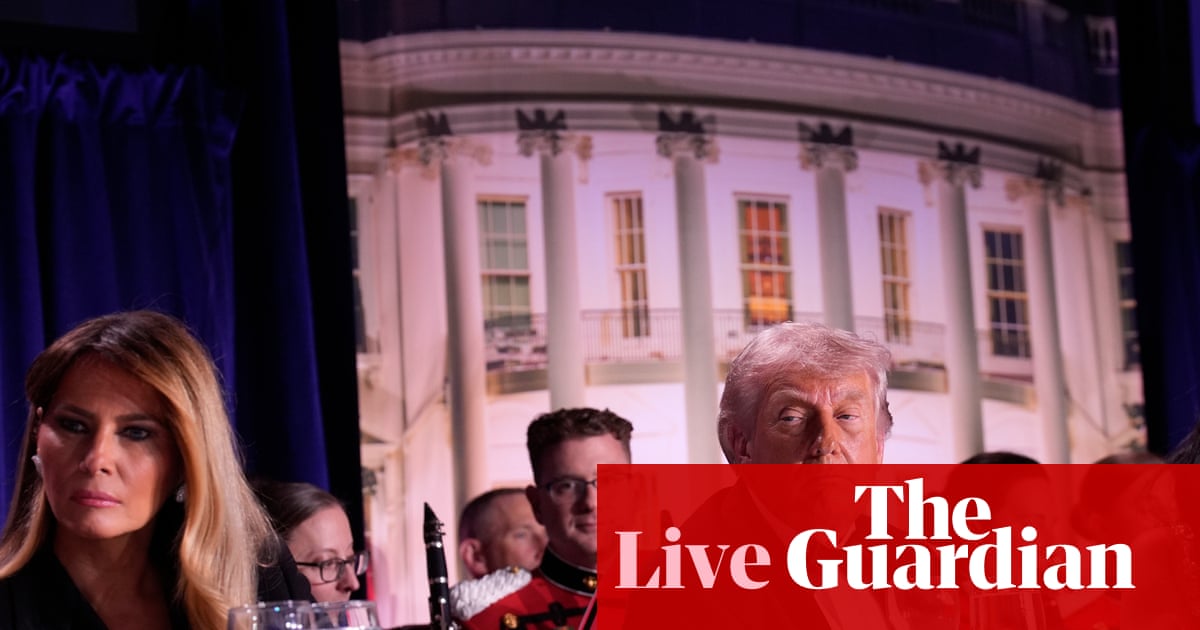
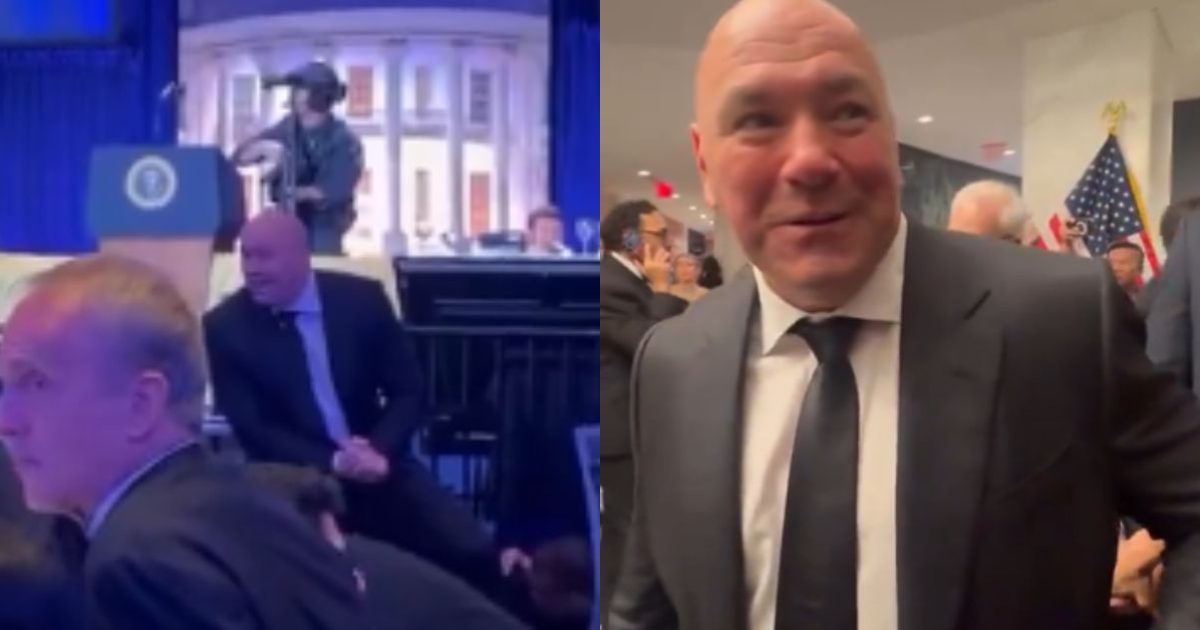
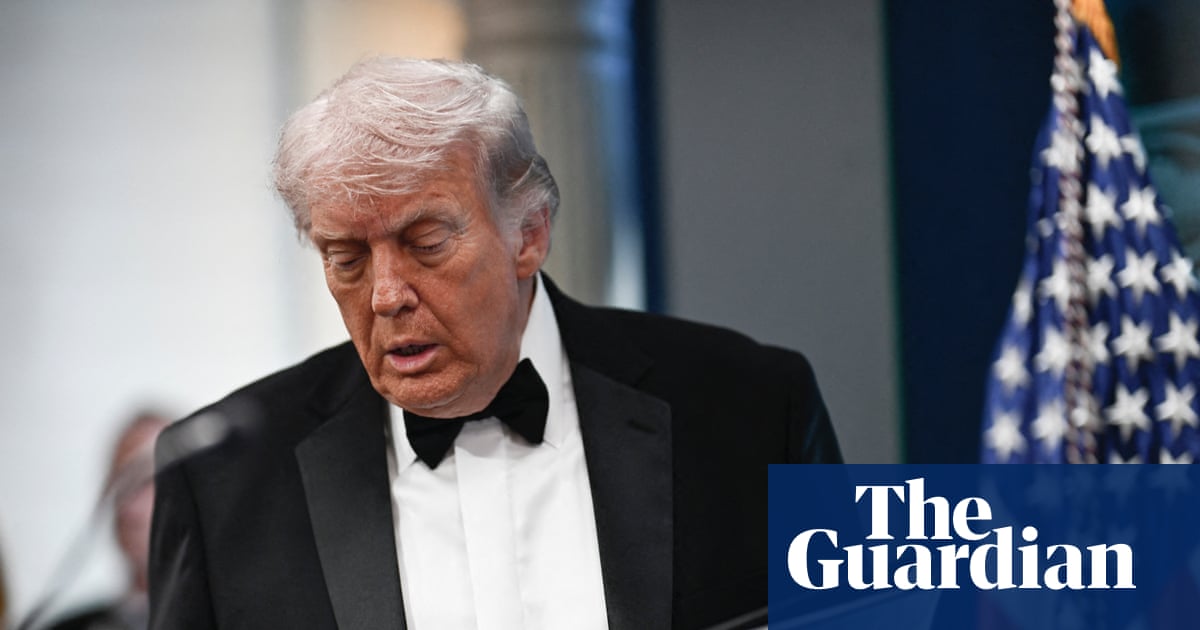
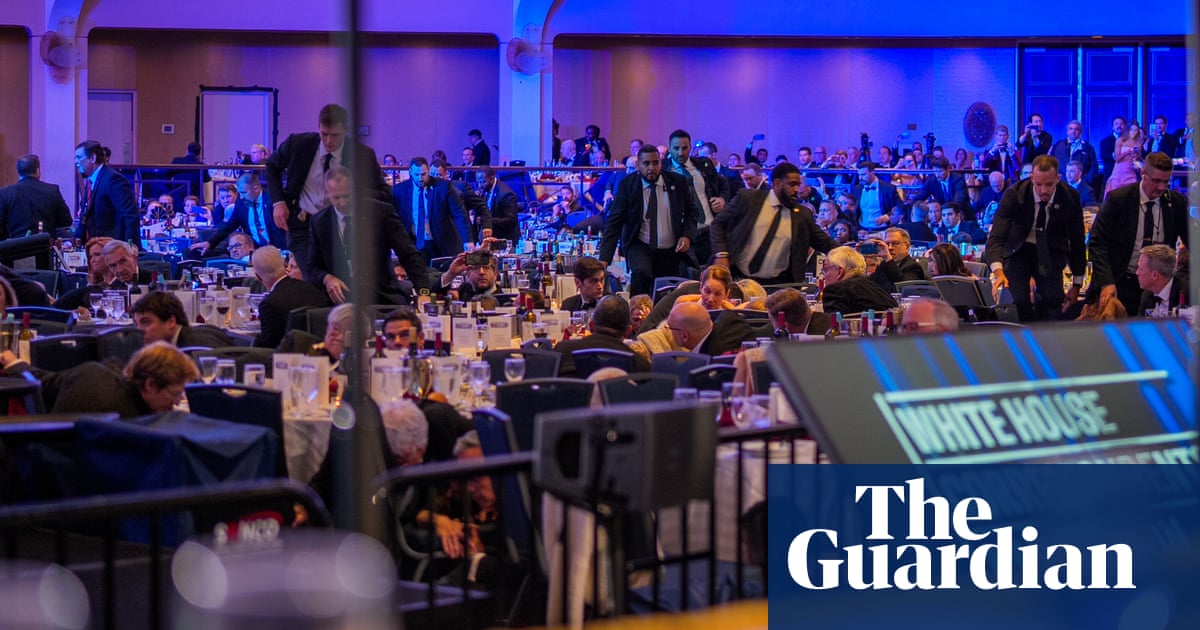
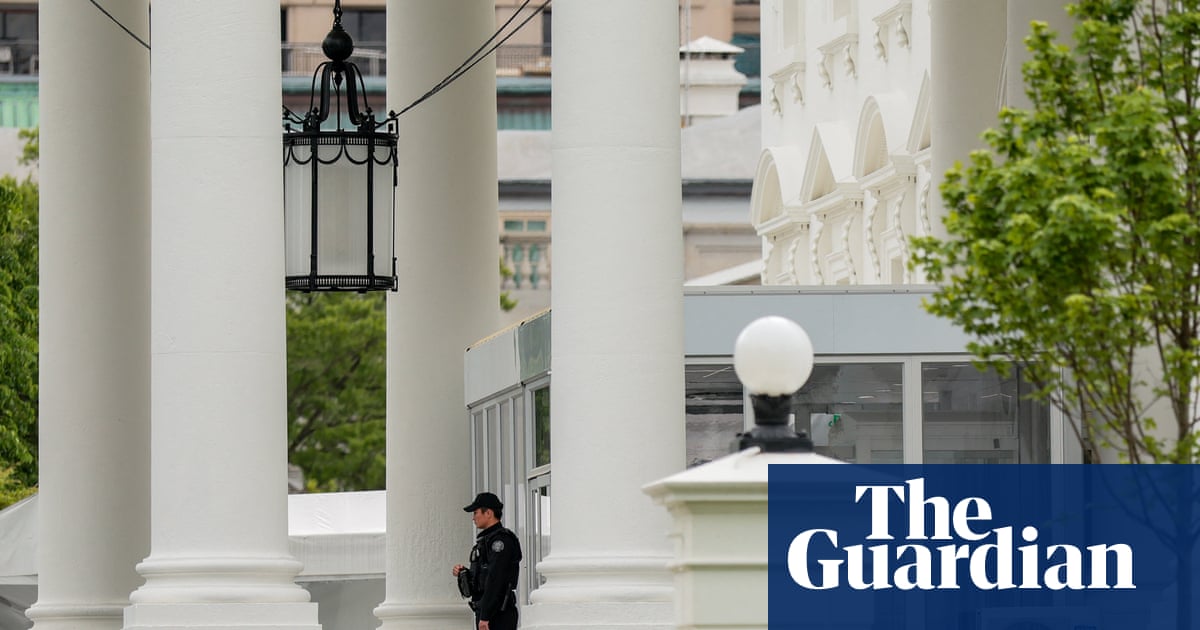
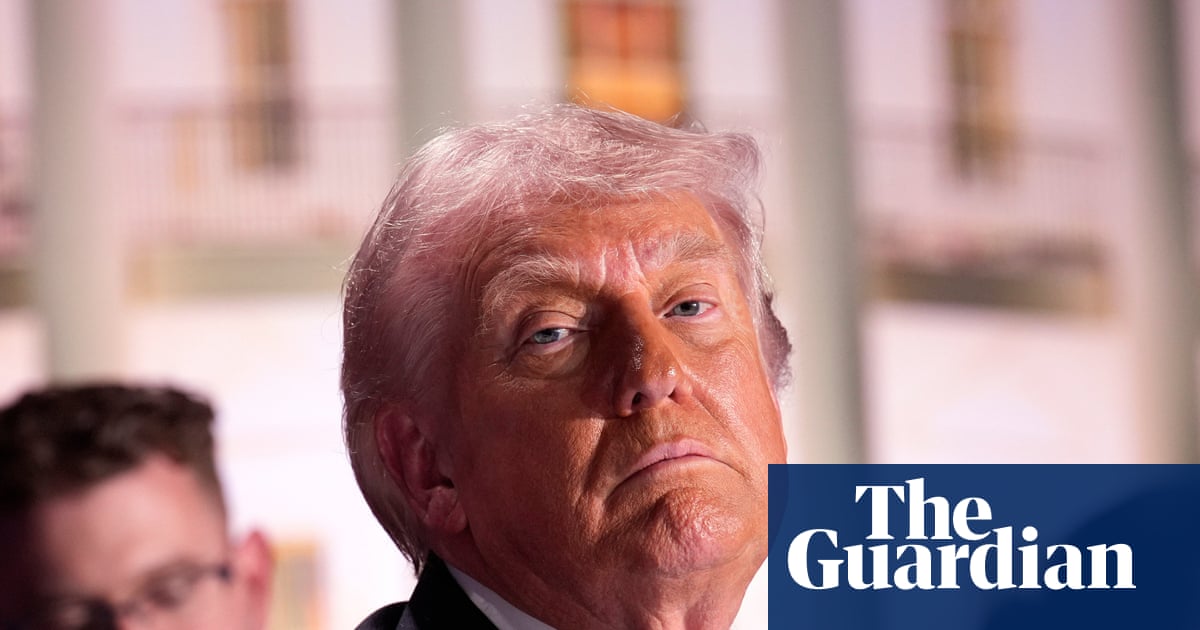
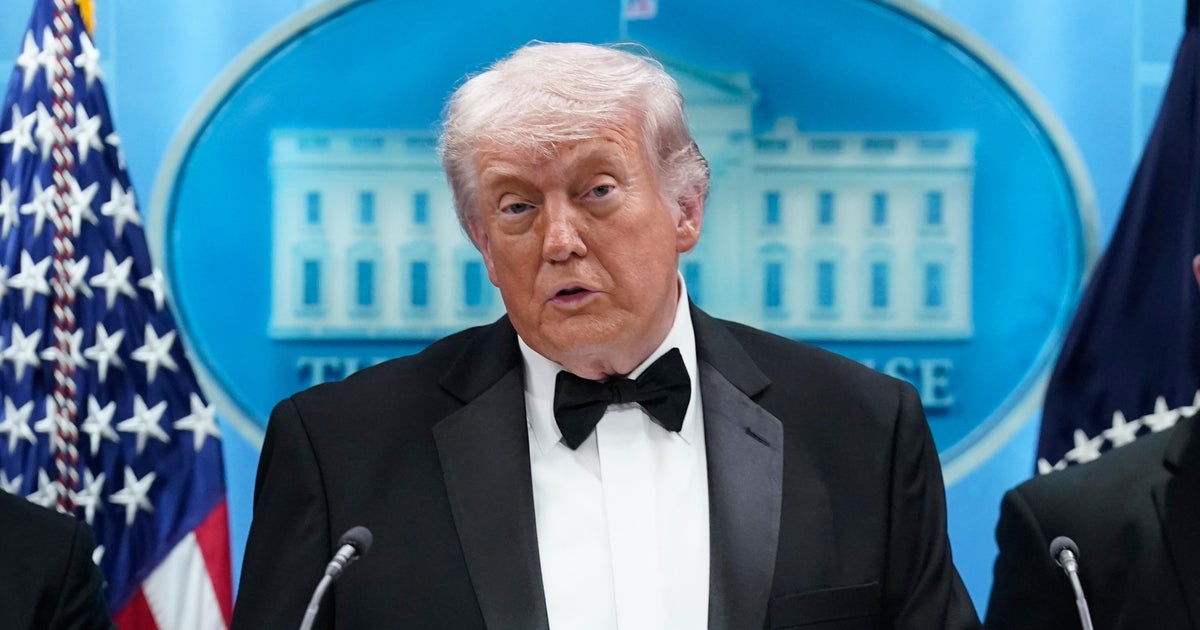
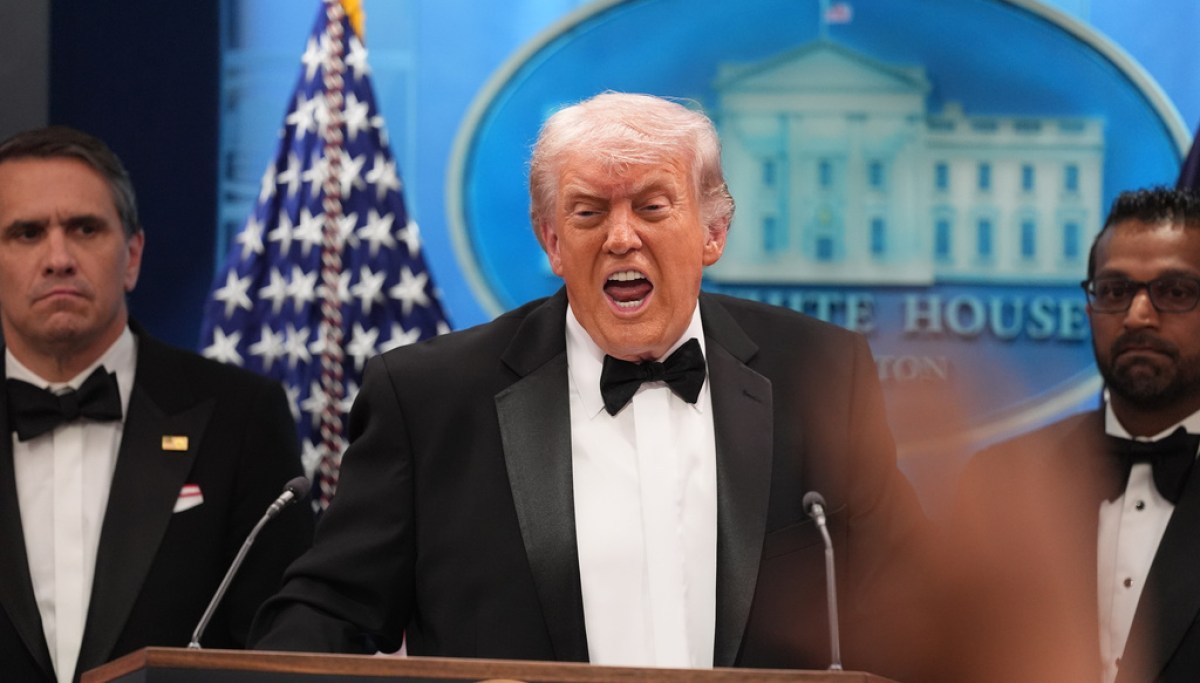
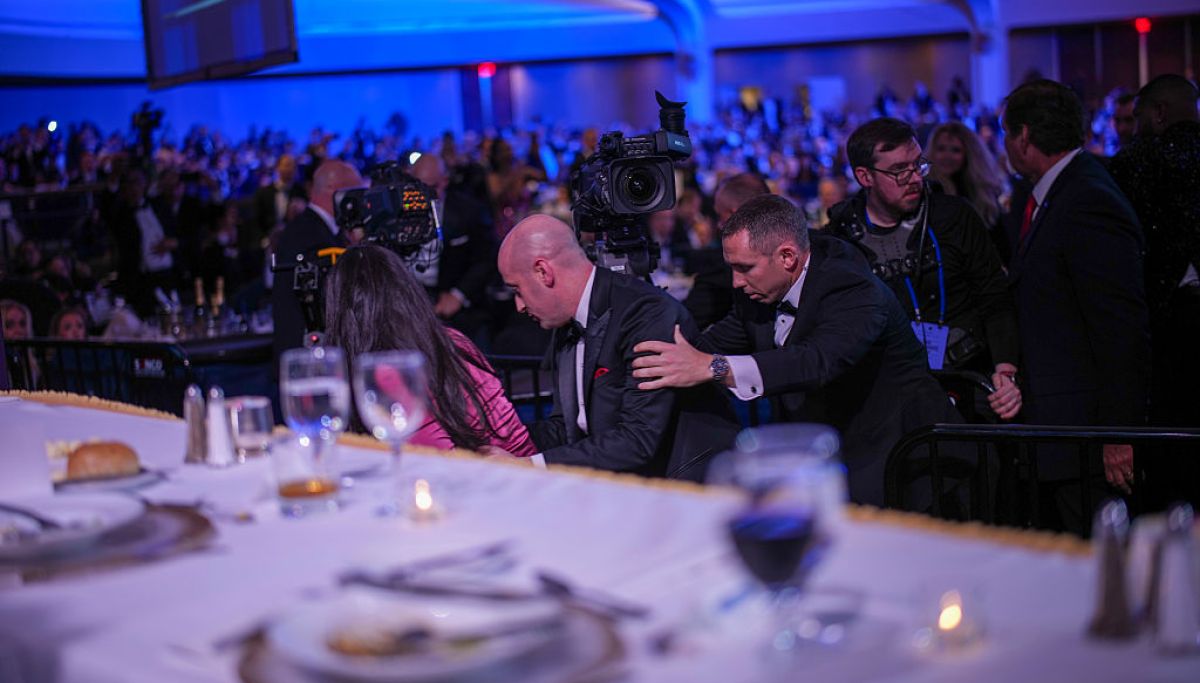
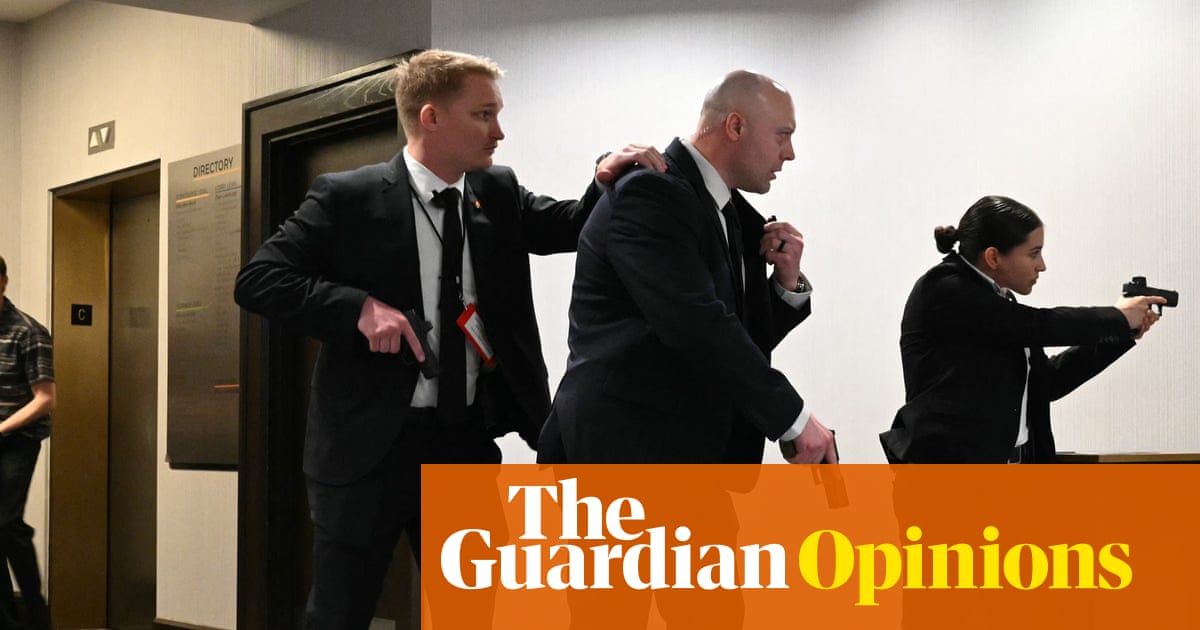
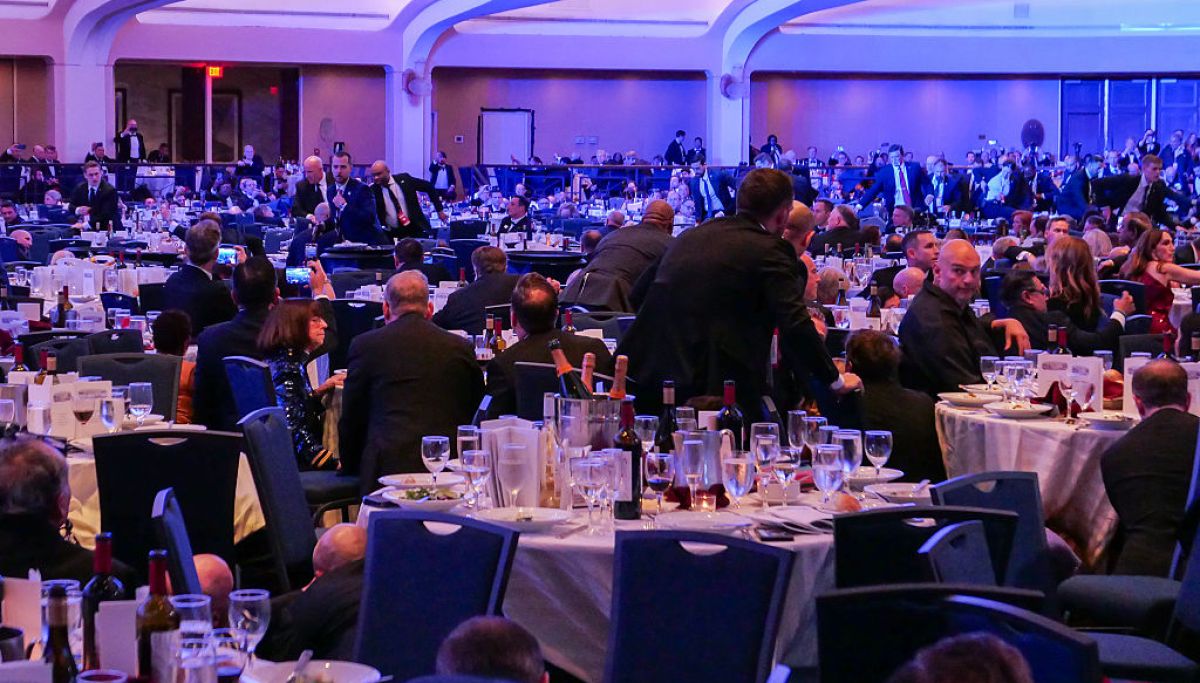
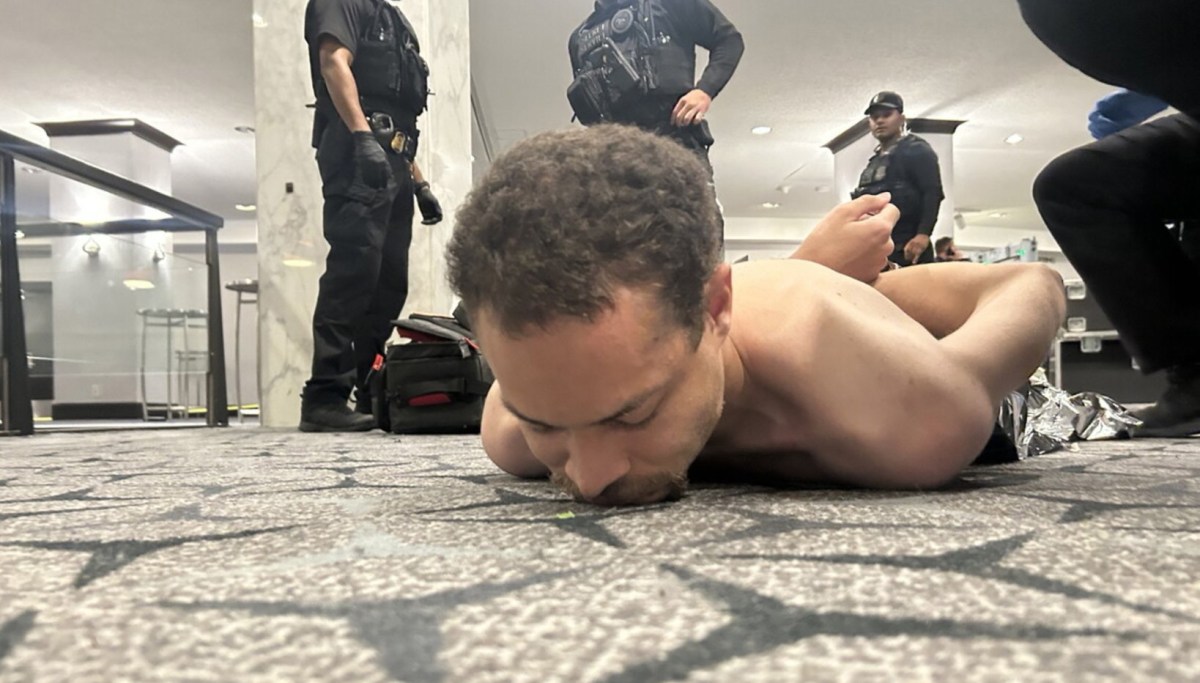
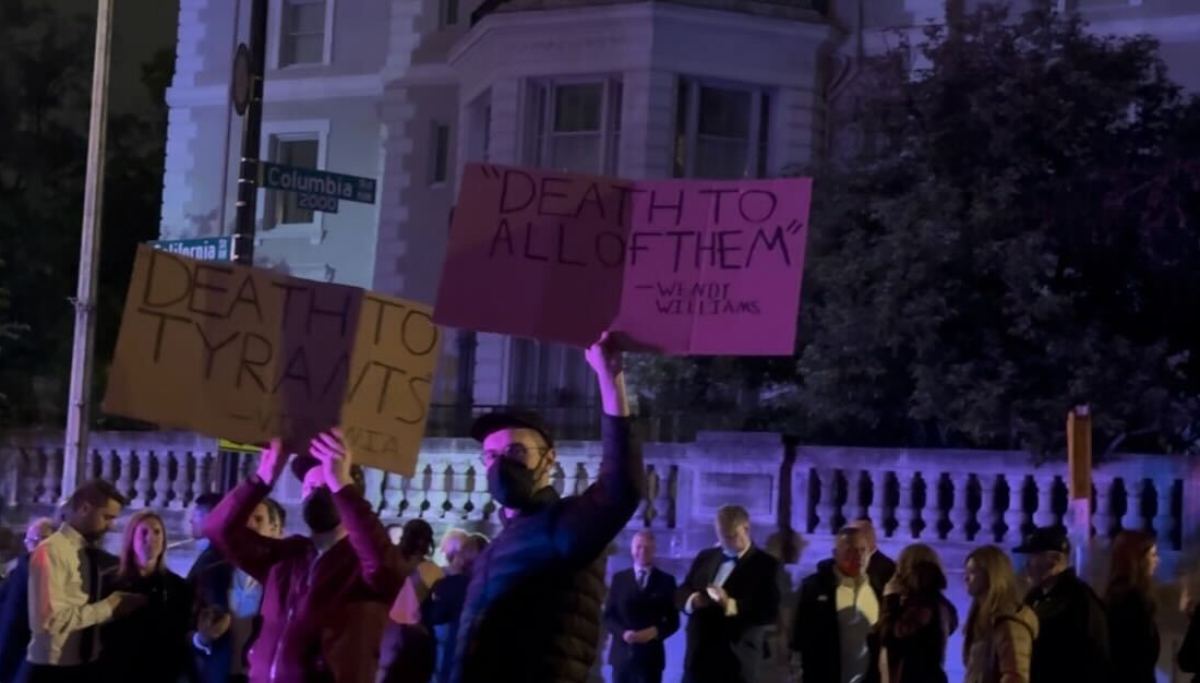
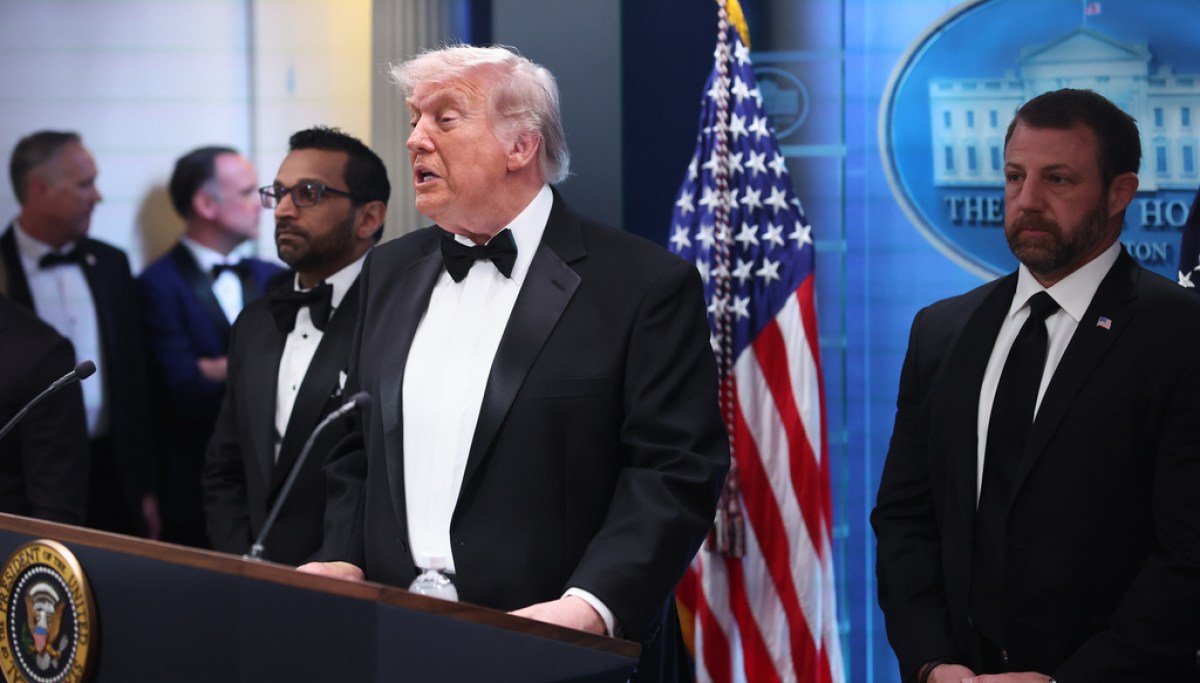
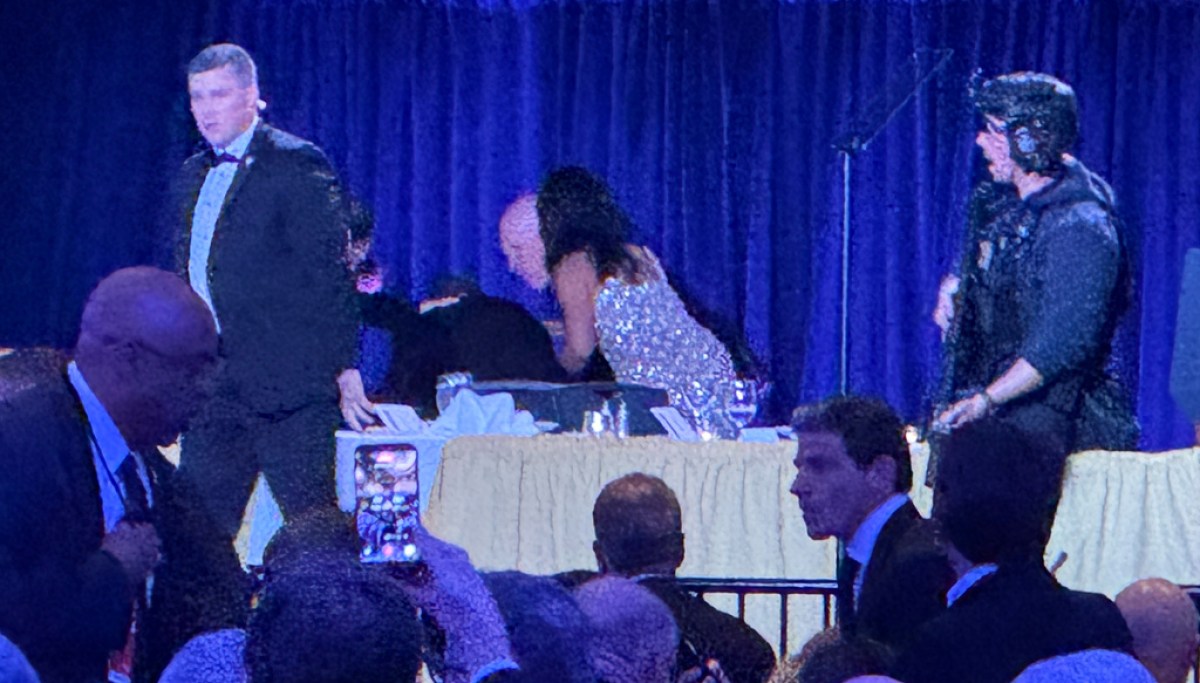
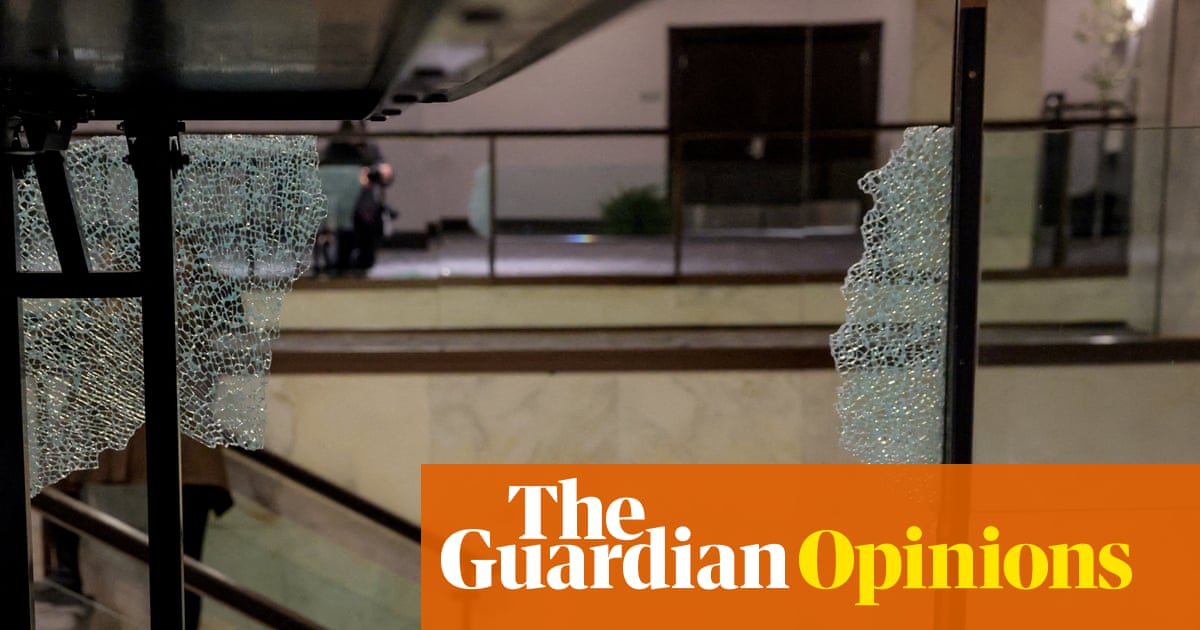
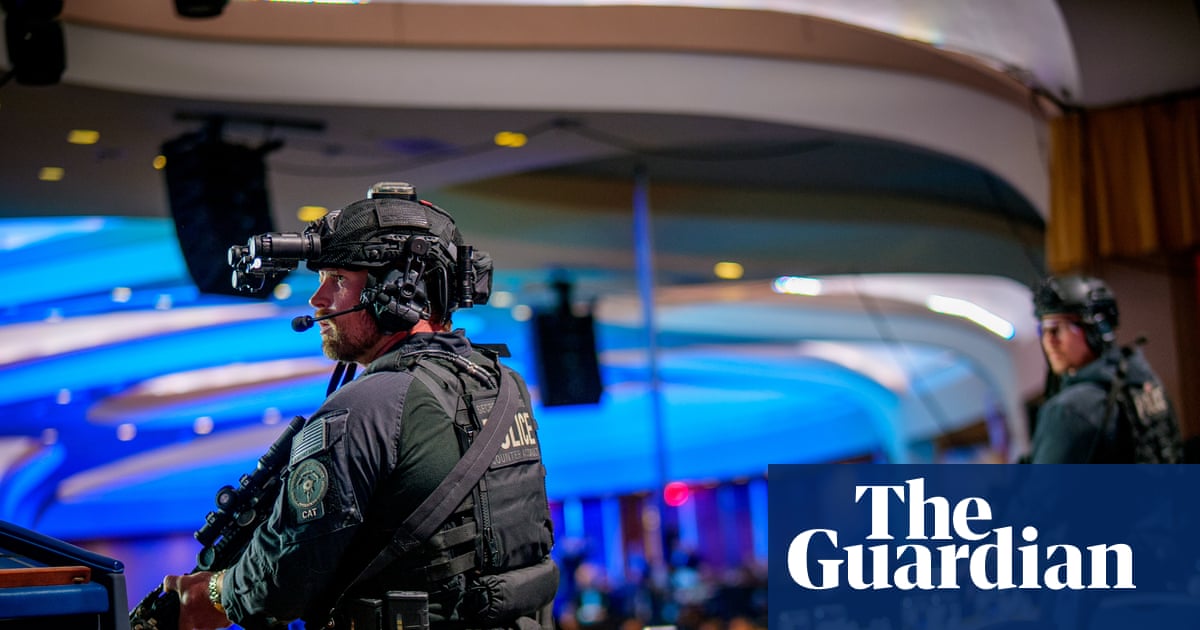
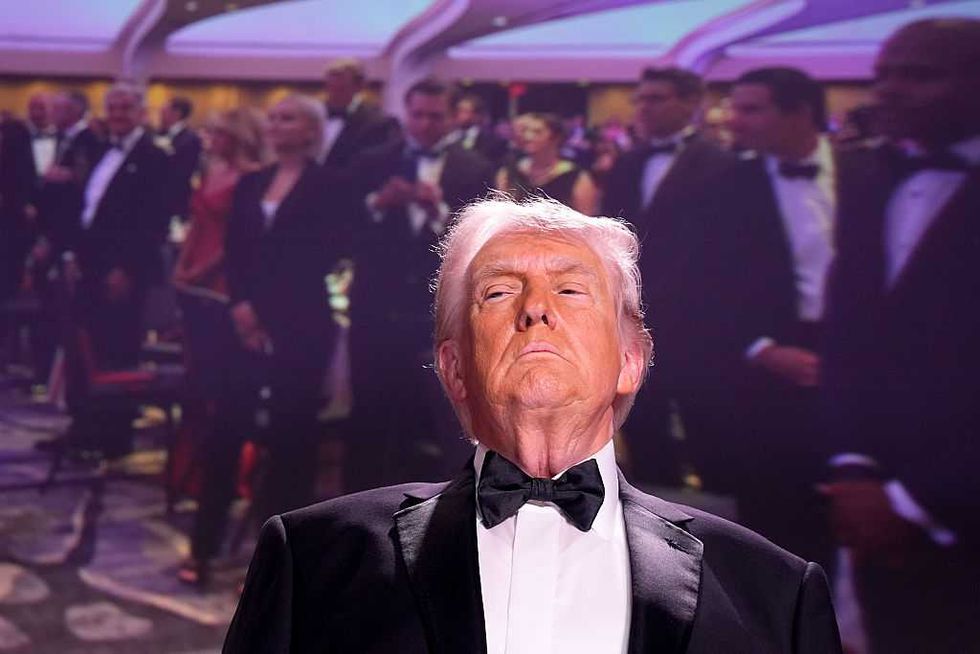
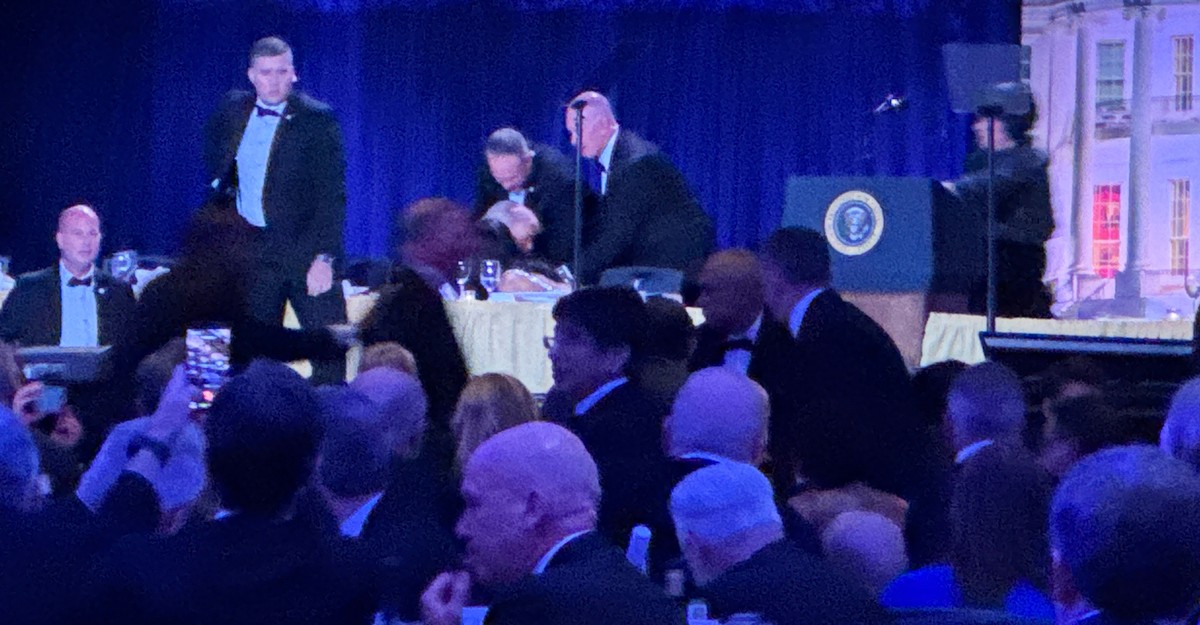
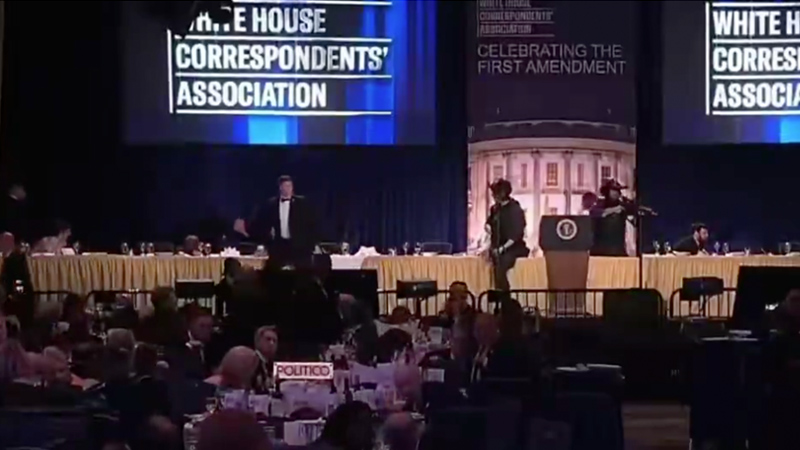
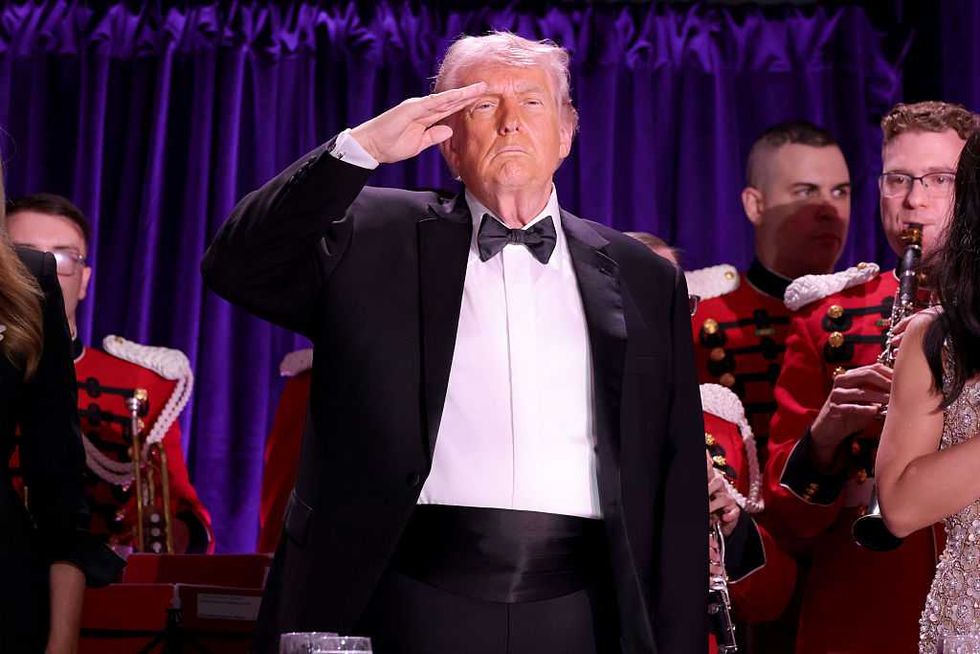
Shots were fired at the White House Correspondents’ Dinner at the Washington Hilton on the night of April 26, 2026, leading Secret Service agents to rush President Donald Trump, the first lady, and senior officials from the ballroom while guests dived under tables or were ordered to the floor. Both liberal and conservative outlets identify the suspect as Cole Tomas (Thomas) Allen, a 31‑year‑old teacher/engineer from California, who had checked into the hotel the day before, assembled or carried multiple weapons including at least a shotgun, handgun, and knives, then sprinted or forced his way through a Secret Service checkpoint near the ballroom, exchanging fire that struck a Secret Service agent in the chest but was stopped by a bulletproof vest. Coverage agrees Allen was quickly subdued and taken into custody, that he appears to have acted alone, that no attendees were killed or seriously injured, and that he is facing or expected to face serious federal charges such as assault on a federal officer and possibly attempted assassination or using a firearm during a crime of violence. Reporters and attendees in both camps describe a ballroom that went from a routine gala to chaos in seconds: multiple loud bangs, agents drawing guns and rushing the stage, people sheltering under tables, phone calls cutting off amid poor cell service, and the event ultimately being canceled and rescheduled.
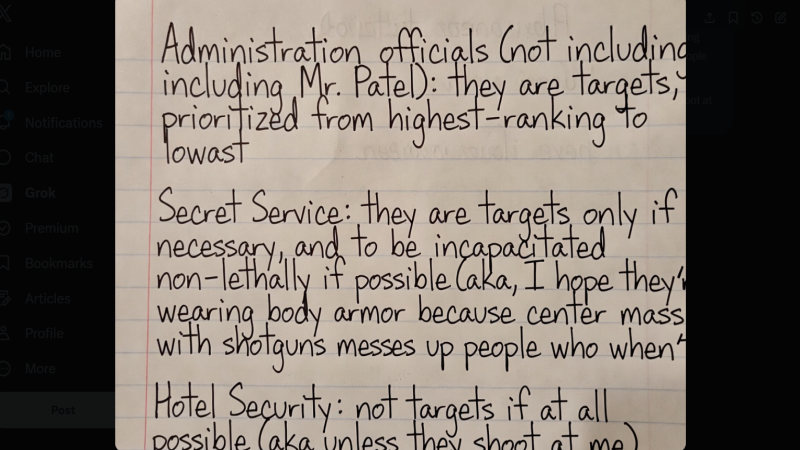
Liberals and conservatives also converge on a basic picture of motive and background: Allen left behind a manifesto and social‑media trail showing intense hostility to Trump and his administration, including labeling Trump a traitor and worse, and criticizing Christians and Trump‑aligned officials, and authorities—including Acting Attorney General Todd Blanche and FBI officials—have publicly said preliminary evidence suggests he was targeting Trump and other administration officials. Both sides note his high educational attainment, work as an educator or tutor, and lack of serious criminal history, and describe investigators poring over emails, travel records (from California to Washington, possibly via major hubs), and online accounts to reconstruct his radicalization and planning. They further agree the incident has reignited debates on political violence, security at high‑profile events, and structural safeguards—from questions about how weapons got into an unsecured or lightly secured room near the ballroom to renewed discussion of Trump’s proposed secure White House ballroom—as well as prompting rare moments of bipartisan unity, condemnation from world leaders, and public statements by cultural figures denouncing political violence.
Areas of disagreement
Framing of motive and blame. Liberal‑aligned outlets foreground the shooting as one more data point in a broader pattern of U.S. political violence fueled by polarization, toxic rhetoric on all sides, and pervasive gun access, mentioning Allen’s anti‑Trump views but embedding them in this systemic frame. Conservative outlets, by contrast, highlight his anti‑Trump, anti‑Christian posts and donor record to Democratic causes, repeatedly presenting the attack as a direct outgrowth of "radicalized" or demonizing rhetoric from the left, and sometimes invoking concepts like "Trump Derangement Syndrome" to personalize responsibility. While liberals warn against over‑weaponizing one assailant’s ideology, conservatives repeatedly tie it back to specific media figures, comedians, and Democratic leaders whose words are portrayed as incitement.
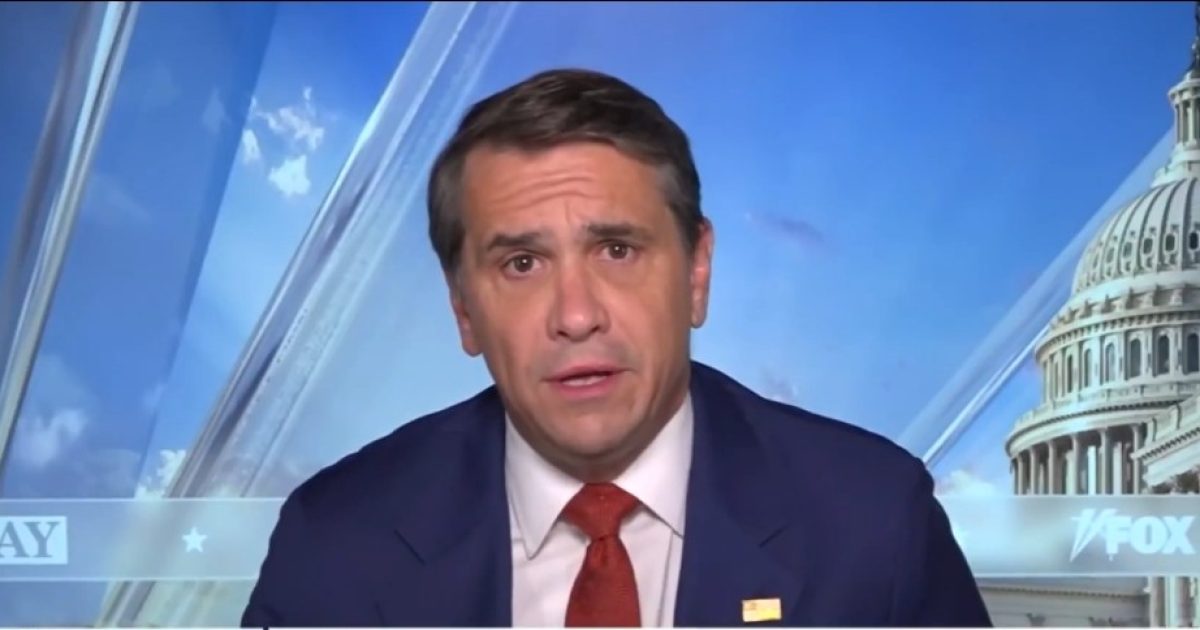
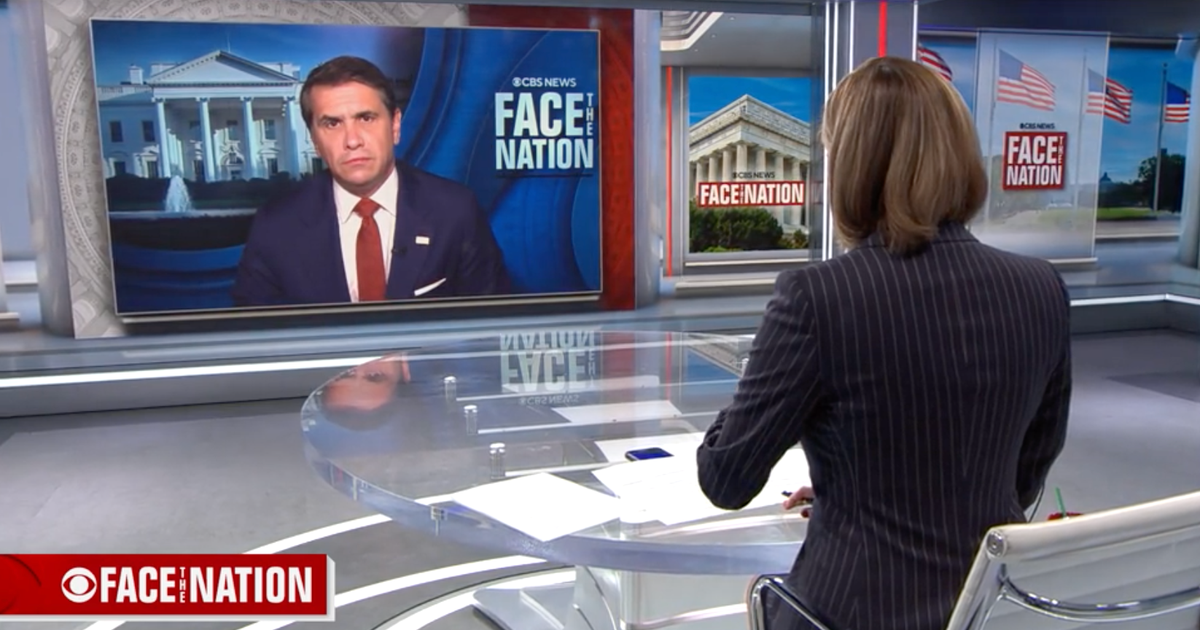
Gun control versus security and law enforcement. Liberal coverage tends to connect the incident to national gun‑safety debates, referencing calls for universal background checks, the ubiquity of firearms, and the ease with which a single armed individual can threaten democratic institutions—even as some officials insist the operational response was a success. Conservative outlets mostly resist turning the episode into a gun‑control story, with figures like Blanche pushing back when anchors try to steer the conversation toward stricter firearm laws, and instead emphasize rapid armed response, better venue hardening, and bolstering DHS and Secret Service resources. Where liberals focus on regulating weapons and reducing the likelihood of armed attacks overall, conservatives focus on fixing procedural lapses and empowering security forces while treating firearm ownership itself as a separate issue.
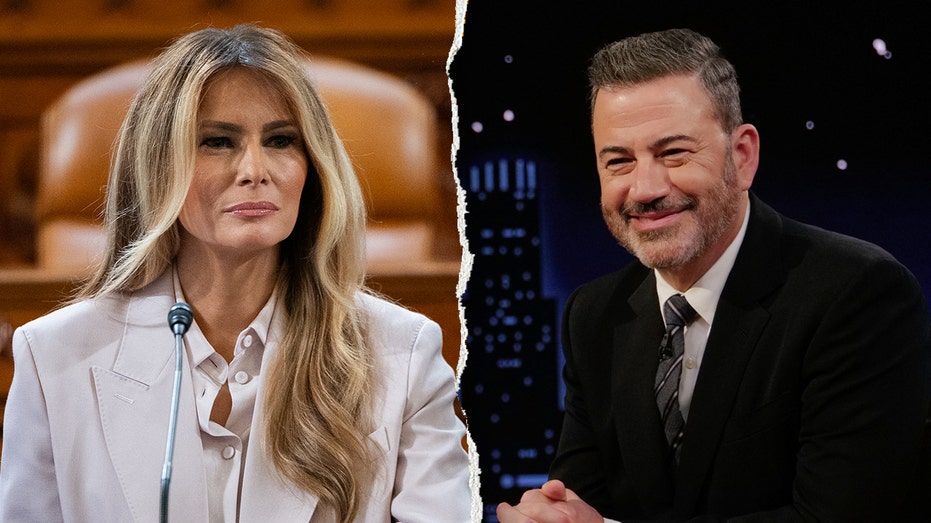
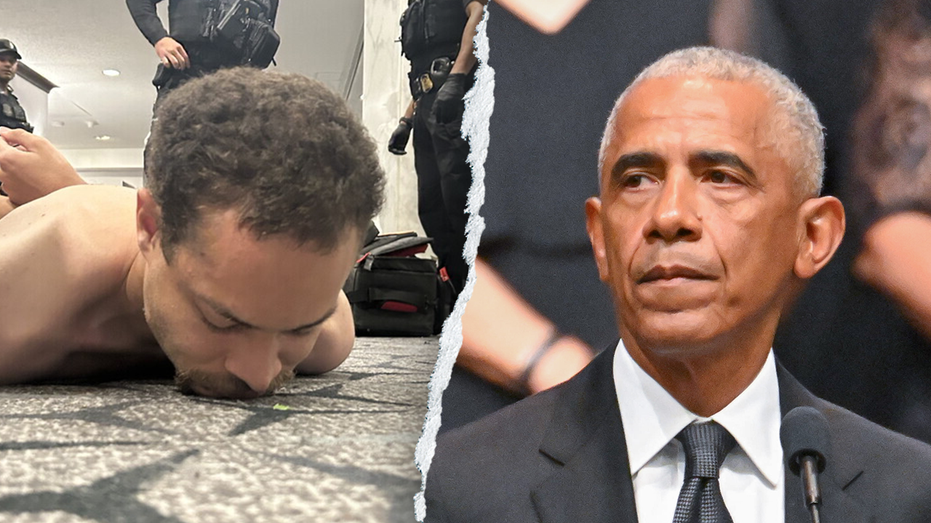
Narratives about institutions, media, and culture. Liberal outlets often use the shooting to interrogate Trump’s long‑running attacks on the press and the general coarsening of political discourse, portraying the dinner’s descent into chaos as emblematic of an era defined by drama, hostility toward journalists, and normalized threats against public life. Conservative coverage more frequently inverts that frame, pointing at late‑night comedy, activist groups, and some mainstream outlets as cultural engines that have vilified Trump and his supporters, sometimes amplifying episodes like Jimmy Kimmel’s "expectant widow" joke and reactions from Obama or network anchors as emblematic of a left‑leaning culture that treats the president as beyond the bounds of empathy. Thus, liberals tend to see the press and civic institutions as embattled victims of a toxic environment, while conservatives see them as at least partially complicit in creating the mindset that led to the attack.
Security failures and Trump’s ballroom push. Liberal‑leaning coverage acknowledges security questions but often stresses the competence of the Secret Service in stopping Allen at the perimeter and preventing mass casualties, then pivots to structural issues like hotel venue risks, online radicalization, and broader gun culture rather than centering Trump’s policy prescriptions. Conservative outlets dwell more on alleged lapses—unguarded or inconsistently screened areas where Allen could assemble a long gun, attendee complaints of lax screening—and use those accounts to buttress Trump’s argument for a secure White House ballroom, sometimes blaming legal challenges from preservation groups and Democrats for slowing a project now cast as self‑evidently necessary. Liberals typically treat the ballroom push as one policy idea among many, or as politically self‑interested, while conservatives frame it as common‑sense protection vindicated by the incident.
In summary, liberal coverage tends to situate the shooting within a systemic story about political polarization, gun culture, and threats to democratic institutions, while conservative coverage tends to spotlight the suspect’s anti‑Trump ideology, alleged left‑wing incitement, and the need for tougher security and support for Trump’s preferred protections.