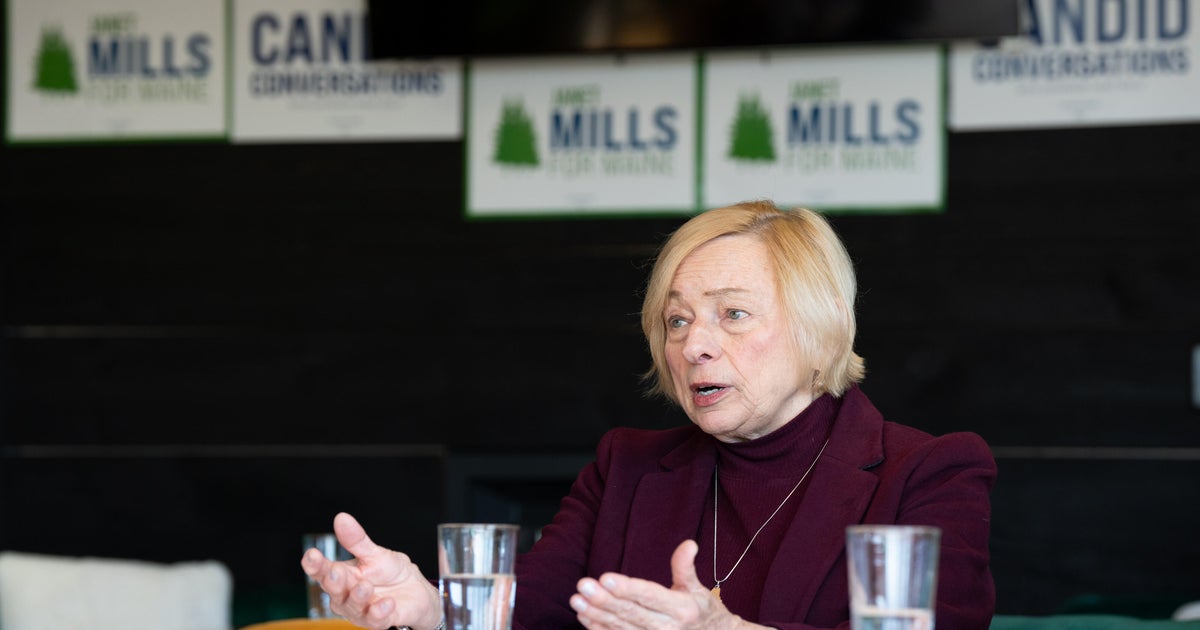
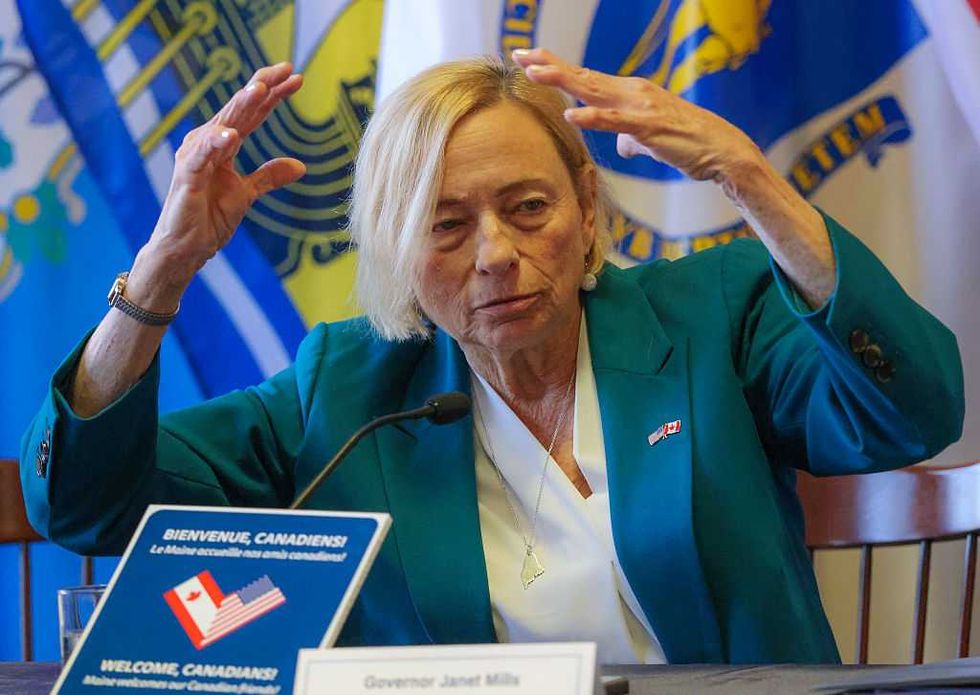
Maine’s high-stakes Senate race has been upended by Gov. Janet Mills’s decision to suspend her campaign, a move both parties agree is pivotal but sharply disagree on what—and whom—it empowers.
Mills framed her exit as a matter of money, saying she “very simply do[es] not have the one thing that political campaigns require today: the financial resources.” Liberal coverage casts the decision as a strategic reshuffle in a top-tier battleground where Republican Sen. Susan Collins is considered “more vulnerable” than ever and where Democrats quickly pledged to “work with the presumptive Democratic nominee Graham Platner to defeat her.”
Conservative outlets emphasize the intra-party turmoil and ideological shift. The Washington Times highlights that Mills’s withdrawal came “just weeks before the Democratic primary in a race that reflected an internal party debate” over how to win one of the cycle’s most competitive seats. Another article stresses that suspending her bid “clear[ed] the way for Graham Platner to win the Democratic nomination,” framing Platner as the product of a progressive insurgency rather than broad consensus.
On the right, TheBlaze goes further, branding Platner an “extremist” and describing Mills as a “once-favored Democrat” whose departure “open[s] door” to a nominee out of step with the state. That narrative contrasts with mainstream liberal reporting, which focuses less on ideology and more on mechanics: Mills’s age, Platner’s fundraising strength—$4 million in early 2026—and a poll showing him leading Mills by 27 points are presented as evidence that the party base had already moved on.
Similarities and differences
Across the spectrum, outlets agree on the basic facts: Mills is out, Platner is now the presumptive Democratic nominee, and Maine is central to control of the Senate. The divide lies in interpretation. Liberal coverage portrays a disciplined party consolidating behind a well-funded challenger; conservative sources see a weakened establishment surrendering to a farther-left candidate—potentially making Collins’s path to reelection easier even as Democrats insist she has “never been more vulnerable.”