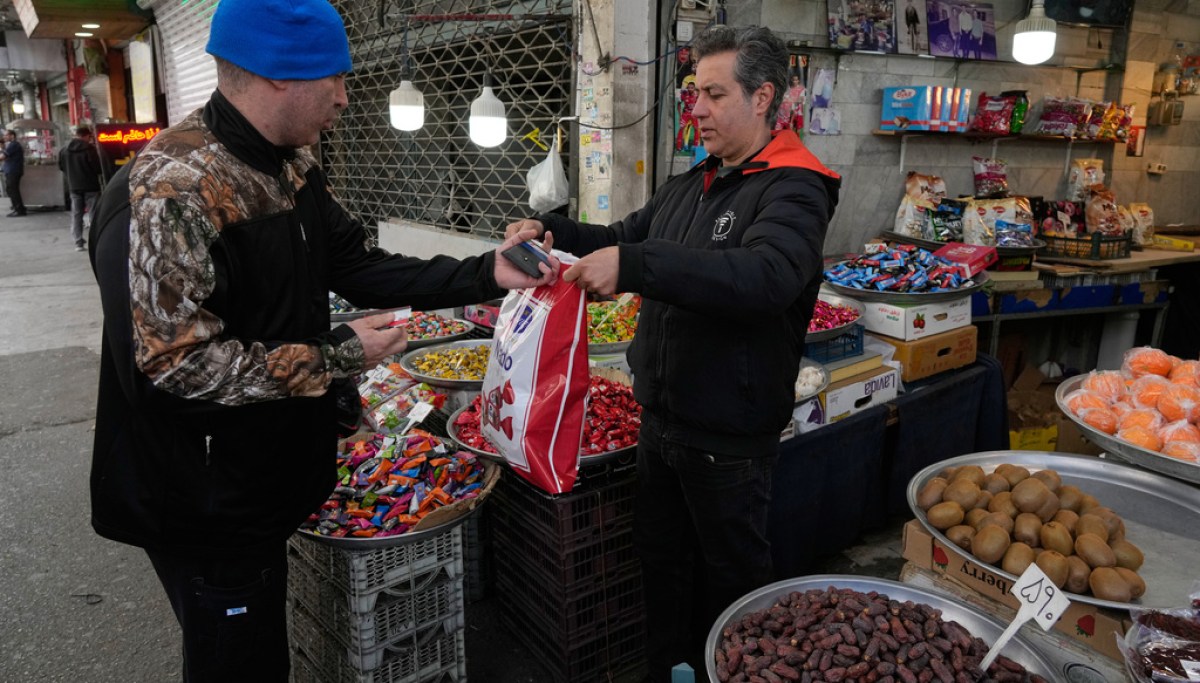
Iran’s rial is being reported across the spectrum as having fallen to a record low against the U.S. dollar after a brief period of relative stability, with some accounts describing a drop of roughly 15% in just two days. Both liberal and conservative outlets agree that the depreciation is driving up the cost of basic imports and locally produced goods, exacerbating already severe inflation, squeezing household purchasing power, and contributing to job losses and broader economic strain. Coverage also converges on the timing and setting: the latest slide is unfolding this week against the backdrop of a fragile or shaky ceasefire involving Iran, the United States, and Israel, with observers warning that the currency’s weakness reflects the broader vulnerability of Iran’s economy.
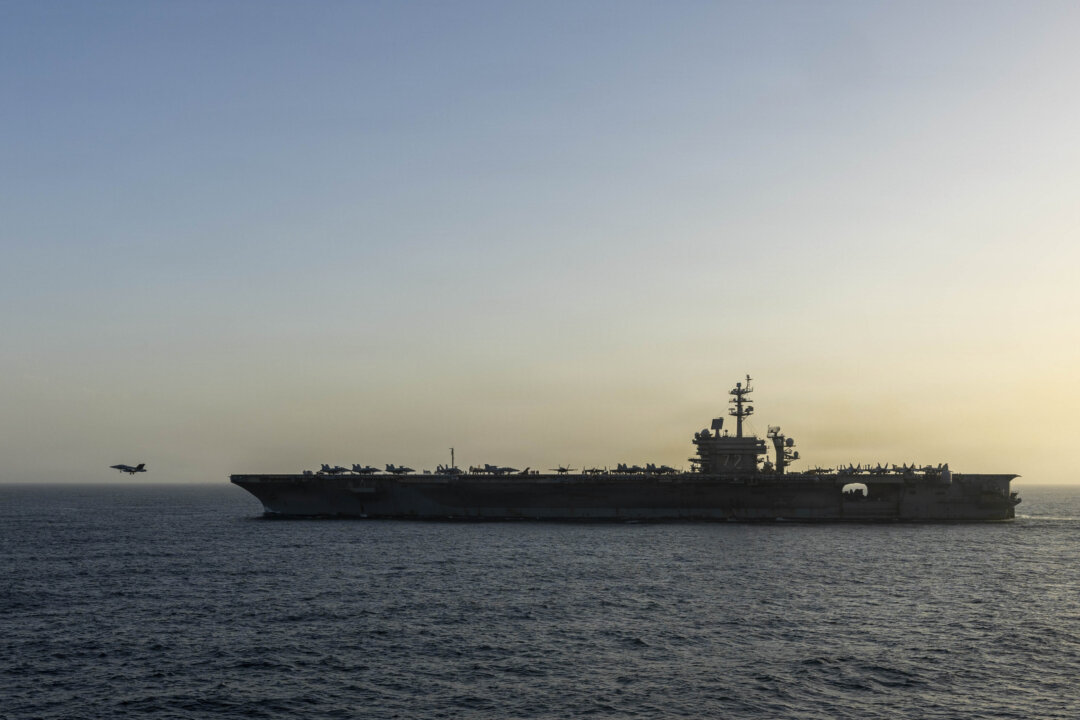
Liberal and conservative sources alike situate the currency crisis within years of international sanctions, isolation from global financial systems, and longstanding structural weaknesses in Iran’s economy. They note the role of U.S. pressure—whether labeled sanctions, maritime interdiction, or a naval blockade—in constraining Iran’s ability to earn and access foreign currency from exports, particularly energy shipments. Both sides reference domestic mismanagement, corruption, and the heavy role of state-linked institutions in Iran’s economy as background factors that have eroded resilience, and they highlight that previous rounds of devaluation and inflation have triggered public anger and protests, making the current plunge especially worrisome for social stability and regional security.
Areas of disagreement
Responsibility and blame. Liberal-aligned coverage tends to frame the rial’s collapse as the combined result of long-running U.S.-led sanctions, structural dysfunction in Iran’s state-dominated economy, and policy failures by Tehran’s leadership. Conservative outlets, by contrast, place primary responsibility on Iran’s regime, describing corruption, ideological adventurism, and resistance to reforms as the main drivers of the crisis, while presenting the U.S. blockade and sanctions as justified leverage rather than the core problem. Where liberals emphasize that collective punishment of civilians through economic pressure is morally and strategically questionable, conservatives depict the hardship as a foreseeable consequence of the regime’s choices on nuclear and regional policies.
Characterization of U.S. policy and the blockade. Liberal sources typically cast the U.S. naval blockade and broader sanctions framework as an escalation that restricts humanitarian trade, deepens inflation, and risks destabilizing the region by pushing Iran into a corner. Conservative coverage instead portrays the blockade as a targeted tool to cut off illicit revenue streams and constrain Iran’s ability to finance proxy groups, arguing that any economic fallout could hasten desired political change in Tehran. Liberals more often warn that this approach could backfire by entrenching hardliners and encouraging further nuclear advances, whereas conservatives suggest sustained pressure is necessary to force concessions or regime moderation.
Portrayal of domestic unrest and public sentiment. Liberal reporting generally underscores the human cost of the currency crash, highlighting ordinary Iranians facing unaffordable living costs and suggesting that renewed protests would be a reaction to both authoritarian rule and externally imposed deprivation. Conservative outlets, while acknowledging rising discontent, tend to emphasize potential unrest as evidence of the regime’s eroding legitimacy and as a sign that pressure is working, with less focus on how U.S. actions may be contributing to the suffering. Liberals are more likely to spotlight voices calling for sanctions relief and diplomatic off-ramps, whereas conservatives focus on dissident narratives that frame the crisis as a chance for internal change.
Policy prescriptions and diplomatic framing. Liberal-aligned sources often argue that the rial’s collapse should spur renewed diplomacy, calibrated sanctions relief, and mechanisms to protect humanitarian and civilian economic channels, portraying economic stabilization as a prerequisite for de-escalation in the region. Conservative sources more frequently advocate maintaining or tightening sanctions and blockade measures until Iran offers verifiable concessions on its nuclear program and regional activities, portraying any premature relief as rewarding bad behavior. Liberals tend to see engagement and economic breathing space as tools to empower moderates inside Iran, while conservatives see sustained economic pressure as the only leverage that has historically influenced Tehran’s calculations.
In summary, liberal coverage tends to stress the shared responsibility of U.S. policy and Iran’s leadership for the rial’s collapse and urges de-escalatory economic and diplomatic steps, while conservative coverage tends to place blame chiefly on Iran’s regime and endorses continued or intensified pressure as a necessary means of forcing change.