liberal
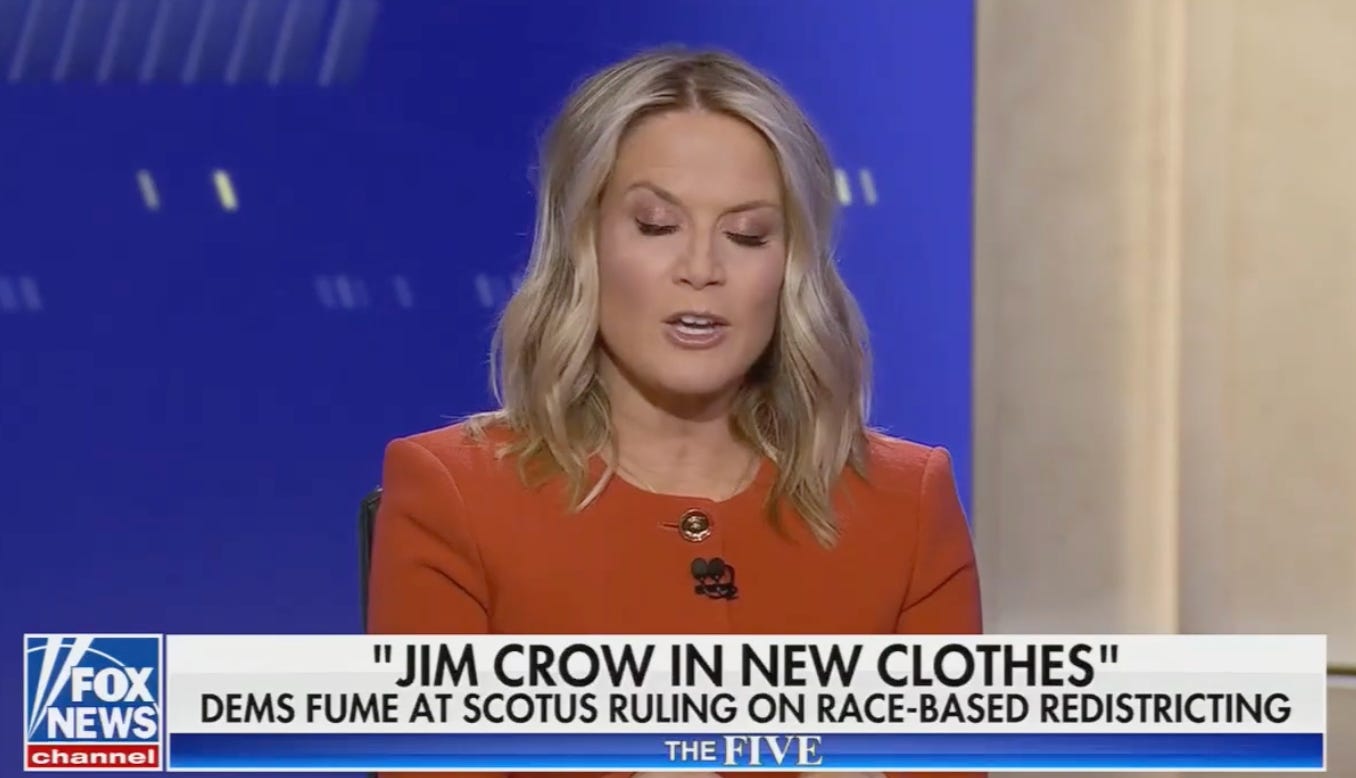
Interchangeable Fox News Blonde Not Racist, She Can't See Even See Black Districts
Bet Martha MacCallum's got a Black friend.
7 days ago
The Supreme Court’s latest decision narrowing the Voting Rights Act has triggered a rapid redistricting scramble in Southern states, while deepening an already toxic argument over whether race‑conscious maps protect democracy or poison it.
Republican leaders in Tennessee and Alabama frame the ruling as a legal reset that justifies moving quickly to redraw maps. Tennessee Gov. Bill Lee called a special session and said lawmakers “owe it to Tennesseans to ensure our congressional districts accurately reflect the will of Tennessee voters,” insisting changes “must be enacted as soon as possible.” Alabama Gov. Kay Ivey likewise convened a special session so the state would be “prepared should the courts act quickly enough” to change the House map before this year’s elections.
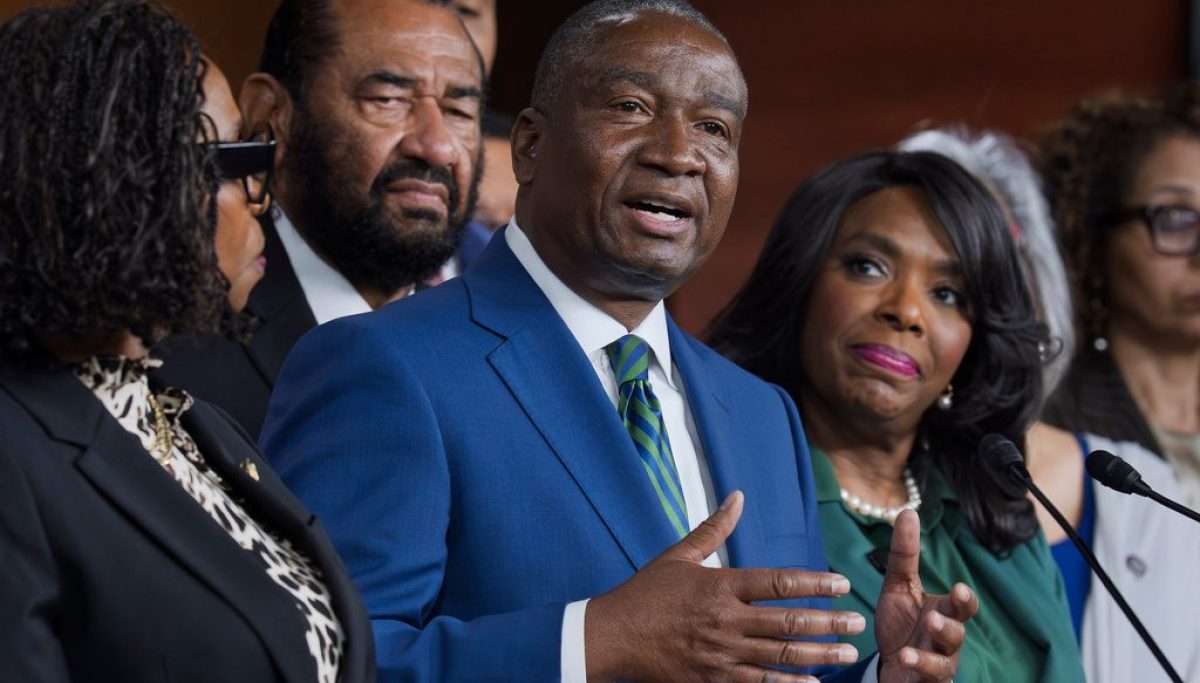
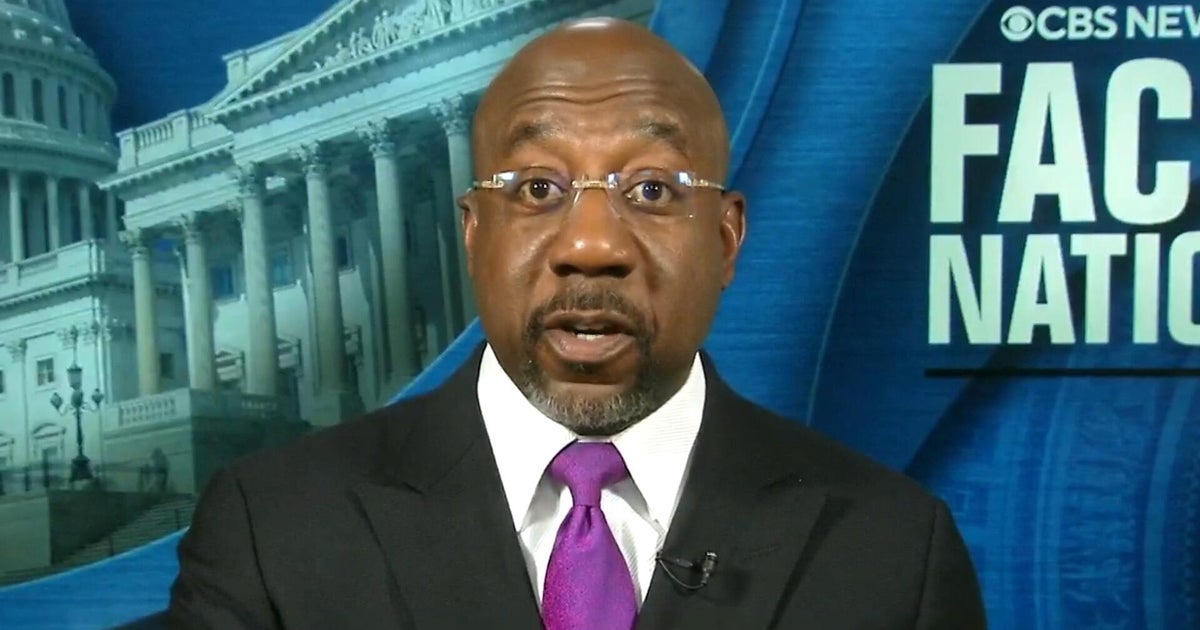
Liberal officials and commentators see something more ominous. Sen. Raphael Warnock called the 6–3 decision “nothing less than a massive and devastating blow, not only to our democracy, but particularly to people of color in the South,” arguing it “ignores our history” of supposedly race‑neutral tools used to suppress Black votes. He later warned the ruling has “poured fuel on this redistricting arms race” as states rush to gerrymander ahead of 2026. A CBS News segment flatly described the ruling as one that “further weakens the Voting Rights Act of 1965” as Alabama and Tennessee “rush” to redraw their districts.
Conservative outlets, while acknowledging the ruling is “one of the most consequential” and will “significantly gut Section 2 of the Voting Rights Act,” tend to center its partisan impact rather than its civil‑rights stakes, noting it will “allow partisan gerrymandering to move forward” and upend maps in states like Louisiana, Tennessee, Mississippi, Florida, and Alabama. Another report highlights a “lose‑lose” dilemma for the Congressional Black Caucus, as aggressive Democratic counter‑gerrymanders in blue states may require diluting some majority‑minority districts to eliminate Republican seats.
The rhetorical gap is widest at the extremes. A liberal commentary likens the conservative court majority and its cheerleaders to “white fascists” celebrating the voiding of “the last piece of the Voting Rights Act,” comparing the power imbalance to “slavery or Jim Crow.” On the right, a separate piece blasts “viral fearmongering,” stressing that the Court did not make it legal to discriminate against Black voters and instead reaffirmed that the Constitution bans intentional racial bias while allowing politically motivated line‑drawing.
Similarities and differences
Across the spectrum, there is grudging agreement that the ruling is transformative and will reshape maps for years. Both sides also implicitly accept that partisan self‑interest—by Republicans in the South and, increasingly, by Democrats in blue states—is driving the new “arms race.”
The differences are stark on democracy and race. Liberal voices cast the decision as a direct continuation of “21st Century Jim Crow tactics” that will dilute Black political power and reduce minority representation. Conservatives counter that race‑based districts themselves are suspect, argue that Black lawmakers can win in diverse, not‑majority‑Black seats, and insist the ruling merely distinguishes racial discrimination from hard‑nosed partisan mapping.
In practice, both parties are now weaponizing the Court’s logic—Republicans to dismantle majority‑minority districts in the South, Democrats to squeeze GOP seats in blue states—raising a blunt question neither side squarely answers: if everyone is gerrymandering harder, who is still left to protect equal representation?