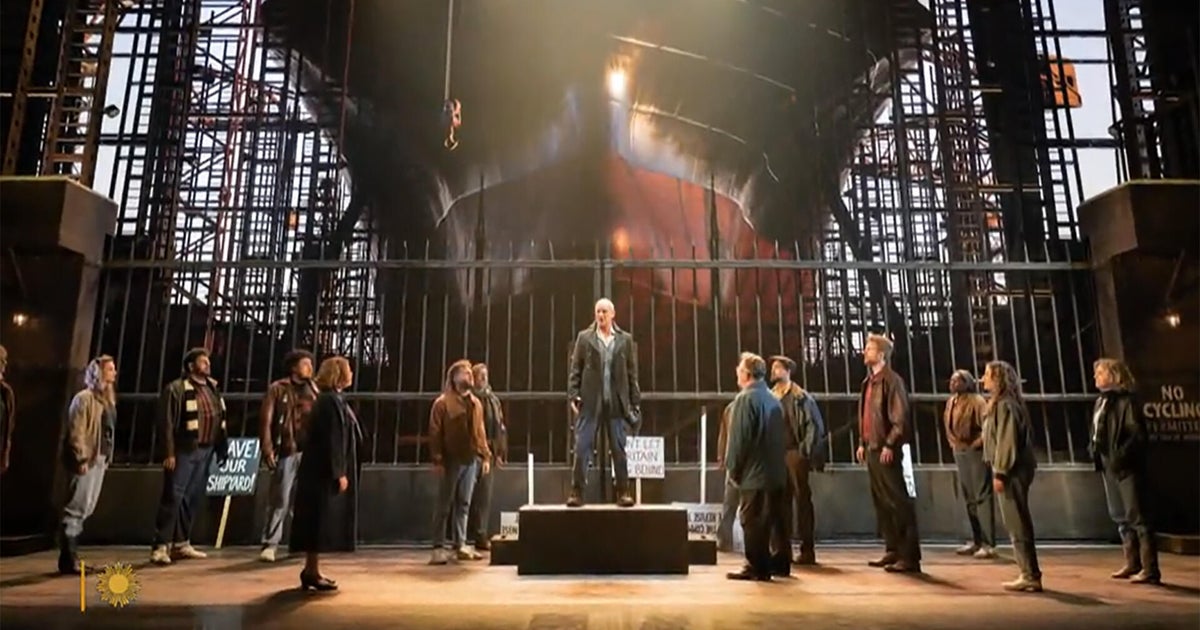
Sting’s musical “The Last Ship” sits at a crossroads of personal elegy and cultural commentary, using Broadway-style storytelling to reframe the industrial collapse of his hometown, Newcastle, for a global audience.
Personal elegy vs. social history
Liberal-leaning coverage centers Sting’s own narrative: the show is described as “an elegy for what Newcastle and its people represented to him growing up,” foregrounding memory and feeling over policy or class analysis. In this view, the closure of the shipyards becomes raw material for an intimate meditation on loss, aging, and identity rather than a pointed critique of deindustrialization.
At the same time, reporting stresses Newcastle’s concrete history as “a hard-scrabble industrial powerhouse that built ships,” and notes that Sting “as a young man witnessed the city's shipbuilding business dry up.” This frames the musical as a bridge between lived working-class experience and art-house audiences who may only know deindustrialization in the abstract.
Art as devotion vs. work as compulsion
Coverage further elevates Sting’s quasi-spiritual approach to performance, highlighting his claim that “music is a church,” and that “uncertainty is a key component of art,” positioning “The Last Ship” as a form of ongoing artistic pilgrimage rather than a nostalgic museum piece.
In contrast, the second piece emphasizes his tireless productivity: he discusses “his long career, and why he can't stop working,” casting the global tour as part of a relentless professional drive. Where one perspective treats the musical as a solemn tribute, the other underscores the brand of Sting Inc., repackaging a local story for international stages.
Similarities and differences
Both accounts agree on the core narrative: a hometown in decline, a superstar returning with a theatrical homage, and a show that doubles as personal catharsis and cultural preservation. They diverge mainly in emphasis—either on art-as-elegy and spiritual practice, or on restless careerism and global commercial reach—leaving open the question of whether “The Last Ship” is primarily a heartfelt requiem or a polished export of industrial nostalgia.
1. Extended interview: Sting — Describes "The Last Ship" as "an elegy for what Newcastle and its people represented to him growing up" and says "music is a church" and "uncertainty is a key component of art."
2. Sting embarks on "The Last Ship" — Portrays Newcastle as "a hard-scrabble industrial powerhouse that built ships" whose business "dried up," and notes Sting's homage to this heritage and his discussion of "why he can't stop working."