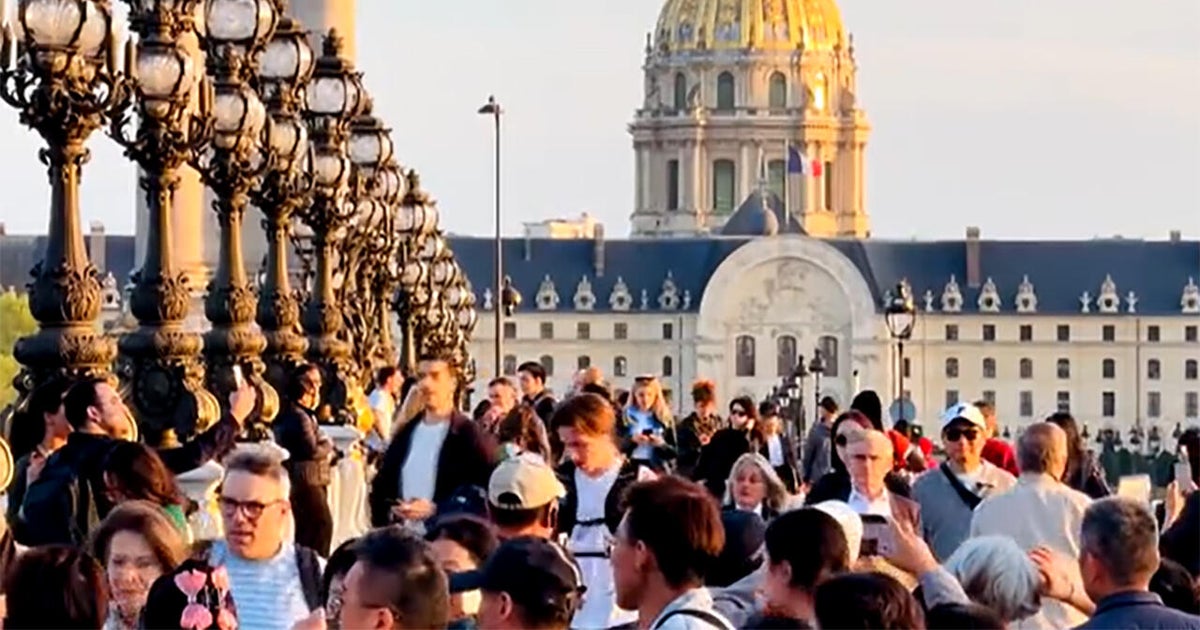
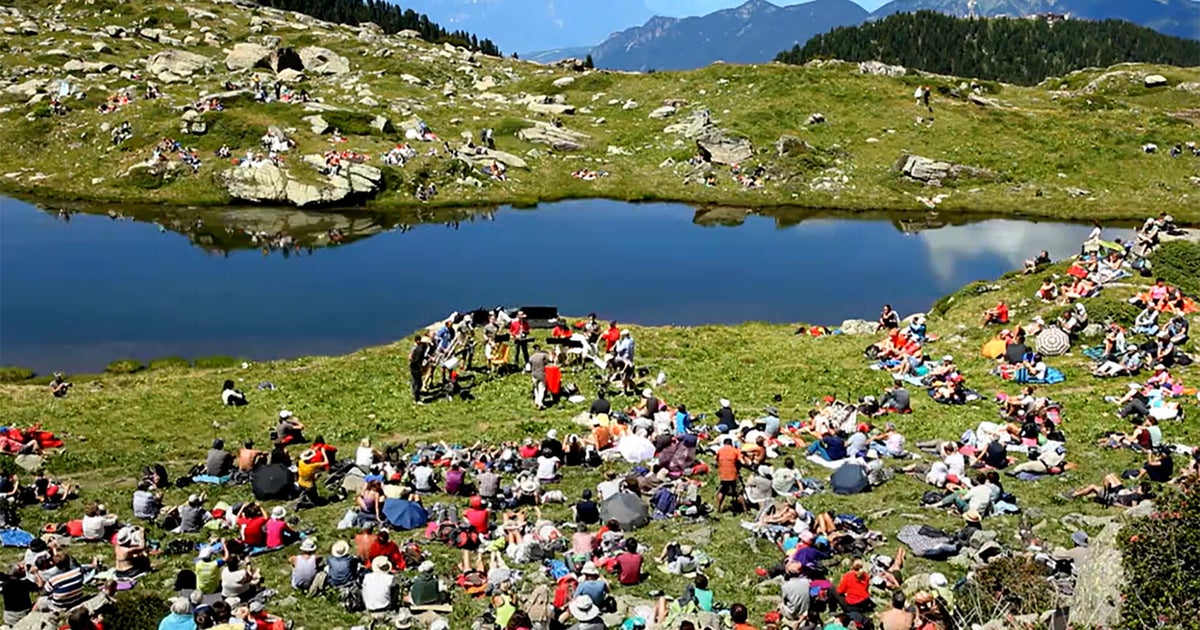
Tourism is both powering economies and provoking backlash, as iconic destinations wrestle with whether a vital industry has become unmanageable “overtourism.”
Economic engine vs. local exhaustion
The liberal-leaning coverage underscores tourism’s outsized role, noting it represents roughly 10% of the global economy, even as many destinations and residents are “reeling from increasing numbers of tourists, spurred in large part by social media.” This framing highlights structural dependence: cities and resorts rely on visitor spending, yet struggle with overcrowding, strained infrastructure, and rising housing costs.
The same sources emphasize how the travel industry and influencers “bombard” and “lure” would-be travelers, while friends’ curated vacation posts hide “the crowds and long lines – the frustrations that can come with vacationing today, or living in a vacation destination.” Here, social media is cast as an accelerant that pushes fragile destinations past a sustainable tipping point.
Residents’ pushback vs. industry adaptation
Reporting from Amsterdam, Paris, Venice, and Portofino focuses on residents who are “resisting visitors – or redefining tourism – in some of the world’s most popular and fragile destinations.” Local communities are portrayed as demanding limits on visitor numbers, stricter regulation of short‑term rentals, and shifts toward slower, more respectful forms of travel.
By contrast, the broader tourism ecosystem—airlines, hotels, cruise lines, and influencers—is depicted as largely growth-driven, with little incentive to show the hidden costs of “Overtourism: Too Much of a Good Thing?” The tension lies between an industry optimized for volume and residents pushing for qualitative, not just quantitative, change.
Similarities and differences
Across the liberal coverage, there is agreement that overtourism is real, harmful to local life, and intensified by social media and aggressive marketing. Where perspectives diverge is in emphasis: some stress the macroeconomic importance of tourism, others foreground everyday frustrations and the right of residents to reclaim their cities. What is largely missing is a robust defense of business-as-usual growth—signaling that the status quo, at least in these accounts, is becoming harder to justify.
1. Overtourism: Too much of a good thing? — "Tourism represents 10% of the global economy. But many travel destinations (and the people who live there) are reeling from increasing numbers of tourists, spurred in large part by social media. Correspondent Seth Doane travels to Amsterdam, Paris, Venice and Portofino..."
2. Overtourism: Too Much of a Good Thing? — "We are bombarded, lured, or both, as hotels, airlines, social media influencers, cruise companies, and our own friends curate, post and tempt us to travel... What's often cropped out are the crowds and long lines – the frustrations that can come with vacationing today, or living in a vacation destination."