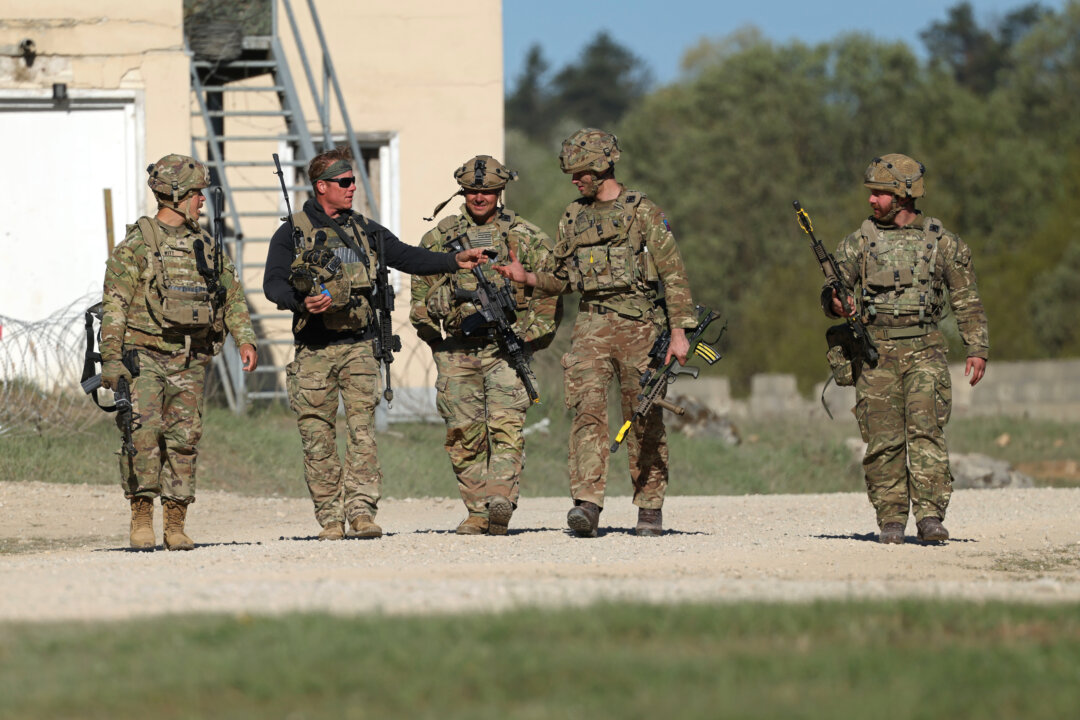
President Donald Trump’s vow to withdraw far more than 5,000 U.S. troops from Germany has exposed a rift not only between Washington and Berlin but also within Trump’s own party, while prompting Europe to talk more openly about a security order without America.
Competing narratives on Trump’s intent
Conservative-leaning outlets emphasize Trump’s framing of the move as a deliberate strategic recalibration after the Iran conflict, highlighting his pledge to cut “far more than 5,000 troops from Germany amid Iran war fallout.” Another account stresses that the United States will cut troop levels “a lot further” than the Pentagon’s already-ordered 5,000-person withdrawal, justified as the result of a “thorough review” of force posture in Europe.
Liberal coverage similarly notes Trump’s promise to reduce forces “a lot further” than 5,000, but is more skeptical of the rationale, tying the decision to Trump’s anger at European allies for not fully backing his campaign against Iran and his simultaneous tariff threats against the EU.
Republican backlash vs. Trump’s hard line
From the right, there is significant intra-party concern. One conservative report describes how “key Republicans push back on [the] drawdown,” warning about “the signal it sends to America’s adversaries.” Another frames the episode as “his own party revolts,” with top Republicans arguing that deeper cuts risk emboldening Vladimir Putin.
Liberal reporting underscores this bipartisan unease, noting that the planned withdrawal faces “bipartisan resistance in Washington,” with Republicans worried it sends the “wrong signal” to Russia as the Ukraine war grinds on.
European recalculation: dependence vs. autonomy
On Europe’s side, conservative coverage stresses that leaders see the “snap decision” as fresh proof they “must go it alone” and take care of their own security. The liberal account adds nuance: Germany’s defense minister calls the drawdown expected but insists that U.S. troops in Europe are “in our interest and in the interest of the U.S.,” portraying the presence as mutually beneficial rather than one-sided dependency.
Similarities and differences
Across the spectrum, there is agreement that the cuts are substantial, exceed initial Pentagon plans, and carry major strategic implications. Both conservative and liberal sources highlight Republican resistance and European alarm. The divide lies in emphasis: conservative narratives stress Trump’s sovereign right to rebalance and Europe’s need to step up, while liberal coverage foregrounds grievance-driven decision-making, risks to NATO deterrence, and the broader pattern of transactional pressure on allies.