The Supreme Court’s decision to accelerate a landmark Louisiana redistricting ruling has turned a technical scheduling move into a proxy fight over election integrity, judicial neutrality, and the future of the Voting Rights Act.
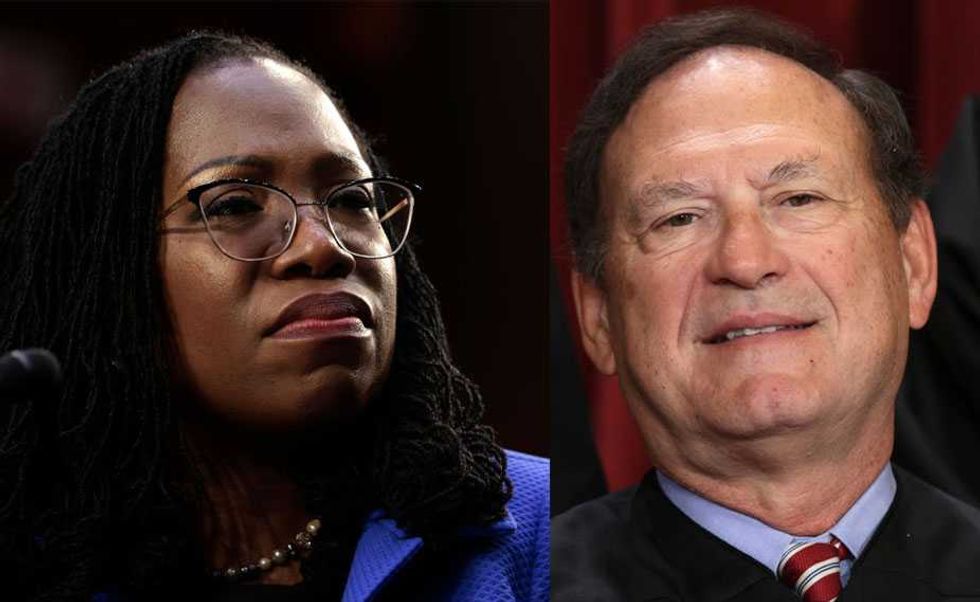
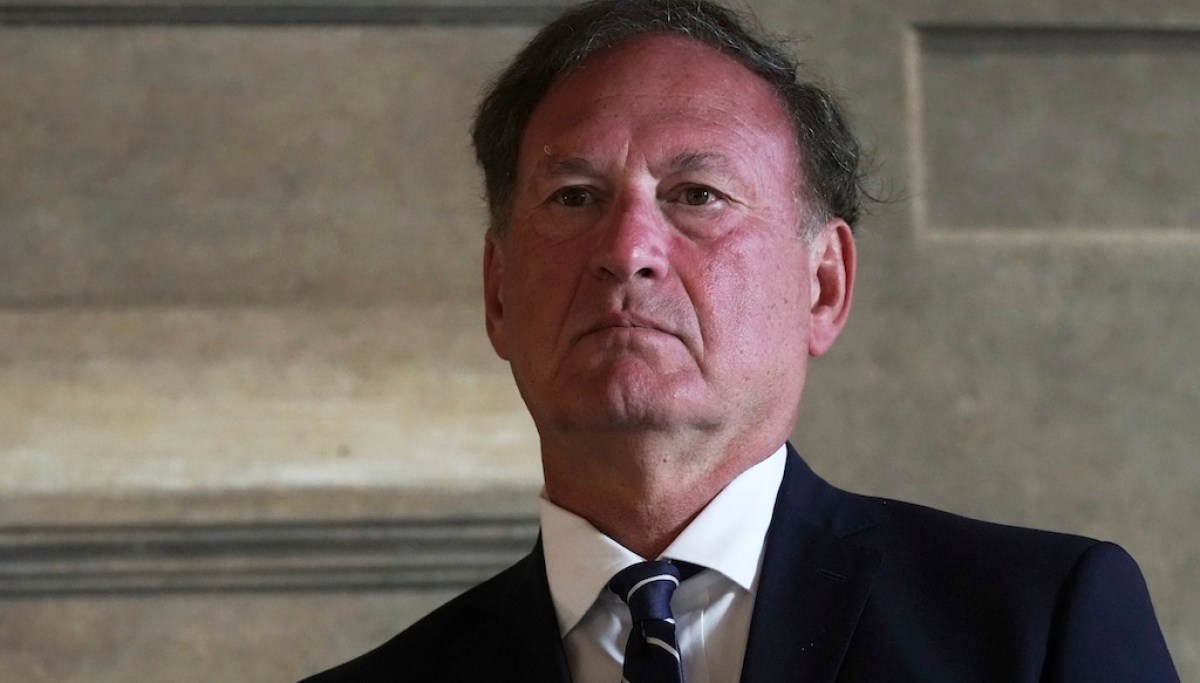
On one side, the conservative legal framing casts the expedited mandate as a necessary correction to an unconstitutional map. The Washington Times stresses that the Court “boosts Louisiana redistricting by speeding final mandate in [a] Voting Rights Act case,” framing the move as a timely assist so the state can redraw its map before elections. The Blaze goes further, celebrating the underlying 6–3 decision in Louisiana v. Callais for providing clarity on “whether compliance with the Voting Rights Act can indeed provide a compelling reason for race-based districting,” and portrays Justice Samuel Alito as “shredding” Justice Ketanji Brown Jackson’s “unhinged dissent.”
From this vantage point, the real danger is letting elections proceed under a map the Court has already found unconstitutional. The Washington Examiner highlights Alito’s complaint that Jackson’s dissent “lacks restraint” and is “baseless and insulting,” emphasizing his argument that her approach “would require that the 2026 congressional elections in Louisiana be held under a map that has been held to be unconstitutional.” Conservative coverage also notes that the new map could net Republicans at least one seat, and treats raised barriers to Voting Rights Act lawsuits as lawful tightening rather than voter suppression.
Liberal-leaning reporting, by contrast, centers the cost to voting rights and institutional legitimacy. CBS News underscores that the Court not only struck down Louisiana’s map but simultaneously made it “more difficult to challenge congressional maps as racially discriminatory,” narrowing Section 2 of the Voting Rights Act. Jackson calls the rush order “unwarranted and unwise,” accusing the majority of spawning “chaos” in Louisiana’s elections and abandoning the Court’s usual reluctance to change rules on the eve of a vote. She warns that the Court’s departure from its own norms risks the “appearance of partiality.”
Even critics from outside the legal world, like director Spike Lee, frame the ruling as an “attack on voters,” reinforcing the liberal narrative that the decision undermines hard-won protections for minority representation.
Similarities and differences
Both sides claim to defend democratic legitimacy—but mean opposite things. Conservatives prioritize immediate compliance with constitutional rulings and decry any delay as election distortion; liberals prioritize stability, anti-discrimination safeguards, and procedural neutrality, and see the Court’s speed and rhetoric as politicized interference. Where one camp sees necessary “clarity,” the other sees an accelerating rollback of federal voting-rights protections, with Louisiana’s map as the latest—and perhaps not the last—battleground.