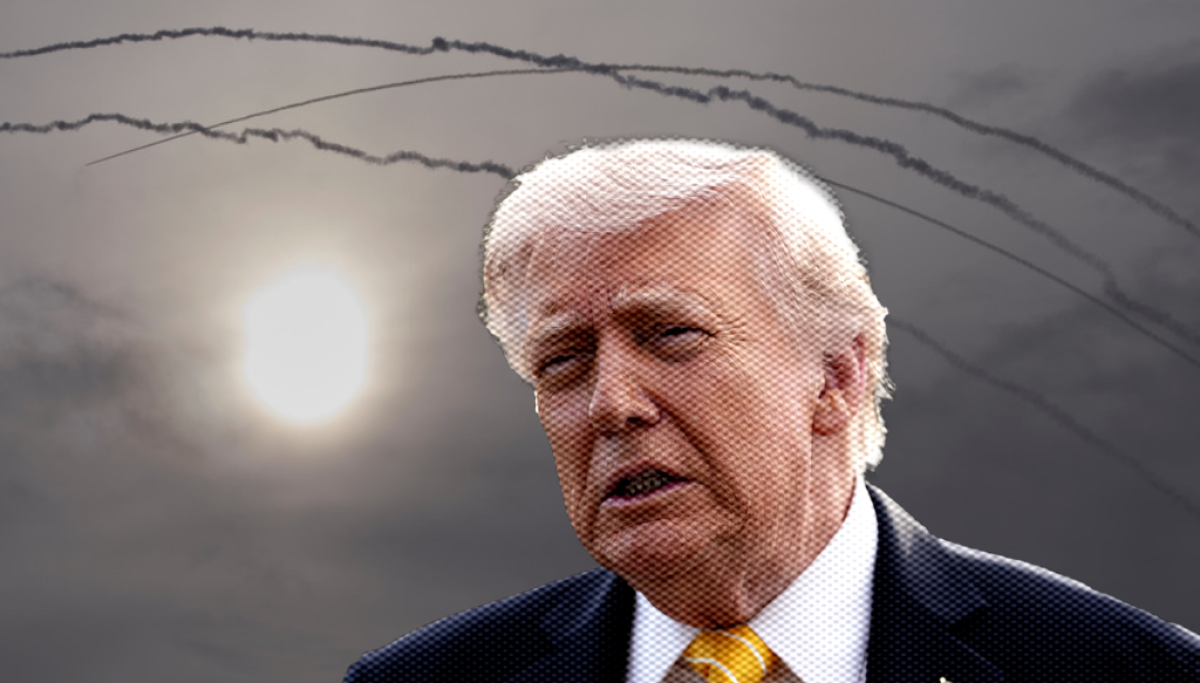
President Trump is portraying the Iran talks as a turning point toward peace even as he ties any agreement to the threat of a dramatically expanded bombing campaign, leaving allies, markets, and critics to debate whether this is hard-nosed diplomacy or dangerous brinkmanship.
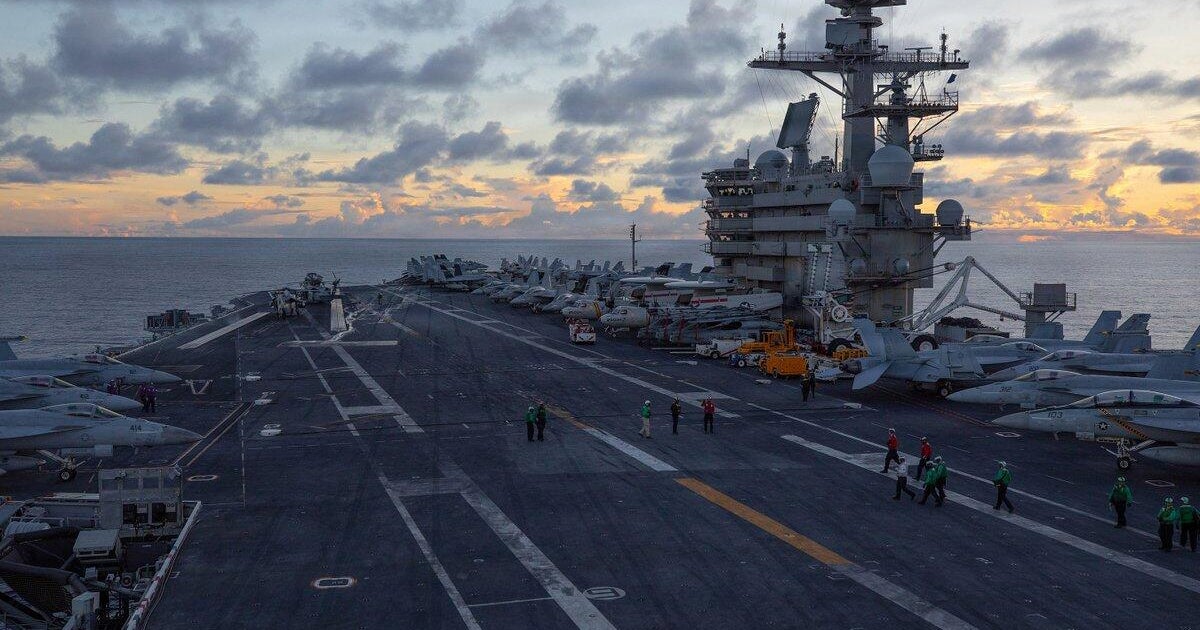
Conservative-leaning outlets frame the moment as a calculated mix of leverage and opportunity. The Washington Examiner highlights Trump’s pledge to “open the Strait of Hormuz to all nations, including Iran” if Tehran accepts the current peace proposal, while warning that “if they don’t agree, the bombing starts” at a “much higher level and intensity.” Fox News similarly describes a president “tentatively making peace with Iran” while keeping “potential future strikes” as bargaining power and noting that in‑person peace ceremonies are “too far” off, with talks to continue “telephonically.” Another Fox report underscores that the U.S. is “locked and loaded” for “much higher” strikes if negotiations fail, even as a fragile ceasefire technically holds.
Conservative economic coverage stresses short‑term benefits. The Washington Times notes that financial markets “cheer signs of a possible U.S.-Iran deal,” with oil prices falling and stocks rising after Trump cited “great progress” toward ending the war. A separate piece encapsulates the administration’s ultimatum: “Accept the terms of an emerging deal or face unprecedented bombing.”
Liberal coverage places greater emphasis on the contradiction between Trump’s optimistic rhetoric and his escalation threats. CBS News’ live updates lead with the president both reporting “great progress” on a peace deal and simultaneously threatening new Iran strikes, while declaring it “too soon for new direct talks.”
Across the spectrum, outlets agree on the basic facts: a tentative framework, a paused but intact blockade, and the promise to reopen Hormuz if a deal is sealed. The divide lies in framing: conservatives depict coercive pressure as effective statecraft, while liberal reporting highlights the risk that tying peace to the prospect of “unprecedented” bombing could collapse diplomacy just as it appears within reach.