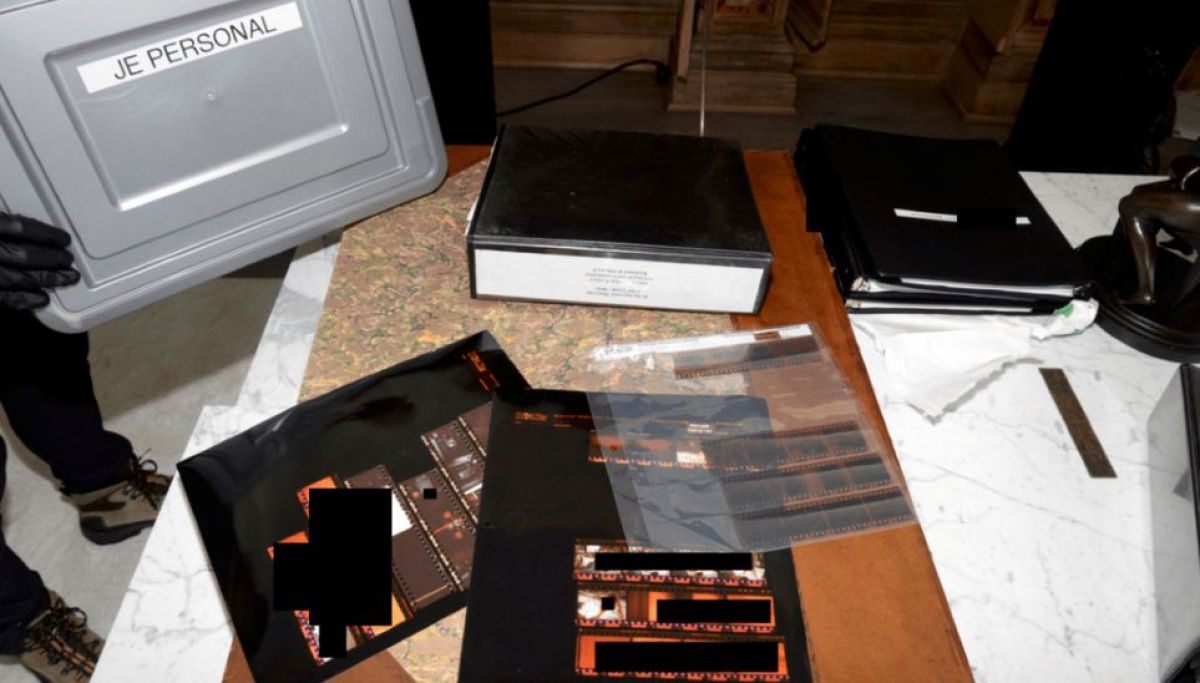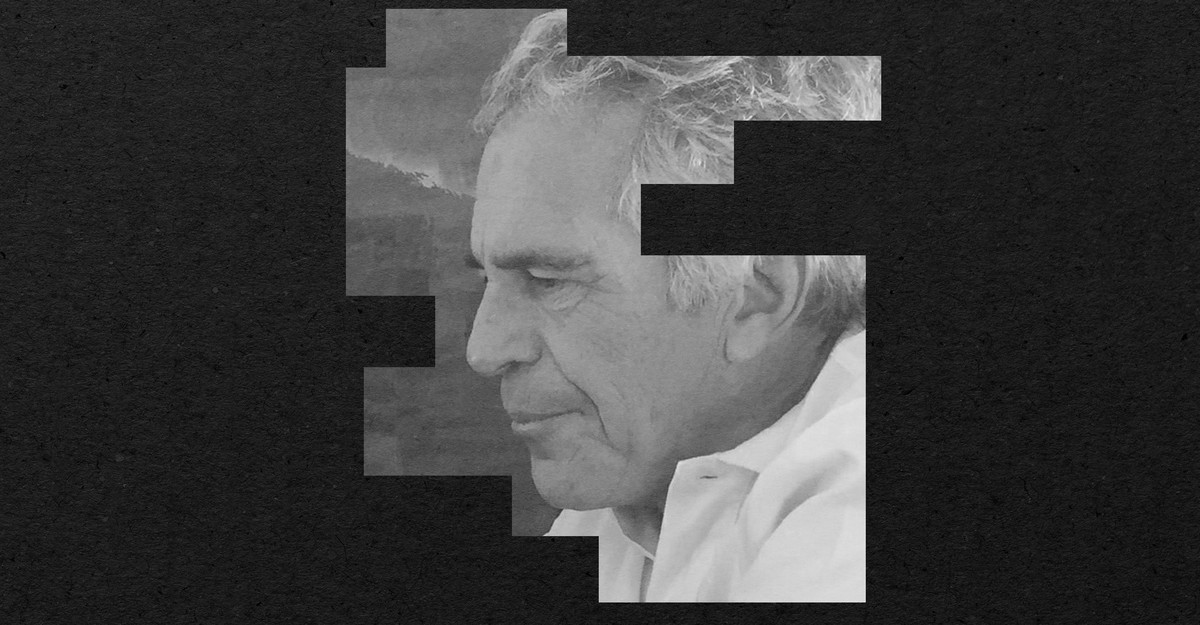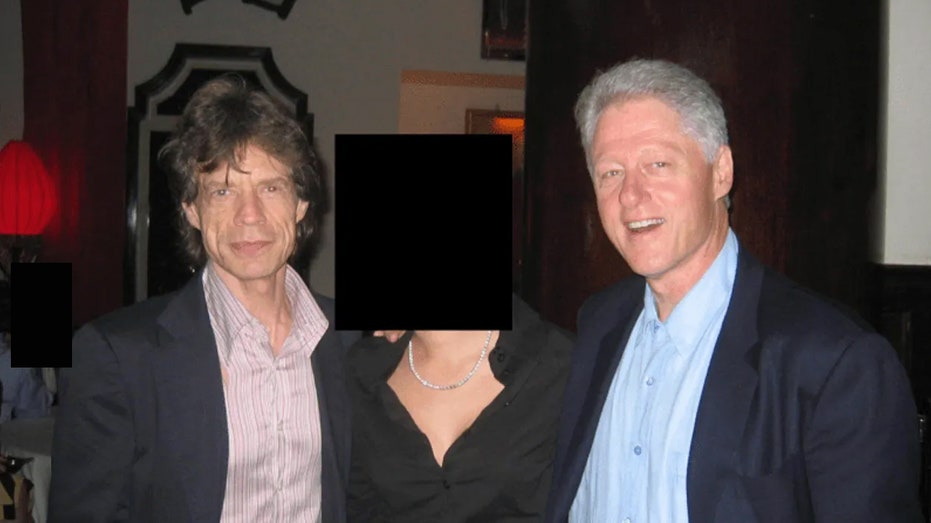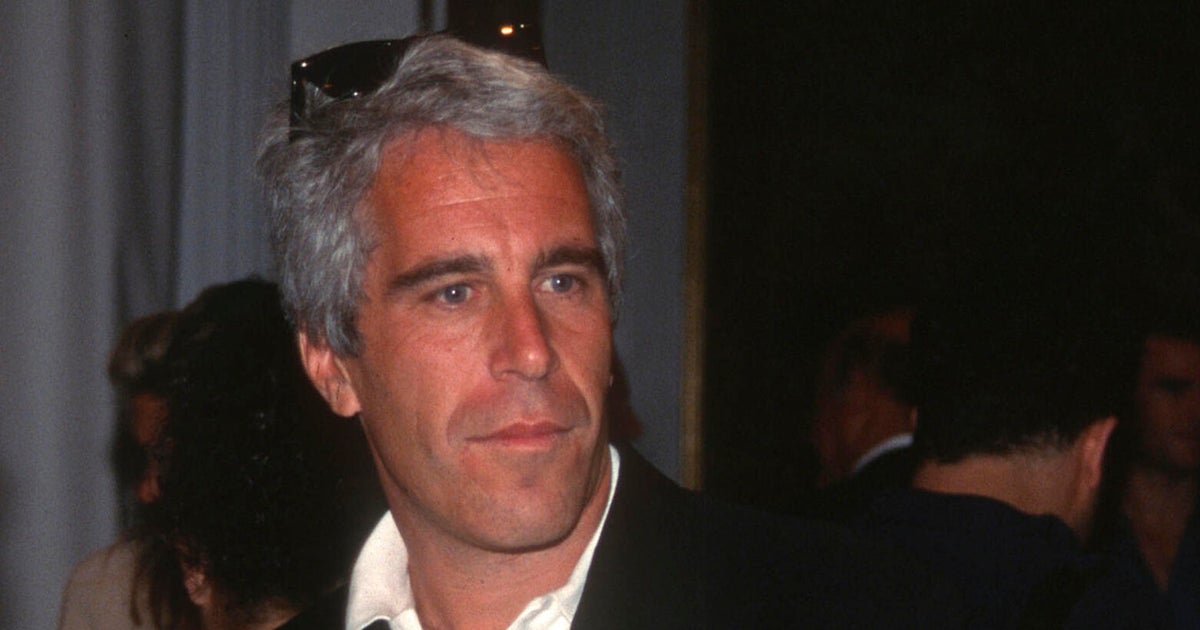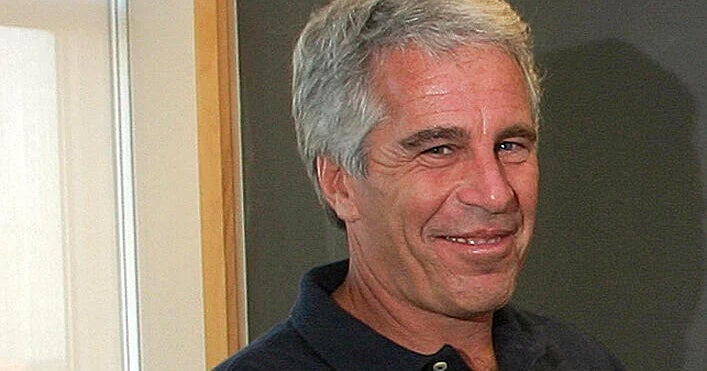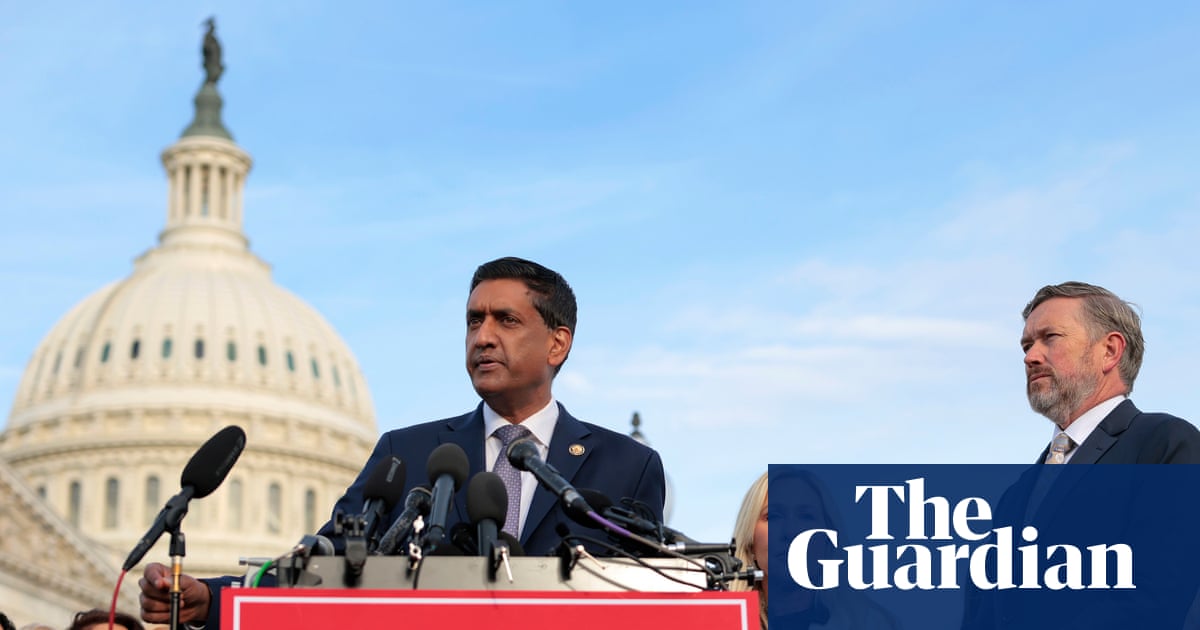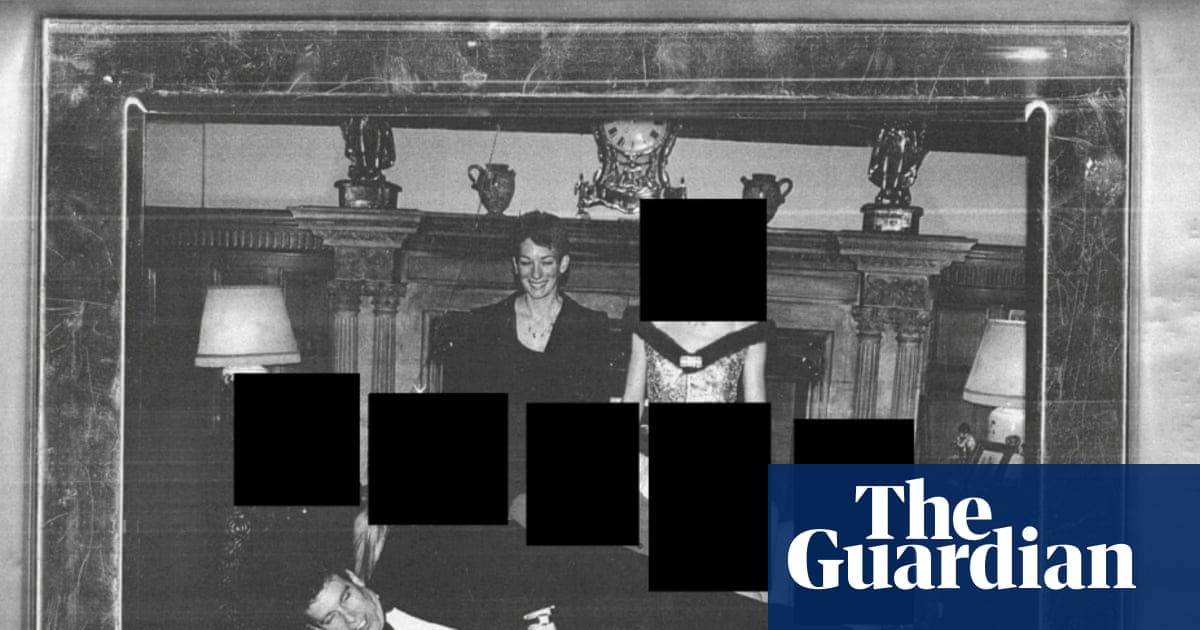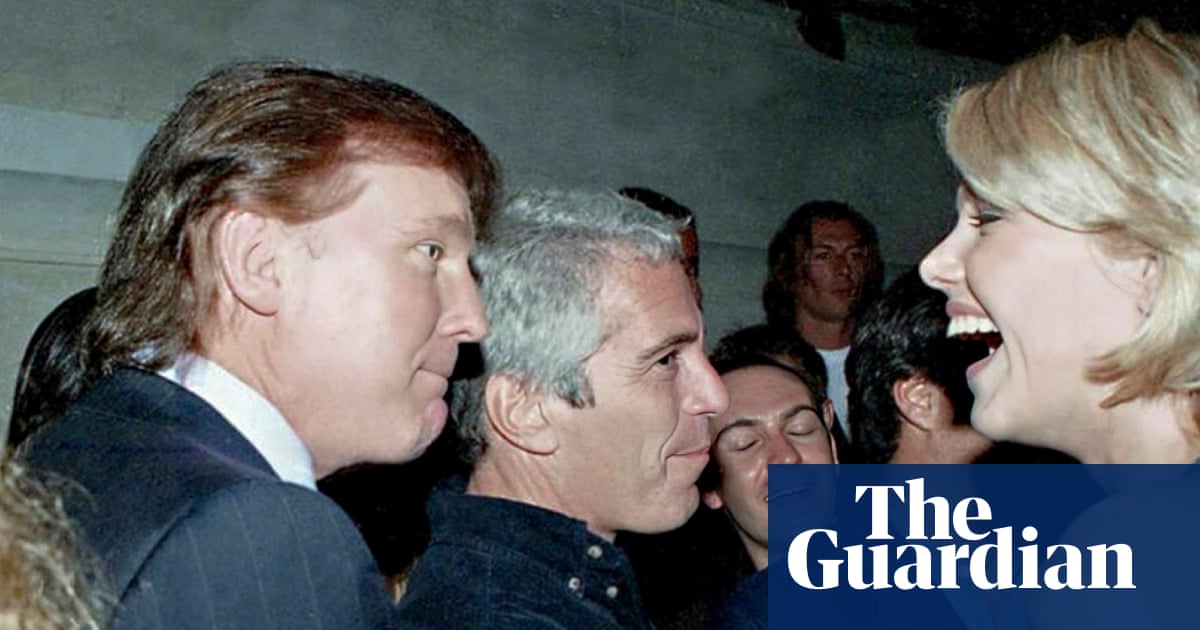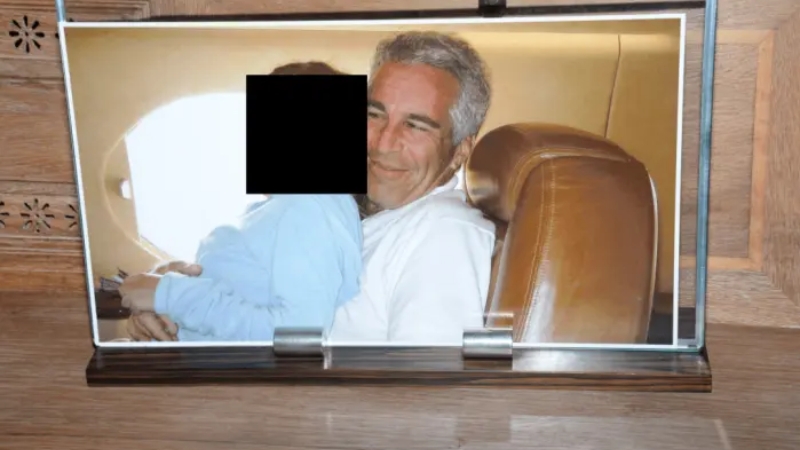








The Justice Department has released thousands of pages of Jeffrey Epstein–related materials, including roughly 3,900 files and photos, under the Epstein Files Transparency Act, but both liberal and conservative outlets report that hundreds of pages are fully blacked out and significant sections are heavily redacted. Coverage across the spectrum notes that at least 15–16 files that initially appeared on the DOJ’s public website, including a photograph featuring Donald Trump alongside Epstein, later disappeared without explanation, fueling bipartisan criticism from members of Congress who say the release may not comply with the spirit or letter of the new transparency law. Outlets on both sides agree that the DOJ defends its redactions as legally required to protect victims, ongoing investigations, and sensitive law-enforcement methods, and that officials promise additional tranches of documents on a rolling basis. Both liberal and conservative reports also highlight that the available files contain extensive photos of Epstein with high-profile figures such as Prince Andrew, Bill Clinton, Kevin Spacey, Mick Jagger, Michael Jackson, and other celebrities, while stressing that mere appearance in photos does not by itself establish criminal wrongdoing.
Across outlets, there is shared context that these disclosures stem from intense public pressure and congressional action following longstanding concerns that Epstein’s powerful connections shielded him from accountability and that his death in custody left major questions unanswered. Liberal and conservative coverage alike situates the release within broader debates over government secrecy, victim confidentiality, and the balance between transparency and due process for uncharged individuals who appear in the materials. Both sides reference the institutional roles of the Justice Department, the White House, and Congress, noting that the Epstein Files Transparency Act was designed to limit executive-branch discretion after years of opaque handling of the case. There is also agreement that victims’ advocates want more complete information but are wary of exposing identifying details, and that any remaining undisclosed or withdrawn files will likely be the focus of further legal and political battles over compliance and accountability.
Areas of disagreement
Nature and motives of the redactions. Liberal-aligned outlets generally frame the redactions and missing files as evidence that the Trump-era Justice Department may be selectively shielding Trump and other politically sensitive figures, pointing to the disappearance of a Trump photo and the timing of Friday releases as signs of a possible political motive. Conservative outlets, while also suspicious of a cover-up, tend to describe the problem more broadly as the government protecting unnamed “associates” of Epstein and entrenched elites rather than focusing primarily on Trump. Liberal coverage leans heavily on Democratic critics and some Republican allies who say the administration is violating the transparency law, whereas conservative coverage foregrounds generalized distrust of the DOJ and permanent bureaucracy, suggesting an institutional impulse to hide the full scope of Epstein’s network.
Political accountability and blame. Liberal sources more explicitly tie the shortcomings of the release to the Trump administration, casting it as part of a larger pattern of opacity and defiance of oversight and emphasizing that the same administration controls what is being redacted or withdrawn. Conservative sources acknowledge that the release is happening under Trump but more often diffuse responsibility to the DOJ as an independent bureaucracy, implying that career officials and longstanding institutional cultures, not Trump specifically, are driving secrecy. Where liberal coverage stresses potential efforts to downplay or bury Trump’s own ties to Epstein, conservative coverage tends to portray Democrats as exploiting the controversy to attack Trump while ignoring that many of their own political allies also appear in the materials.
Emphasis on who is implicated. Liberal reporting highlights that the files feature a web of global elites—royalty, politicians, and celebrities from both parties—while calling attention to the notable absence of Trump’s name in some materials despite prior public reporting of his association with Epstein, suggesting selective disclosure. Conservative reporting more prominently lists figures such as Bill Clinton, British royals, and Hollywood and music-industry stars, underscoring that appearing in photos does not prove wrongdoing and often placing more narrative weight on Clinton and non-Trump public figures. Liberal outlets frame the missing Trump photo and removed files as particularly suspicious in light of this pattern, whereas conservative outlets treat the removed Trump image as one example among many signs that the government is still hiding the full roster of powerful people connected to Epstein.
Assessment of the release’s transparency. Liberal coverage tends to characterize the document dump as a deeply flawed, possibly unlawful implementation of the Epstein Files Transparency Act, emphasizing that fully blacked-out documents and silent removals from the website betray the law’s intent and shortchange victims and the public. Conservative coverage agrees the release is inadequate but frames it more as predictable stonewalling by an untrustworthy justice system, sometimes casting the entire exercise as a managed spectacle that reveals salacious details while concealing the most incriminating information about elites. Liberals generally call for stricter enforcement of the transparency statute and further oversight of this administration’s handling of Epstein files, while conservatives stress the need to root out institutional corruption and demand a more sweeping declassification that could implicate powerful figures across the political spectrum.
In summary, liberal coverage tends to see the redactions, missing files, and rollout strategy as a politically slanted, Trump-era failure of transparency that may be designed to minimize Trump’s exposure while still acknowledging a broader elite-protection problem, while conservative coverage tends to portray the episode as another example of a deeply compromised DOJ and ruling class shielding a wide range of powerful associates—especially Democrats and establishment figures—from full scrutiny.