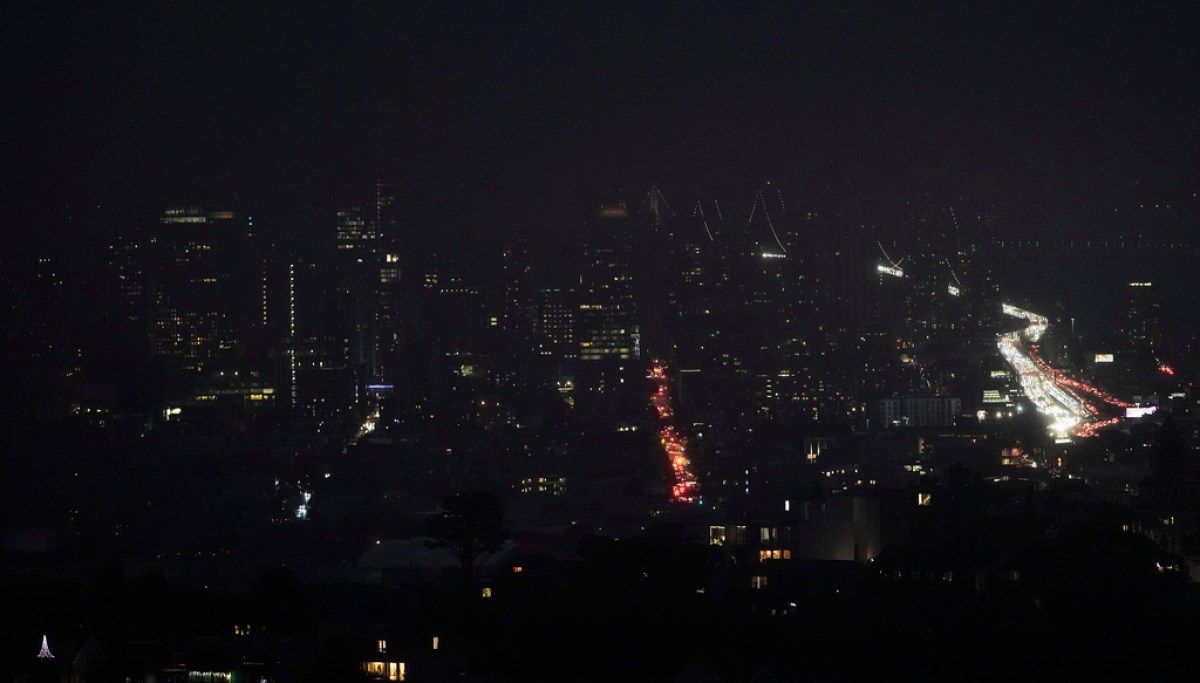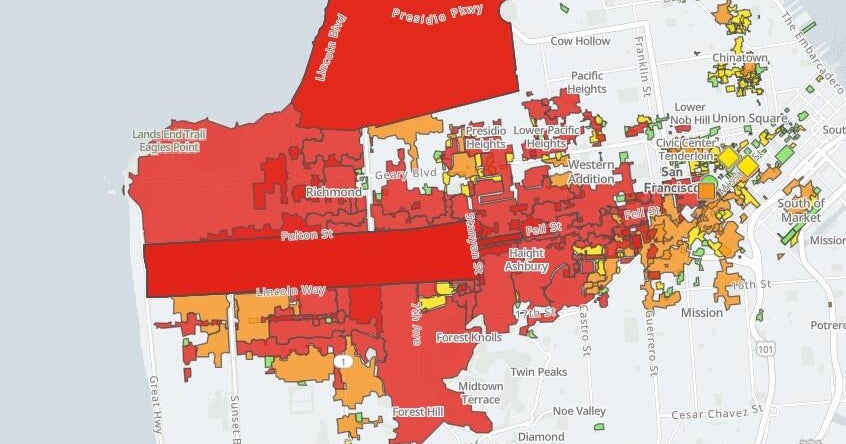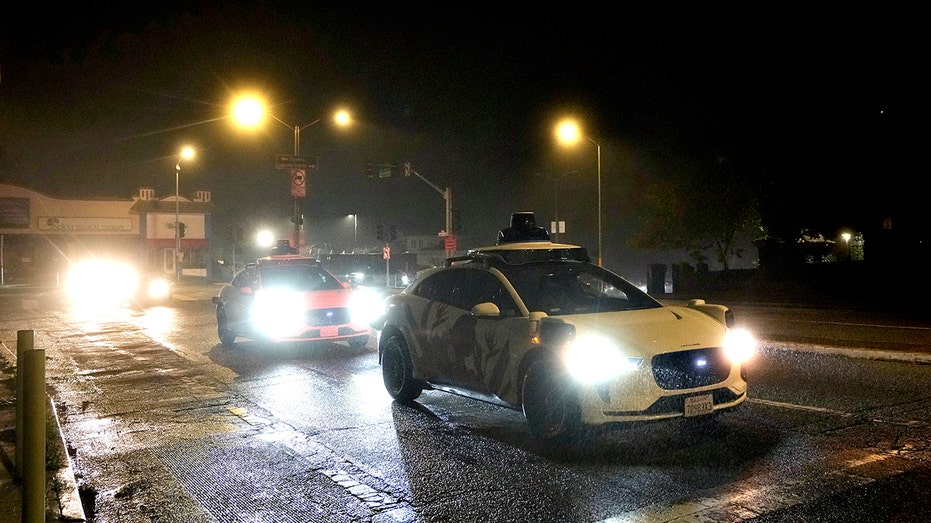





A massive power outage in San Francisco knocked out electricity to roughly 130,000 customers, affecting homes, businesses, and key services starting on a Saturday, just days before Christmas. Both liberal- and conservative-leaning outlets agree that large swaths of the city, notably parts of the north side, went dark, that transportation and public services were disrupted, and that videos showed autonomous vehicles stalled in traffic when signals went out. They also concur that most power was restored by Sunday morning, with a small number of customers still without electricity, and that the blackout caused significant citywide disruption.
Coverage on both sides attributes the outage primarily to a fire at a Pacific Gas and Electric substation, emphasizing how a single-point failure in aging grid infrastructure can cascade into major urban disruption. Liberal and conservative sources alike place the incident in the broader context of San Francisco’s dependence on PG&E, the vulnerability of dense urban power networks to equipment failures, and the emerging complications introduced by autonomous-vehicle services operating on public roads. There is shared acknowledgment that the episode underscores ongoing debates about grid reliability, utility oversight, and how new transportation technologies should be integrated into city infrastructure and emergency planning.
Areas of disagreement
Emphasis and framing of impact. Liberal-aligned outlets center their coverage on the lived experience in the city, highlighting the scale of the outage, on-the-ground chaos, and especially the disruption to high-tech services like robotaxis as emblematic of broader urban infrastructure fragility. Conservative outlets describe similar disruptions but tend to frame them in terms of general order and public inconvenience, with a somewhat more matter-of-fact tone that stresses how quickly most customers were restored. While liberals highlight the event as a systemic stress test for a tech-heavy city, conservatives more often treat it as a serious but contained incident.
Responsibility and underlying causes. Liberal sources implicitly spotlight PG&E’s role by stressing that a substation fire triggered the blackout and situating it within a narrative of long-running concerns about the utility and California’s infrastructure oversight. Conservative coverage also points to the substation fire but leans more toward describing it as an unfortunate operational failure rather than a symbol of regulatory or corporate mismanagement. The liberal framing suggests recurring problems that call for deeper scrutiny of utilities and public regulators, whereas conservatives are less likely to extrapolate this outage into a broader indictment of governance.
Technology and autonomous vehicles. Liberal reporting gives outsized attention to Waymo’s decision to pause its robotaxi service, using images of stalled autonomous cars as a critique of overreliance on unproven automated systems and as an argument for stronger safeguards before wide deployment. Conservative outlets also note that self-driving cars stopped in the street, but they present it more as a dramatic symptom of the outage than as a central policy problem, and sometimes contrast autonomous vehicles with more conventional, human-driven systems that kept operating. In liberal coverage, the outage becomes a case study in the vulnerability of AI-driven mobility, while conservative coverage treats the robots-in-the-dark scenes as a vivid anecdote rather than a core theme.
Policy implications and reform. Liberal-leaning sources more readily connect the blackout to debates over grid modernization, investment in resilient infrastructure, and tighter utility regulation, implying that reforms are needed to prevent similar failures in a major tech hub. Conservative outlets, while acknowledging the seriousness of the disruption, focus more on the speed of restoration and the operational response, offering fewer calls for sweeping policy or regulatory change. For liberals, the event is a springboard for arguing that current systems are inadequate for a high-tech, climate-stressed future, whereas conservatives portray it as a challenging but largely well-managed emergency.
In summary, liberal coverage tends to interpret the San Francisco outage as a systemic warning about fragile infrastructure, corporate accountability, and overconfident tech deployment, while conservative coverage tends to describe it as a significant but mostly well-resolved disruption caused by a substation fire, emphasizing restoration efforts and treating autonomous-vehicle failures as secondary to the core power issue.
Story coverage