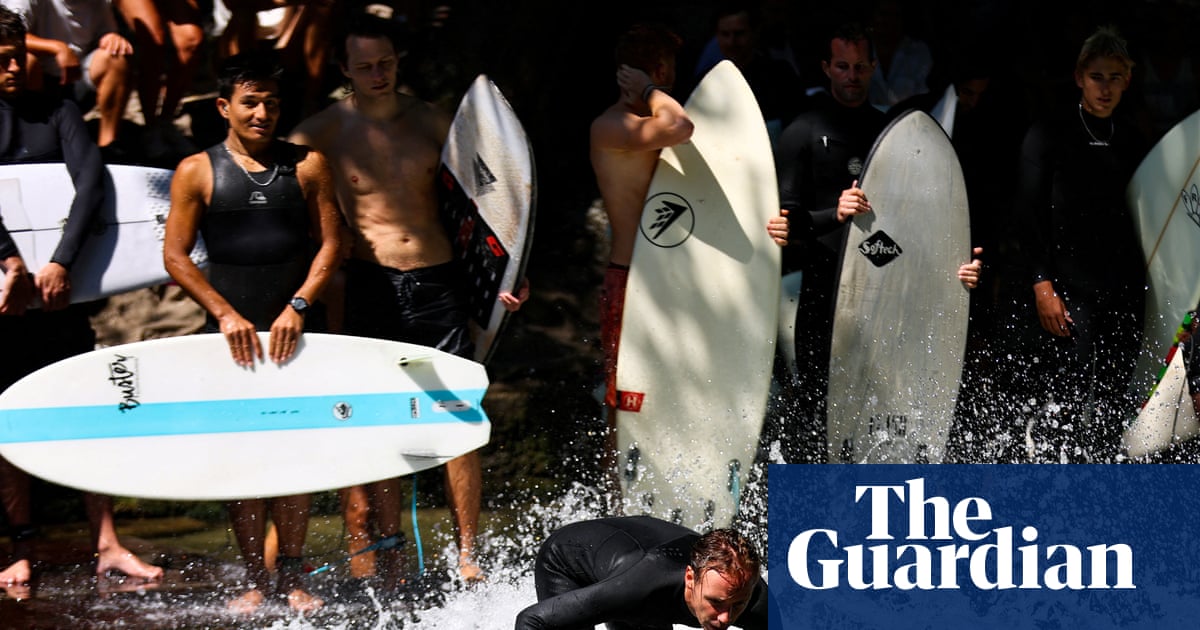
Munich authorities removed a wooden beam that river-surfing activists had secretly installed over Christmas in the Eisbach channel in the English Garden, a well-known urban park surf spot in Munich. Both liberal and conservative outlets agree that the beam was designed to recreate the standing river wave that had disappeared after riverbed cleanup work in October, and that city workers dismantled the makeshift device on Sunday, citing the lack of official authorization. Coverage on both sides notes that the Eisbach wave has been a prominent feature and tourist draw since the 1980s, that the activists included members of the local surfers’ association, and that the removal of the beam has intensified an ongoing dispute between surfers and city officials about the wave’s future.
Across outlets, the shared context emphasizes that the Eisbach wave is both a cultural landmark and a regulated public amenity overseen by municipal and park authorities. Reports from both perspectives note that prior city-approved engineering and safety measures had formalized surfing there over the years, making the abrupt loss of the wave after recent river maintenance work a flashpoint for residents and visitors. Liberal and conservative coverage alike describe a broader debate over how to balance environmental management, safety, and public use of the river with preserving a unique local surfing tradition. They also concur that the current conflict is part of a longer-running discussion about how and when the city will restore an officially sanctioned, technically sound wave at the site.
Areas of disagreement
Responsibility and blame. Liberal-leaning outlets tend to frame the city as slow-moving and overly cautious, emphasizing activists’ claims that authorities have failed to act quickly enough to restore an iconic public space despite community pressure. Conservative-leaning coverage is more inclined to stress that the beam was unauthorized and potentially unsafe, portraying the city’s decision as a reasonable enforcement of rules rather than bureaucratic obstruction. While liberals highlight surfers’ frustration with what they see as municipal inertia, conservatives underscore the duty of officials to control ad hoc modifications to public infrastructure.
Characterization of activists. Liberal sources describe the surfers and local association as committed community stakeholders trying creatively to revive a beloved cultural site, often spotlighting their persistence and grassroots organizing. Conservative sources more often cast the activists as well-intentioned but impulsive, implying that their guerrilla engineering skirts important safety and liability considerations. Where liberal coverage leans into the narrative of citizen initiative being stifled, conservative coverage tends to frame the same actions as an example of why procedures and permits exist.
Framing of public interest and risk. Liberal-leaning reports emphasize the wave’s importance to local identity, tourism, and everyday recreation, casting the continued absence of a surfable wave as a loss to the wider public. Conservative-leaning reports focus more on structural risk and regulatory responsibility, suggesting that the average resident is better served by careful, expert-led restoration than by improvised fixes. The liberal framing thus centers on access and cultural continuity, while the conservative framing foregrounds safety, liability, and respect for orderly governance.
In summary, liberal coverage tends to present the incident as emblematic of sluggish or unresponsive city bureaucracy standing in the way of community-driven efforts to preserve a cherished urban surf spot, while conservative coverage tends to portray it as a necessary assertion of rules and safety standards against unsanctioned interventions in public infrastructure.