


liberal
‘Stay strong, champion’: boxing world offers condolences to Anthony Joshua
Fury and Usyk pay tribute to Sina Ghami and Latif Ayodele
3 months ago
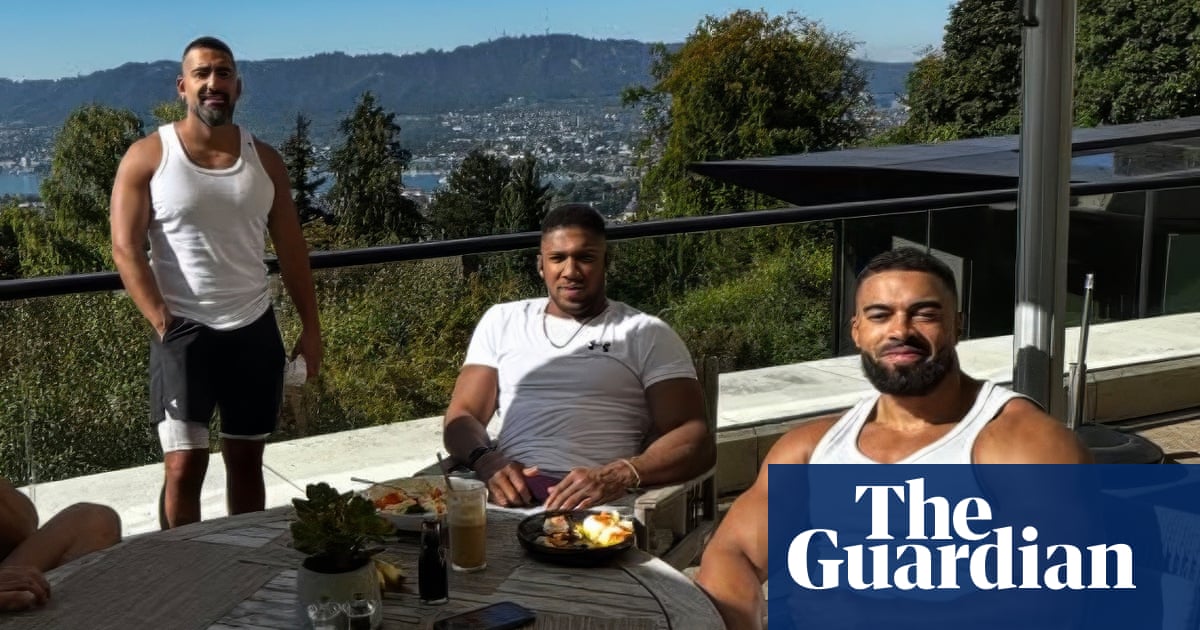
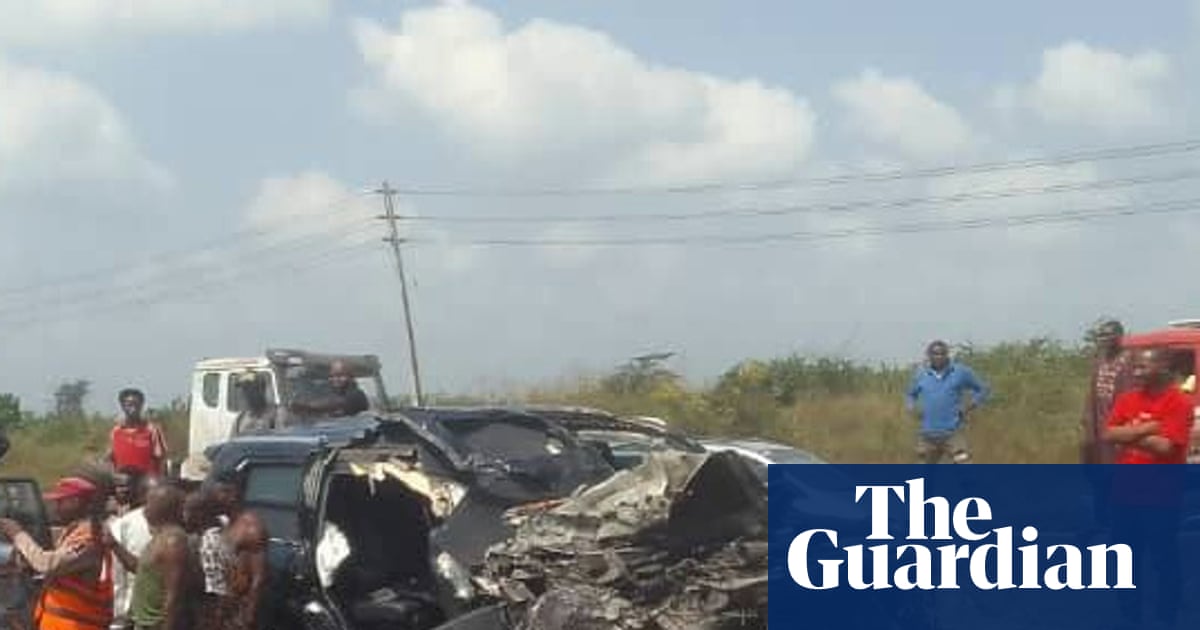
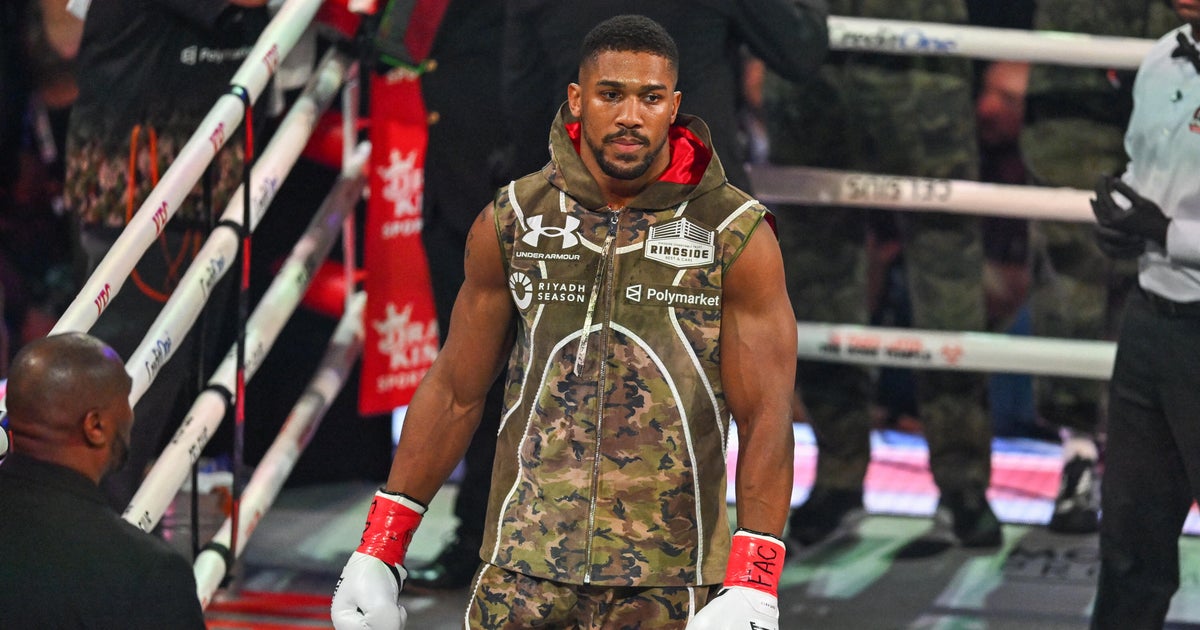
British-Nigerian heavyweight boxer Anthony Joshua was involved in a serious car crash in Nigeria that left him with minor injuries but killed two other occupants of the vehicle, widely identified as his close friends and trainers Sina Ghami and Latif Ayodele. Both liberal and conservative outlets agree the crash happened on a major highway near Lagos (variously described as the Lagos-Ibadan or Ogun–Lagos Expressway), that Joshua was a passenger rather than the driver, that his injuries were not life-threatening and he was conscious and treated in hospital, and that no one in the other, parked vehicle was reported killed. Investigators in both sets of coverage cite preliminary findings pointing to excessive speed and a failed overtaking maneuver before the vehicle struck a stationary truck, with some reports also mentioning a tire failure consistent with loss of control.
Across the spectrum, reports place the incident within the broader context of Joshua’s stature as a former or current heavyweight world champion and a prominent British-Nigerian sports figure, noting that his involvement has drawn global attention to the accident. Both liberal and conservative coverage highlight tributes and condolences from the boxing world, including high-profile figures like Tyson Fury and Oleksandr Usyk, emphasizing the close personal and professional ties between Joshua and the two men who died. Outlets on both sides reference chronic concerns about Nigerian road safety, mentioning high crash rates and inadequate enforcement as a backdrop to the accident, and frame Joshua’s survival and minor injuries as part of a narrative of shock, mourning, and calls for safer infrastructure.
Cause and mechanics of the crash. Liberal-aligned sources generally foreground human factors such as excessive speed and wrongful overtaking as the core causes, keeping mechanical details vague or omitting them entirely. Conservative outlets, while also citing speed and overtaking in some pieces, more prominently feature a specific mechanical failure narrative, describing a tire burst that allegedly led to loss of control and the collision with a parked truck. This leads liberal coverage to treat the crash mainly as a preventable driving and road-safety failure, while conservative reports leave more room for an unforeseeable equipment malfunction contributing to the tragedy.
Emphasis on accountability and road safety. Liberal sources tend to situate the accident within systemic issues of Nigerian traffic enforcement, infrastructure, and driving culture, implicitly raising questions about regulatory responsibility and recurring patterns of highway deaths. Conservative outlets also mention road safety concerns, but they more often frame them in general or human-interest terms, emphasizing the personal loss and Joshua’s recovery rather than detailed policy or institutional critique. As a result, liberal coverage leans toward policy-relevant discussions, whereas conservative reporting is more focused on the incident’s impact on Joshua and his circle.
Portrayal of Joshua and his status. Liberal-aligned reporting often highlights Joshua’s current stature as a leading or reigning heavyweight figure and stresses solidarity within the global boxing community, underscoring the emotional resonance of tributes from rival champions. Conservative outlets more frequently stress his status as a former or three-time world champion and emphasize his Nigerian heritage, aligning the narrative with national pride and the loss of "close associates" who were part of his training team. This produces a liberal framing that stresses global celebrity and shared grief across boxing, contrasted with a conservative framing that underscores Joshua’s legacy and personal entourage.
Details about the victims and relationships. Liberal coverage tends to mention the deceased more generically or with limited detail, sometimes focusing on condolences without fully specifying roles beyond being close to Joshua. Conservative sources more explicitly identify the two who died as close associates, friends, and trainers, occasionally naming Sina Ghami and Latif Ayodele and emphasizing their professional importance in Joshua’s camp. Consequently, liberal outlets frame the deaths principally as tragic casualties in a high-profile crash, while conservative outlets build a more intimate portrait of the victims’ roles in Joshua’s life and career.
In summary, liberal coverage tends to stress systemic road-safety failings, highlight Joshua’s global profile, and foreground policy-relevant causes like speed and overtaking, while conservative coverage tends to emphasize mechanical misfortune, Joshua’s personal loss and heritage, and the intimate roles of the deceased within his inner circle.